
Roof Damage Hidden Behind Drywall or Interior Ceilings
- Understanding Hidden Roof Damage
- Symptoms of Roof Damage Behind Drywall or Ceilings
- How to Spot Hidden Roof Damage in Your Home
- Preventing Roof Damage From Escalating
- Real-Life Case: A Homeowner’s Experience
Understanding Hidden Roof Damage
Roof damage is a serious issue that can impact the integrity of your home, but not all roof damage is visible at first glance. Often, issues like leaks or structural damage can be hidden behind drywall or interior ceilings, making it difficult for homeowners to detect. This type of damage can slowly worsen over time, leading to more severe issues if left unchecked.
The hidden nature of this damage can be particularly concerning because by the time it becomes noticeable, the problem may have been present for months or even years. Without proper inspection, hidden roof damage can lead to mold, mildew, and further structural damage, which will be costly to repair. Therefore, it is crucial to understand the signs and symptoms that indicate you may have roof damage lurking behind your walls or ceilings.
Symptoms of Roof Damage Behind Drywall or Ceilings
Even though roof damage may not always be immediately visible, there are signs you can watch for that could indicate an issue with your roof. Here are some common symptoms of roof damage that may be hidden behind drywall or ceilings:

DRCH | Dean Russell Custom Homes Inc.
Jacksonville BeachDuval CountyFlorida
496 Osceola Ave, Jacksonville Beach, FL 32250, USA
1. Water Stains or Discoloration
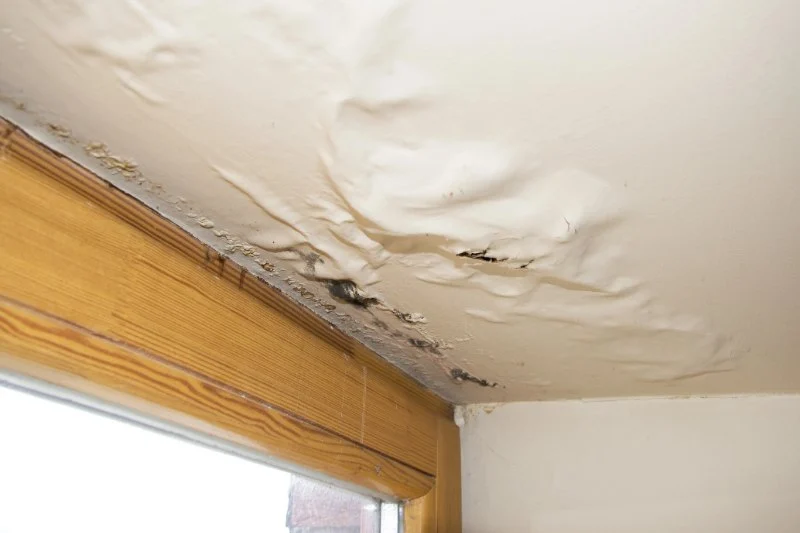
One of the most obvious signs of hidden roof damage is water stains on your ceiling or walls. If you notice brown or yellowish discoloration on your ceilings or walls, it could be a sign of a leaky roof. The water may travel along beams or pipes before seeping through the drywall, which means you might not see the leak directly above the stain.
2. Sagging Ceilings
If the drywall or ceiling in a particular room starts to sag or bulge, it’s a red flag. This could be the result of prolonged exposure to water damage from a leaky roof. If the ceiling becomes excessively saggy, it could eventually lead to structural failure.
3. Musty Odor or Mold Growth
A musty odor in your home is often caused by mold or mildew, which can develop when moisture from a roof leak is trapped inside your walls or ceilings. If you notice an unusual smell or visible mold growth in your home, it may be due to roof damage that’s hidden behind the drywall.
How to Spot Hidden Roof Damage in Your Home
Detecting roof damage hidden behind drywall or ceilings requires a bit of detective work. Here are some methods to help you spot potential issues before they become a bigger problem:
1. Conduct a Visual Roof Inspection
If you can safely access your roof, start by inspecting it for any visible damage. Look for missing shingles, cracks, or signs of wear. While you might not be able to see damage hidden behind your walls, inspecting your roof regularly can help you catch issues early on.
2. Check Your Attic for Signs of Leaks
If you have an attic, inspect it regularly for signs of leaks or moisture. Look for water stains, wet insulation, or mold. These signs can indicate that there is a leak in the roof, even if you can’t see it directly from the inside.
3. Hire a Professional Roof Inspector
The best way to identify hidden roof damage is to hire a professional roof inspector. A qualified roofing professional can conduct a thorough inspection of your roof, attic, and interior ceilings to identify potential issues. They can also use specialized equipment, such as moisture meters, to detect hidden leaks and structural problems.
Preventing Roof Damage From Escalating
Preventing roof damage from worsening requires timely intervention and regular maintenance. Here are some steps you can take to reduce the risk of hidden damage becoming a major issue:
1. Perform Regular Roof Maintenance
Regular roof inspections and maintenance are essential to prevent damage from escalating. Clean your gutters, inspect the roof for missing shingles, and look for signs of wear. Performing these tasks regularly can catch issues early before they cause significant problems inside your home.
2. Repair Leaks Immediately
If you notice any signs of leaks, such as water stains on the ceiling or walls, address the problem immediately. Small leaks can quickly turn into larger, more expensive problems if ignored. Have a professional roof repair service assess and fix leaks as soon as possible to prevent hidden damage from spreading.
3. Insulate Your Attic
Proper attic insulation can help prevent moisture buildup and temperature fluctuations that can lead to roof damage. Ensuring your attic is properly ventilated and insulated will reduce the risk of condensation and water damage, protecting both your roof and your interior spaces.
Real-Life Case: A Homeowner’s Experience
A real-life case highlights the importance of catching hidden roof damage before it causes extensive problems. Sarah, a homeowner in Texas, began noticing water stains on her living room ceiling. At first, she thought it was just a minor issue, but after investigating further, she realized that the damage had been caused by a slow roof leak that had been hiding behind the drywall for months.
Sarah hired a professional roof inspector, who discovered significant damage to the roof’s structure. What started as a small issue turned into a costly repair project that could have been avoided with early detection. Sarah now advises homeowners to conduct regular inspections and address any signs of damage immediately to prevent hidden roof problems from escalating.
Roof damage hidden behind drywall or ceilings can be difficult to detect, but with the right approach and regular inspections, you can prevent costly repairs in the future. By being proactive and seeking professional help when necessary, you can keep your roof in top condition and avoid hidden damage from compromising the integrity of your home. For more expert advice on roof maintenance and repair, visit Total Roofing Hub for reliable roofing services and recommendations.
 Marc Joseph remodeling5.0 (1 reviews)
 PRS Roofing Inc5.0 (9 reviews)
 KAPS CONSTRUCTION4.0 (5 reviews)
 Marshall Exteriors, LLC4.0 (213 reviews)
 S.W.A.T. Roofing & Consulting4.0 (46 reviews)
 MATFI RENOVATIONS LLC5.0 (23 reviews)
 Siding Material Fire Ratings: What’s Required & What to Choose
 Roof Talk: Common Terminology Every Homeowner Should Know
 How Often Should You Replace Your Home's Siding? Expert Tips on Siding Longevity
 The Average Lifespan of Asphalt Shingle Roofs: How Long Do They Last?
 How to Choose a Reliable Roofing Contractor Near You | Top Tips and Questions
 Should I Repair or Replace My Roof? – Expert Guide for U.S. Homeowners