
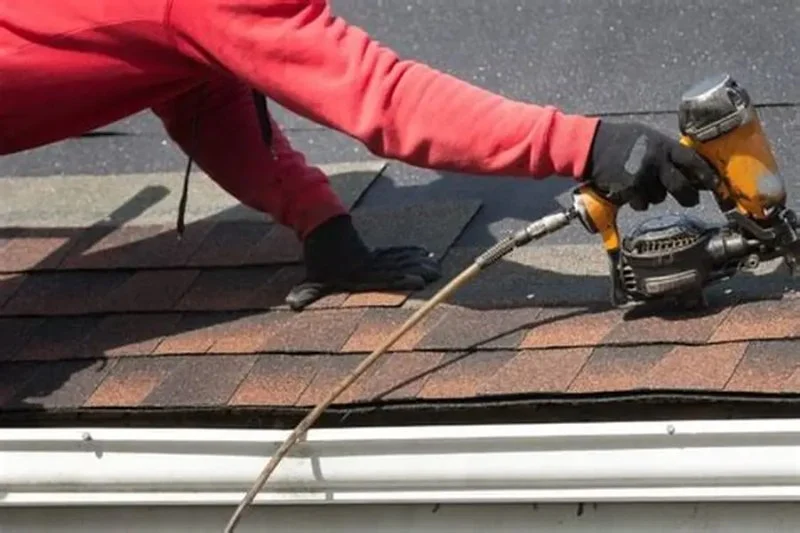
Top 10 Signs Your Roof Needs Immediate Repair
- 1 - Visible Leaks and Water Stains
- 2 - Missing or Damaged Shingles
- 3 - Peeling Paint and Wallpaper
- 4 - Damaged Chimney Flashing
- 5 - Cracked or Buckling Roof
- 6 - Clogged or Damaged Gutters
- 7 - Granules in the Gutter
- 8 - Visible Moss or Algae Growth
- 9 - Excessive Indoor Heat or Humidity
- 10 - Dips and Sags in the Roof
One of the most obvious signs that your roof needs repair is visible water damage inside your home. Water stains on the ceiling or walls often indicate a leak in the roof. If you notice drops of water or wet patches after it rains, it's time to inspect your roof for damage. RidgelandJasper CountySouth Carolina 63 Schinger Ave Unit 104, Ridgeland, SC 29936, USA If you spot water stains or leaks, call a professional roofer immediately. The longer you wait, the more extensive the damage can become, leading to higher repair costs and potential structural issues. SebringHighlands CountyFlorida 5805 Wolf Lake Rd, Sebring, FL 33875, USA Shingles protect your roof from the elements, and when they are missing or damaged, your roof is more vulnerable to leaks and other issues. Inspect your roof after a storm to check for any missing, cracked, or curled shingles. Replacing missing or damaged shingles can prevent water from infiltrating your roof. If you notice several damaged shingles, consider having a roof inspection to determine if more extensive repairs are needed. If you notice peeling paint or wallpaper in your home, especially near the roofline, this can be a sign of excess moisture caused by a leaking roof. This can also lead to mold and mildew growth, which can pose health risks. If you see signs of peeling paint or wallpaper, check for leaks in the attic or ceiling. A professional roofer can help identify the cause and make necessary repairs. The flashing around your chimney is crucial in preventing water from seeping into the roof. If the flashing is damaged or worn out, it can lead to leaks in the roof and chimney area. If you suspect damaged flashing, it’s best to get it inspected and replaced by a roofing professional. Proper flashing installation ensures that your roof is sealed correctly around chimneys and other vulnerable areas. Cracks and buckles in your roof can occur due to age, weather conditions, or poor installation. These issues can compromise the integrity of your roof and may lead to more significant structural damage if left unchecked. If your roof is cracked or buckling, you should schedule an inspection right away. A roofer can assess whether the damage is superficial or if it requires a full replacement. Clogged or damaged gutters can cause water to pool on your roof, leading to leaks and water damage. Gutters are designed to channel water off the roof, so if they aren’t functioning properly, it can contribute to roof deterioration. Clean and inspect your gutters regularly to ensure they are free of debris. If you notice damage, such as cracks or rust, have them repaired or replaced to prevent water damage. If you notice small granules in your gutters, this is a sign that your shingles are deteriorating. Granules are an essential part of the shingle’s protective layer, and losing them can leave your roof exposed to the elements. Granules in the gutters indicate that your roof shingles are losing their protective coating. If this occurs, it’s important to have a roofing expert assess the condition of your shingles and determine if they need replacement. Moss and algae can accumulate on your roof, especially in shaded or damp areas. While this growth may not seem like an immediate threat, over time it can cause damage to shingles, leading to leaks. If you see moss or algae growth, it’s best to have your roof professionally cleaned. A roofing contractor can remove the growth and apply treatments to prevent future infestations. Excessive heat or humidity inside your home, particularly in the attic, can indicate poor ventilation or insulation. This can lead to condensation, which can damage your roof and cause mold growth. Ensure your attic has proper ventilation to regulate temperature and humidity. If necessary, consult a roofing professional to inspect your roof for any issues that could be contributing to excessive indoor moisture. A sagging or dipping roof is a serious sign that your roof may be structurally compromised. This can be caused by water damage, wood rot, or weakened trusses, and it requires immediate attention. If you notice any dips or sagging, it’s crucial to have your roof inspected by a professional right away. A sagging roof can indicate significant damage that needs immediate repair or replacement to prevent further issues. If you suspect your roof is showing signs of damage, it’s important to address the issue as soon as possible. A roofing expert can help assess the condition of your roof and recommend the best course of action. For reliable roofing services and advice, visit Total Roofing Hub for expert guidance on repairs and maintenance.1 - Visible Leaks and Water Stains

Apex Exteriors LLC
1.1 - What to Do
American Roofing Central Inc Licensed & Insured #CCC1333226
2 - Missing or Damaged Shingles
2.1 - What to Do
3 - Peeling Paint and Wallpaper
3.1 - What to Do
4 - Damaged Chimney Flashing
4.1 - What to Do
5 - Cracked or Buckling Roof
5.1 - What to Do
6 - Clogged or Damaged Gutters
6.1 - What to Do
7 - Granules in the Gutter
7.1 - What to Do
8 - Visible Moss or Algae Growth
8.1 - What to Do
9 - Excessive Indoor Heat or Humidity
9.1 - What to Do
10 - Dips and Sags in the Roof
10.1 - What to Do
 Skyline Designs Roofing5.0 (99 reviews)
 Perfect Roofing Installations4.0 (60 reviews)
 Dog Tags Construction LLC4.0 (16 reviews)
 Gutter Shutter of Central Maryland5.0 (9 reviews)
 Sam Cline Handyman Services4.0 (37 reviews)
 Paramount Builders Inc.4.0 (302 reviews)
 Should I Repair or Replace My Roof?
 Top 10 Signs Your Roof Needs Immediate Repair Before It’s Too Late
 The Pros and Cons of Vinyl Siding: Is It the Right Choice for Your Home?
 How to Choose a Reliable Roofing Contractor Near You – Expert Tips
 Top 10 Signs Your Roof Needs Immediate Repair You Shouldn’t Ignore
 How to Spot Hail Damage on Your Roof | Quick Guide for Homeowners