
- 1- Understanding the Impacts of Extreme Climates on Siding
- 2- Types of Siding That Can Withstand Extreme Weather
- 3- How to Repair Siding in Cold Weather
- 4- Protecting Your Siding from Heat and Humidity
- 5- How to Prepare Siding for Snow and Ice
- 6- Choosing the Right Siding Material for Extreme Climates
- 7- When to Call Professionals for Siding Repair
1. Understanding the Impacts of Extreme Climates on Siding
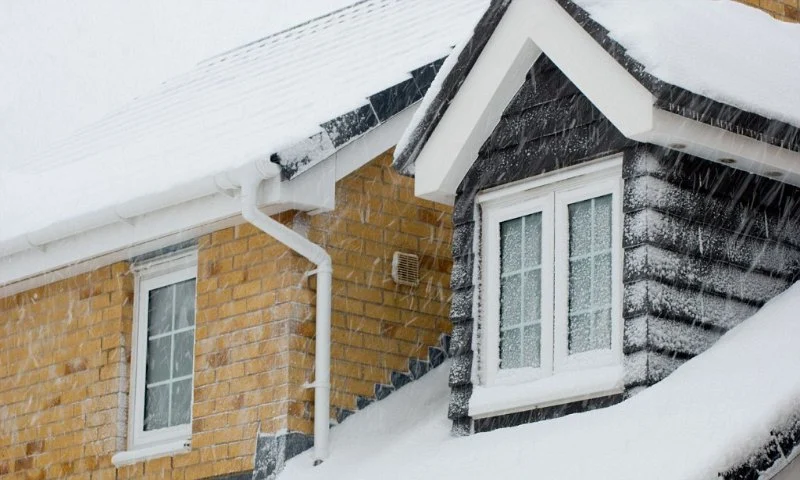
Siding is your home's first line of defense against the elements. Whether you live in a cold, hot, or humid climate, your siding will face the harsh effects of weather patterns throughout the year. Extreme temperatures, snow, ice, and high humidity can cause significant wear and tear on your siding materials. Over time, this can lead to cracks, warping, fading, and other forms of damage.
Understanding how different weather conditions affect your siding is crucial to maintaining its integrity and ensuring it lasts. By taking the right steps in maintaining and repairing your siding, you can prevent extensive damage and keep your home looking great for years to come.
New Hampshire Exteriors
AllenstownMerrimack CountyNew Hampshire
6, 50 Pinewood Rd, Allenstown, NH 03275, USA
2. Types of Siding That Can Withstand Extreme Weather
Not all siding materials are created equal when it comes to durability in extreme climates. Some materials perform better under specific conditions, while others may deteriorate quickly. Here are some siding options that are best suited for extreme climates:

E-Z Roofing & Construction
4199 Crosstowne Ct Ste. 2, Evans, GA 30809, USA
Vinyl Siding
Vinyl siding is one of the most popular options due to its resistance to both heat and cold. It can withstand extreme temperatures without warping or cracking, and it requires minimal maintenance. However, it can fade under intense UV exposure, so it’s important to choose high-quality, UV-resistant vinyl siding for areas with extreme heat.
Fiber Cement Siding
Fiber cement siding is known for its strength and ability to endure in hot, cold, and humid climates. It's resistant to rot, insect damage, and moisture. Fiber cement is a great choice for areas with heavy rainfall or snow because it doesn’t warp or crack easily, even in freezing temperatures.
Wood Siding
While wood siding offers a natural aesthetic, it requires regular maintenance to protect it from the elements. In humid or rainy climates, wood can absorb moisture and warp, leading to mold growth. In dry, hot climates, wood can dry out and crack. For extreme climates, consider applying protective coatings or finishes to prolong the lifespan of wood siding.
Metal Siding
Metal siding, especially steel or aluminum, is highly durable and resistant to extreme weather. It's excellent in areas with heavy snowfall, as it can shed snow easily. Metal siding also holds up well in high heat and is resistant to fading. However, it may be prone to dents and scratches from debris or hail.
3. How to Repair Siding in Cold Weather
Cold weather can cause siding materials like vinyl or wood to contract, making them more susceptible to damage. When repairing siding in cold weather, it's important to consider the following steps:
Inspect for Cracks and Gaps
Cold temperatures can cause cracks in materials like vinyl and wood. Inspect the siding regularly for any gaps, splits, or cracks that could lead to further damage. Small cracks can usually be patched, but larger ones may require a full replacement of the affected panel.
Seal the Gaps
Use caulk or a specialized siding sealant to close any gaps. This will help prevent cold air from entering your home and prevent moisture from getting behind the siding, which can cause freezing and additional damage.
Replace Damaged Panels
If the siding is severely damaged, it may need to be replaced. For vinyl or metal siding, this can be done relatively easily. However, it’s essential to match the new panels with the existing ones for a uniform look and to ensure proper insulation.
4. Protecting Your Siding from Heat and Humidity
Extreme heat and humidity can cause siding materials to warp, crack, or fade. Here’s how you can protect your siding in such conditions:
Keep Siding Clean
In hot and humid climates, mold and mildew can grow on the siding, particularly on wood and vinyl. Regularly wash the siding with water and mild detergent to remove dirt, grime, and any growth. Pressure washing is a quick and effective way to clean large areas, but be cautious not to damage the siding material.
Apply Protective Coatings
For materials like wood, applying a protective sealant can help prevent moisture from seeping in, which can cause swelling or warping. For vinyl and metal siding, UV-resistant coatings can help prevent fading caused by prolonged exposure to the sun’s rays.
Install Shade Structures
To reduce direct exposure to sunlight and heat, consider adding shade structures like awnings, pergolas, or trellises over windows and walls. These structures can help protect your siding from the harsh effects of the sun.
5. How to Prepare Siding for Snow and Ice
In regions with heavy snow and freezing temperatures, snow and ice can cause significant damage to siding if not properly managed. Here's how to prepare:
Keep Gutters and Downspouts Clean
Clogged gutters can cause water to back up and freeze, leading to ice damming. Ensure that your gutters are clean and free of debris so that water can flow freely, preventing ice from accumulating behind the siding.
Insulate Your Home
Proper insulation can prevent heat loss from inside the home, which can help prevent the buildup of ice on the outside. Make sure your attic, walls, and floors are properly insulated to reduce the impact of cold weather on your siding.
Clear Snow and Ice
After a snowfall, remove any snow or ice from around your home’s foundation and siding. This will prevent water from seeping behind the siding and freezing, which can cause cracks and other damage.
6. Choosing the Right Siding Material for Extreme Climates
Choosing the right siding material is critical to ensuring your home is protected from extreme climates. When selecting siding for your home, consider the specific weather conditions in your area. For instance:
- Cold Climates: Fiber cement and metal siding perform well in freezing conditions.
- Hot and Humid Climates: Vinyl siding with UV-resistant coatings or wood with protective sealants can help prevent damage.
- Snow and Ice-Prone Areas: Metal or insulated vinyl siding offers durability and protection against ice buildup.
7. When to Call Professionals for Siding Repair
While DIY repairs can be effective for minor damage, more extensive siding issues often require professional help. If you notice significant damage to your siding, such as large cracks, warping, or signs of water infiltration, it's best to consult with a professional siding contractor. They can assess the damage, provide expert repairs, and ensure that your siding is properly maintained to withstand extreme weather conditions.
For the best siding repair services, visit Total Roofing Hub, where you can find expert contractors, products, and tips to keep your home protected year-round.

 Greenland Construction Services5.0 (52 reviews)
 Roof Pros4.0 (64 reviews)
 Enduren Roofing, LLC4.0 (14 reviews)
 R F Remodeling5.0 (10 reviews)
 Preserve Services4.0 (25 reviews)
 K.H Construction0.0 (0 reviews)
 Roof Safety Tips: Working with Heights, Ladders & Fall Protection
 The Best Roofing Materials for Cold Climates That Protect Your Home
 The Best Roofing Materials for Cold Climates
 Should I Repair or Replace My Roof? Expert Advice on Roof Maintenance
 Pros & Cons of Synthetic Slate or Rubber Roofing
 Roof Material Recycling: Options & Environmental Impact Explained