
- 1. Importance of Roof Safety: Working with Heights, Ladders & Fall Protection
- 2. Basic Roof Safety Guidelines
- 3. Working with Ladders Safely
- 4. Understanding Fall Protection Systems
- 5. Real-Life Examples of Roof Safety Failures
- 6. How to Improve Roof Safety: Tips & Best Practices
1. Importance of Roof Safety: Working with Heights, Ladders & Fall Protection
Roof work is inherently risky, as it involves working at great heights where falls can lead to serious injuries or even fatalities. The importance of roof safety cannot be overstated. Whether you’re a professional roofer or a homeowner attempting DIY repairs, understanding and implementing safety measures is essential for minimizing risks.
Among the most common dangers of roofing work are falls, which account for a significant portion of roofing-related injuries. Proper roof safety practices, including working with ladders correctly and using fall protection systems, can drastically reduce the risk of accidents. In this article, we’ll dive into key roof safety tips, how to work with heights safely, and how fall protection can save lives.

2. Basic Roof Safety Guidelines
Whether you're a professional roofer or a DIY enthusiast, following these basic roof safety guidelines will help ensure your safety when working at heights:
- Wear the Right Gear: Always wear a helmet, non-slip shoes, and protective gear like gloves and knee pads. Roof work can involve sharp edges, tools, and unstable surfaces, so personal protection is essential.
- Inspect Equipment: Before starting any roofing job, inspect your ladders, harnesses, and tools. Ensure that ladders are stable and securely positioned, and that your fall protection equipment is in good working order.
- Know the Weather: Avoid working on the roof during inclement weather, such as rain, snow, or strong winds. Wet surfaces can be slippery, and high winds increase the likelihood of accidents.
- Use Proper Ladder Safety: Always ensure your ladder is placed on solid, level ground. Never lean the ladder too far or overreach when climbing. Maintain three points of contact (two hands and one foot) at all times.
3. Working with Ladders Safely
Ladders are one of the most essential tools in roof work, but they also present serious risks if not used properly. Here are some key ladder safety tips to keep in mind:
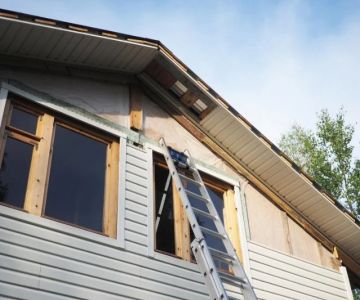
- Choose the Right Ladder: Ensure that the ladder is the right type and height for the job. Extension ladders should extend at least three feet above the roofline for stability when climbing onto the roof.
- Place the Ladder Correctly: Always set up your ladder on a stable surface. The base of the ladder should be one foot away from the wall for every four feet of height. This ensures the ladder’s stability when climbing.
- Climb with Caution: When climbing, keep your body centered between the ladder rails, and avoid carrying tools or materials while climbing. Instead, use a rope to pull items up once you are safely on the roof.
- Don’t Overreach: Never overreach while on a ladder, as this can cause it to tip over. Always reposition the ladder as needed to maintain balance and safety.
4. Understanding Fall Protection Systems
Fall protection is a critical component of roof safety, particularly when working on high or sloped roofs. There are various fall protection systems available that can help prevent serious accidents:
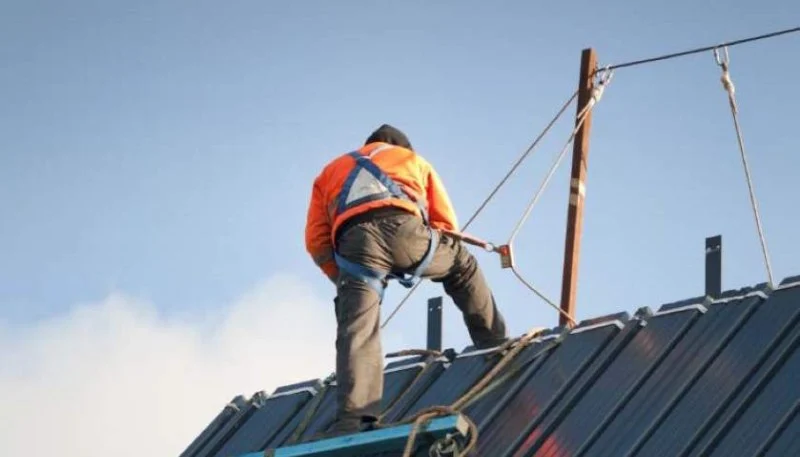
- Personal Fall Arrest Systems (PFAS): PFAS include a full-body harness, a lanyard, and a shock-absorbing system. This system is designed to stop a fall by absorbing the force of the impact, thus reducing injury. It is essential for work on roofs with significant height or steep slopes.
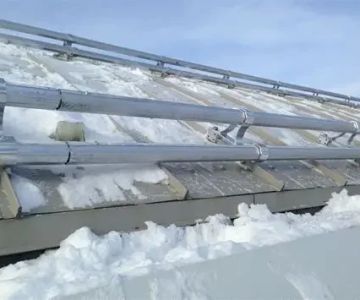
- Guardrails: Installing guardrails around the edge of the roof provides a physical barrier to prevent workers from accidentally falling. This is a passive fall protection system that does not rely on the worker’s actions, making it an ideal solution for certain types of roof work.
- Safety Nets: Safety nets are installed beneath the working area and catch a person if they fall. These are often used in large-scale roofing projects or areas where other types of fall protection may not be feasible.
- Rooftop Anchorage Points: Using proper anchorage points on the roof is key to ensuring that fall protection systems are securely attached. These points should be strong enough to withstand the forces of a fall.
5. Real-Life Examples of Roof Safety Failures
Despite the best safety measures, accidents still occur when roof work is not conducted properly. Here are a few real-life examples of safety failures that highlight the importance of following proper guidelines:
- Accidental Fall from Ladder: A roofing contractor was performing repairs on a steeply sloped roof when the ladder shifted, causing him to fall. The contractor had not secured the ladder properly, and despite wearing a harness, he was not connected to a fall arrest system. The fall resulted in serious injury.
- Unsecured Tools and Equipment: In another case, a worker dropped a heavy tool from the roof, causing damage to the property below and injuring a bystander. The worker did not secure their tools, which could have been prevented with a tool lanyard or proper storage.
- Roof Edge Without Guardrails: A contractor working on a flat roof without proper guardrails accidentally stepped too close to the edge and fell. The lack of safety barriers led to serious consequences that could have been avoided with proper planning and safety equipment.
6. How to Improve Roof Safety: Tips & Best Practices
Improving roof safety involves a combination of proper planning, education, and the use of the right tools. Here are some practical tips to enhance safety during roof work:
- Invest in Proper Training: Ensure that everyone working on the roof is properly trained in safety protocols and emergency procedures. This includes knowing how to use fall protection systems, ladders, and tools safely.
- Regular Inspections: Regularly inspect safety equipment, including ladders, harnesses, and safety nets. Worn or damaged equipment should be replaced immediately to avoid failures.
- Stay Informed: Keep up to date with the latest roofing safety standards and technologies. New products and methods are constantly being developed to enhance safety in roof work.
- Implement Clear Safety Plans: Before starting any roofing project, create a comprehensive safety plan. This should include emergency procedures, the use of fall protection systems, and ensuring that all workers are equipped with the necessary safety gear.
Roof safety is a crucial aspect of any roofing job, whether you're working professionally or tackling a DIY project. By following safety guidelines, using the right equipment, and being aware of common risks, you can significantly reduce the chances of accidents and injuries. For more information on roof safety and the best products for your next project, visit Total Roofing Hub for expert recommendations and advice.
 Marc Joseph remodeling5.0 (1 reviews)
 PRS Roofing Inc5.0 (9 reviews)
 KAPS CONSTRUCTION4.0 (5 reviews)
 Marshall Exteriors, LLC4.0 (213 reviews)
 S.W.A.T. Roofing & Consulting4.0 (46 reviews)
 MATFI RENOVATIONS LLC5.0 (23 reviews)
 Siding Material Fire Ratings: What’s Required & What to Choose
 Roof Talk: Common Terminology Every Homeowner Should Know
 How Often Should You Replace Your Home's Siding? Expert Tips on Siding Longevity
 The Average Lifespan of Asphalt Shingle Roofs: How Long Do They Last?
 How to Choose a Reliable Roofing Contractor Near You | Top Tips and Questions
 Should I Repair or Replace My Roof? – Expert Guide for U.S. Homeowners