
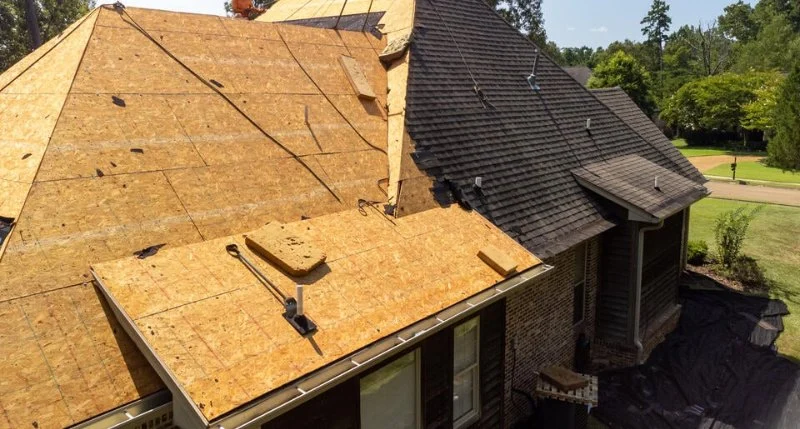
1. Understanding Roof Sheathing and Its Role
Roof sheathing is a critical component of your home’s roof system. It acts as the foundation for your roofing materials, such as shingles, tiles, or metal panels, and helps support the weight of the roof while providing structural integrity. Typically made from plywood or oriented strand board (OSB), roof sheathing is what holds the roofing materials in place and prevents water from penetrating into your home.
After a storm, it's essential to check your roof sheathing for any signs of damage. Even if you don’t notice leaks inside your home, underlying damage to the sheathing can compromise the overall stability of your roof, leading to bigger issues down the road. Understanding what to look for can help you prevent costly repairs and ensure the long-term health of your roof.

2. Why Roof Sheathing Needs to Be Inspected After Storm Damage
After a storm, especially one with high winds, heavy rain, or hail, your roof is at risk of damage. The sheathing is often the first part of the roof structure that is affected by severe weather conditions. While the shingles or other exterior materials might appear intact, the sheathing underneath can sustain damage that may not be immediately visible from the outside.
Inspecting roof sheathing after storm damage is crucial because it helps identify any hidden issues that might not become apparent until later. Delayed detection of damage to the sheathing can lead to further complications, such as leaks, mold growth, and even structural failure if not addressed in time. Here’s why a thorough inspection is important:
Focus On Construction LLC
Cliffside ParkBergen CountyNew Jersey
209 Crescent Ln APT B, Cliffside Park, NJ 07010, USA
2.1. Prevention of Long-Term Water Damage
If your roof sheathing is compromised during a storm, water can infiltrate your roof structure, leading to wood rot, mold growth, and potential damage to your home’s interior. Even a small amount of water penetration can cause long-term damage if left unaddressed. Identifying storm damage early allows you to prevent these costly repairs.
2.2. Structural Integrity and Safety
Roof sheathing provides critical structural support for your roof. If it becomes damaged, it can affect the overall stability of your roof, potentially causing parts of it to collapse or sag. Early inspection ensures that any damage is caught early enough to prevent further weakening of your roof’s integrity.
2.3. Insurance Claims and Financial Protection
Documenting storm damage to your roof sheathing is important for insurance purposes. Insurance companies may require proof of damage to approve claims for repairs. Conducting a thorough inspection and documenting any damage can help you avoid financial surprises later on and ensure that your roof is fully repaired.
3. How to Inspect Roof Sheathing After a Storm
Inspecting roof sheathing may sound like a daunting task, but with the right knowledge, you can effectively identify potential damage. Here’s a step-by-step guide on how to properly inspect roof sheathing after a storm:
3.1. Check for Missing or Damaged Shingles
Start by visually inspecting the outer layer of your roof for any missing, cracked, or curled shingles. While this doesn’t directly impact the sheathing, missing shingles leave the underlying sheathing exposed to the elements, increasing the risk of water infiltration. If you notice any damage to the shingles, it’s a good indication that your sheathing may have been exposed to storm conditions as well.
3.2. Look for Water Stains and Leaks Inside the Home
Water stains on your ceiling or walls inside the home are red flags that water may have penetrated the roof sheathing. Even if you don’t see visible leaks, water stains indicate that moisture has reached the sheathing and could be causing hidden damage. If you see water stains, you’ll want to check the attic or roof space to see if there’s any moisture on the sheathing.
3.3. Inspect the Attic for Visible Signs of Damage
Head to your attic to perform a more detailed inspection of the roof sheathing. Look for any visible signs of water damage, such as dark spots, staining, or mold growth. Pay attention to any sagging or soft spots in the sheathing, as this could indicate that the material has been compromised. If you notice any of these issues, it’s important to address them quickly to prevent further damage.
3.4. Check for Cracks or Warping in the Sheathing
Examine the roof sheathing for any cracks, warping, or visible damage. These signs suggest that the material may have been weakened by the storm. Warped or cracked sheathing is more susceptible to further damage, especially during future storms or heavy rainfall. It’s essential to replace damaged sheathing before it causes additional problems with your roof structure.
3.5. Assess the Roof's Flashing and Seals
Flashing is a crucial part of your roof’s waterproofing system. It’s installed around areas like chimneys, vents, and skylights to prevent water from leaking into the roof structure. After a storm, inspect the flashing for any dents, cracks, or gaps that may have been caused by high winds or debris. Damaged flashing can lead to water penetration, which could compromise the sheathing beneath.
4. Common Signs of Roof Sheathing Damage After a Storm
Roof sheathing can show a variety of signs after storm damage. Some of the most common signs to look for include:
4.1. Soft or Spongy Areas in the Attic
If you notice soft or spongy areas in your attic, this could indicate water damage to the roof sheathing. The wood may have absorbed moisture from the storm, causing it to soften and weaken. These areas need to be inspected and possibly replaced to prevent further damage.
4.2. Visible Mold or Mildew
Mold and mildew thrive in damp, dark environments, making your roof sheathing an ideal place for growth after a storm. If you spot mold or mildew in your attic, it’s a clear indication that water has infiltrated the sheathing, and it may need to be replaced or treated to prevent further growth.
4.3. Dark Streaks or Water Marks on the Sheathing
Dark streaks or water marks on the sheathing are often the result of water seeping through the roof. These marks can indicate that the sheathing has been exposed to prolonged moisture, which can weaken the material and lead to long-term damage. Addressing these issues promptly can prevent mold, rot, and structural instability.
5. How to Fix Roof Sheathing After Storm Damage
If you identify damage to your roof sheathing, it’s important to act quickly to prevent further deterioration. In some cases, minor repairs can be made, but extensive damage may require replacing large sections of sheathing. Here are some general steps to take:
5.1. Call a Professional Roofing Contractor
If you are unsure about the extent of the damage or feel uncomfortable inspecting the sheathing yourself, it’s always best to call a professional roofing contractor. They have the experience and tools needed to assess the damage thoroughly and make the necessary repairs. A qualified contractor can also help you file an insurance claim if necessary.
5.2. Replace Damaged Sections of Sheathing
In cases where the damage is limited to specific areas of the sheathing, it may be possible to replace only those sections. This typically involves removing the damaged sheathing, installing new materials, and securing the roofing materials back in place. If the damage is extensive, the entire roof deck may need to be replaced.
5.3. Apply Waterproofing Sealant
Once repairs are made, applying a waterproofing sealant to the roof sheathing can help prevent future water damage. This extra layer of protection will help seal the sheathing and prevent moisture from penetrating during the next storm.
6. Conclusion: Keep Your Roof Secure After Storm Damage
After a storm, inspecting your roof sheathing is essential to ensure that your home remains protected from water damage and structural issues. By checking for signs of damage, such as water stains, cracks, or warping, you can catch problems early and prevent more serious issues down the line. If you’re not confident in performing the inspection yourself, hiring a professional roofing contractor can help you identify and address any damage quickly.
If you need high-quality roofing products or services, visit Total Roofing Hub for the best options available to ensure your roof stays secure and protected.

 Central Alabama Metal-Roofing3.0 (2 reviews)
 Hometown Roofing Pros5.0 (8 reviews)
 Metro West Contracting Corp.5.0 (1 reviews)
 Best Team Roofing & Exteriors4.0 (58 reviews)
 Chavez Family Roofing4.0 (62 reviews)
 River City Roofing4.0 (13 reviews)
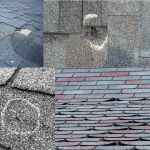 Top 10 Signs Your Roof Needs Immediate Repair – Expert Roof Repair Tips
 The Best Roofing Materials for Cold Climates That Protect Your Home
 What Is an Ice Dam, How It Forms, and How to Prevent It on Your Roof
 Top 10 Signs Your Roof Needs Immediate Repair | Total Roofing Hub
 How Long Do Asphalt Shingles Last? Learn About Their Lifespan
 How to Maintain Your Siding Year Round for Optimal Home Protection