- 1. Why Siding is Important for Tiny Homes
- 2. Popular Siding Materials for Tiny Homes
- 3. Key Considerations for Choosing Siding
- 4. Pros and Cons of Common Siding Options
- 5. How to Maintain Your Siding
- 6. Why Choose Total Roofing Hub for Your Siding Needs
1. Why Siding is Important for Tiny Homes
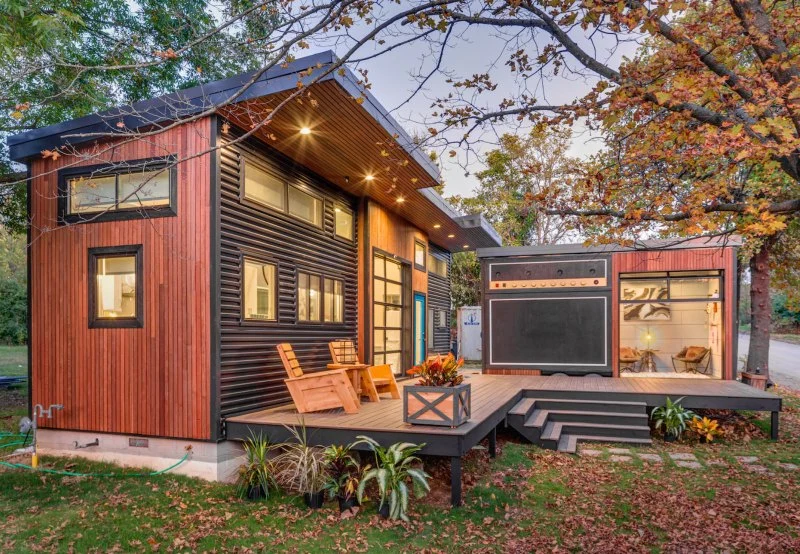
Siding plays a crucial role in the protection, aesthetic, and energy efficiency of tiny homes and small properties. Given the limited space, the choice of siding can impact everything from insulation to curb appeal. Tiny homes often face unique challenges, such as exposure to harsh weather and the need for effective temperature regulation in a compact space. The right siding not only enhances the overall look but also adds durability and value to these small properties.
Moreover, siding helps to protect the structure from the elements, including rain, wind, and UV rays. For tiny homes, which are often on wheels or located in more remote areas, having reliable and long-lasting siding is essential for maintaining the home's integrity over time.
2. Popular Siding Materials for Tiny Homes
When choosing siding for tiny homes, it’s essential to consider factors like weather resistance, durability, weight, and aesthetic appeal. Here are some of the most popular siding materials:
Wood Siding
Wood siding offers a classic and natural look that works well with the rustic charm of tiny homes. It's available in various types, including cedar, pine, and redwood, each with its own distinct appearance and qualities. Wood is an excellent insulator, helping to maintain indoor temperatures. However, it requires regular maintenance to prevent weathering and rot.
Vinyl Siding
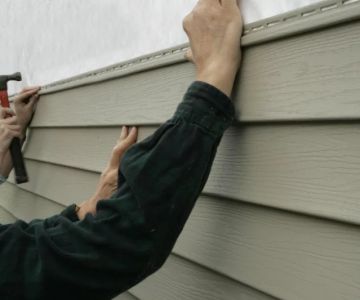
Vinyl siding is one of the most affordable and low-maintenance options for tiny homes. It's durable, weather-resistant, and comes in a wide variety of colors and styles. Vinyl is an excellent choice for homeowners who want a hassle-free option, as it doesn’t require painting and can withstand the elements without warping or cracking. However, it can be prone to fading over time.
Fiber Cement Siding
Fiber cement siding is a highly durable and versatile option for tiny homes. It can mimic the appearance of wood, brick, or stone, offering a range of design possibilities. Fiber cement is resistant to pests, fire, and rot, making it an excellent choice for homes in areas prone to harsh conditions. It is more expensive than vinyl, but its long lifespan and low-maintenance nature can make it a worthwhile investment.
Metal Siding
Metal siding, such as aluminum or steel, provides a sleek, modern look and offers outstanding durability. It's lightweight, easy to install, and requires very little maintenance. Metal siding is resistant to fire, pests, and rot, making it a great option for homes in various climates. However, it can be more expensive than vinyl or wood and may require additional insulation to improve energy efficiency.
3. Key Considerations for Choosing Siding
Choosing the right siding for your tiny home involves considering several factors. Here are some key considerations to keep in mind:
- Climate: The local weather conditions play a big role in the choice of siding. For example, if you live in an area prone to heavy rain or snow, you may want to choose siding that can withstand moisture, like fiber cement or metal.
- Budget: Budget is always an important factor. Vinyl is one of the most affordable options, while wood and fiber cement can be more costly. Consider the long-term cost of maintenance and durability when making your decision.
- Aesthetic Preferences: Siding has a significant impact on the visual appeal of your tiny home. Whether you prefer a natural wood look or a sleek, modern finish, there are siding materials that can match your design vision.
- Maintenance: Consider how much time and effort you're willing to put into maintaining your siding. Vinyl and metal options typically require less upkeep, while wood requires more frequent care to keep it in good condition.
4. Pros and Cons of Common Siding Options
Each siding material comes with its own set of advantages and disadvantages. Below is a breakdown of the pros and cons of some of the most popular options:
Wood Siding
- Pros: Attractive, natural appearance, excellent insulation, and can be customized with paint or stain.
- Cons: Requires regular maintenance, susceptible to rot, insects, and weathering, higher cost than some alternatives.
Vinyl Siding
- Pros: Affordable, low-maintenance, resistant to weathering, and comes in a variety of colors and styles.
- Cons: Can fade over time, not as customizable as wood, can be damaged by extreme impacts (e.g., hail or falling tree branches).
Fiber Cement Siding
- Pros: Extremely durable, resistant to fire, pests, and rot, mimics the appearance of wood, brick, or stone.
- Cons: Higher cost, requires professional installation, heavy compared to other materials.
Metal Siding
- Pros: Modern, sleek appearance, resistant to fire, pests, and rot, long-lasting with minimal maintenance.
- Cons: Higher initial cost, may require additional insulation for energy efficiency, can dent or scratch.
5. How to Maintain Your Siding
Proper maintenance is essential for prolonging the life of your siding and keeping your tiny home in top condition. Here's a basic guide to maintaining the most common types of siding:
- Wood Siding: Clean regularly with soap and water, inspect for signs of rot or insect damage, and repaint or reseal every 3-5 years.
- Vinyl Siding: Wash with a hose or pressure washer to remove dirt and grime, check for cracks or warping, and avoid harsh chemicals.
- Fiber Cement Siding: Clean with a soft brush and mild detergent, check for cracks or chips, and repaint as needed.
- Metal Siding: Wash with soap and water to remove dirt and debris, inspect for dents or rust, and apply a protective coating if necessary.
6. Why Choose Total Roofing Hub for Your Siding Needs
When it comes to finding the best siding materials for tiny homes and small properties, Total Roofing Hub is your trusted resource. We offer a wide range of high-quality siding options, from affordable vinyl to durable fiber cement and stylish wood choices. Our expert team can help you choose the perfect siding to match your needs, budget, and aesthetic preferences. With fast shipping and customer-focused service, Total Roofing Hub is here to help you create the ideal exterior for your tiny home or small property.
Visit Total Roofing Hub today to browse our selection of siding materials and get expert advice on your next project!
 Roofing Contractor0.0 (0 reviews)
 Georgia Roof & Building Panels5.0 (4 reviews)
 Power Roofing & Siding Bronx5.0 (24 reviews)
 WL Pro Construction Inc5.0 (8 reviews)
 Advantage Contracting, LLC.5.0 (4 reviews)
 Amish Country Roofing4.0 (75 reviews)
 How to Properly Seal Roof Valleys to Avoid Leaks
 What to Expect During a Roof Inspection: A Homeowner's Guide
 What to Expect During a Roof Inspection with a Pro: A Comprehensive Guide
 The Environmental Benefits of a Cool Roof: Why You Should Consider Installing One
 The Pros and Cons of Vinyl Siding: Is It the Right Choice for Your Home?
 How to Maintain Your Siding Year Round: Essential Tips for Longevity