1. Understanding Black Streaks on Your Roof or Siding
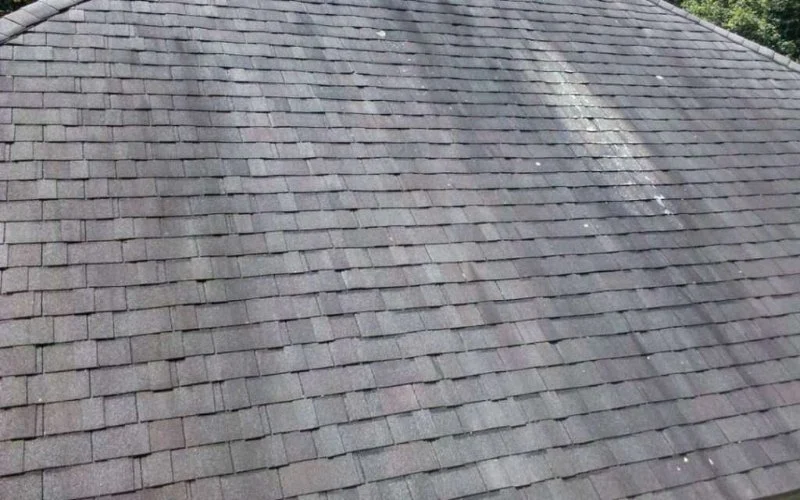
If you've noticed black streaks on your roof or siding, you're not alone. This common issue affects many homeowners and can be both unsightly and worrying. These streaks are often caused by a variety of factors, including algae growth, mold, or even pollution. While they might seem like a minor cosmetic issue, black streaks can indicate underlying problems that could affect the long-term health of your roof or siding. In this article, we’ll explore the causes of black streaks, how to clean them, and most importantly, how to prevent them from reoccurring.
Bellari Home Remodeling
BranchburgSomerset CountyNew Jersey
20 County Line Rd, Branchburg, NJ 08876, USA
2. Common Causes of Black Streaks on Roofs and Siding
Understanding the root causes of black streaks is essential in preventing future issues. Here are the most common causes of these unsightly marks:
2.1 Algae Growth
One of the most common culprits behind black streaks on roofs is algae growth. Specifically, a type of algae called Gloeocapsa Magma thrives in humid environments and feeds off the limestone in shingles, which causes the black streaks to form. Algae growth is particularly prevalent in areas with high moisture levels, such as regions that experience frequent rainfall or high humidity. Over time, the algae can spread, causing more streaking and discoloration.
2.2 Mold or Mildew
In addition to algae, mold or mildew can also contribute to black streaks. These fungi grow in damp conditions and can be especially problematic in shaded areas of your roof or siding where moisture lingers. Mold and mildew thrive in the dark, wet environments found in gutters, valleys, or around vents, making them prime spots for the development of black streaks.
2.3 Pollution and Environmental Factors
Airborne pollutants, dirt, and even soot from nearby sources, such as car exhaust or industrial areas, can settle on your roof or siding and create black streaks. While these streaks might not be caused by living organisms like algae or mold, they can still accumulate over time and give your home an unsightly appearance. In urban areas with high pollution levels, this can be a significant factor in the appearance of your exterior surfaces.
3. How to Remove Black Streaks from Your Roof or Siding
Removing black streaks requires a careful approach to ensure you don’t damage your roof or siding. Here are some steps to take for cleaning your roof or siding safely and effectively:
3.1 Use a Specialized Cleaner
To effectively remove black streaks caused by algae or mold, you’ll need a cleaning solution designed to tackle these issues. Many homeowners use a mixture of water and chlorine bleach or a store-bought cleaner specifically formulated for roofs. Be sure to follow the manufacturer’s instructions on the label to ensure safe use. There are also environmentally friendly cleaners available for those concerned about the impact on surrounding plants and wildlife.
3.2 Gently Scrub the Affected Areas
After applying the cleaner, gently scrub the affected areas with a soft-bristle brush to lift off the streaks. Avoid using a hard-bristled brush or excessive force, as this could damage the shingles or siding. It’s important to work in small sections and rinse thoroughly after scrubbing to ensure all debris and cleaning solution are removed.
3.3 Pressure Washing
For larger areas with persistent streaks, pressure washing can be an effective option. However, pressure washing must be done carefully, as high water pressure can damage roof shingles or siding. Set the pressure washer to a low setting and keep the nozzle at least 12 inches away from the surface to prevent any harm. Also, use a wide spray pattern to avoid concentrating the force in one spot.
4. Preventing Future Black Streaks on Your Roof or Siding
After cleaning your roof or siding, the last thing you want is for black streaks to return. Here are some preventive measures to help you keep your home looking clean and pristine:
4.1 Install Algae-Resistant Roofing Materials
If you live in an area prone to algae growth, consider installing algae-resistant roofing materials. Many modern shingles are coated with copper or zinc particles that prevent algae from growing, reducing the likelihood of streaks forming in the future. If you're replacing your roof, be sure to ask your roofing contractor about algae-resistant options.
4.2 Clean Your Roof and Siding Regularly
Regular maintenance is key to preventing the build-up of algae, mold, and pollution. Schedule annual or biannual cleanings to remove debris and dirt that can contribute to streak formation. Keeping gutters clean and ensuring that your roof is well-ventilated will also help prevent moisture from lingering, which can encourage the growth of algae and mold.
4.3 Trim Trees and Shrubs
Overhanging trees and dense shrubs can create shaded areas on your roof or siding, providing an ideal environment for algae and mold growth. By trimming trees and shrubs regularly, you allow more sunlight to reach your roof and siding, which helps keep the surfaces dry and prevents the growth of organisms that cause black streaks.
5. Professional Help for Roof and Siding Cleaning
If you're uncomfortable cleaning your roof or siding yourself or if the streaks persist despite your efforts, it might be time to call in a professional. Professional roof cleaning services have the tools and expertise to safely remove stains and protect your surfaces from damage. Additionally, they can apply protective coatings that help prevent future streaks from forming.
For expert roofing services and maintenance, visit Total Roofing Hub. They offer professional roof cleaning, repairs, and installation services to keep your home looking its best. Their team can help you address any roofing concerns, including black streaks, and provide the right solutions for your home’s needs.
 Central Alabama Metal-Roofing3.0 (2 reviews)
 Hometown Roofing Pros5.0 (8 reviews)
 Metro West Contracting Corp.5.0 (1 reviews)
 Best Team Roofing & Exteriors4.0 (58 reviews)
 Chavez Family Roofing4.0 (62 reviews)
 River City Roofing4.0 (13 reviews)
 Top 10 Signs Your Roof Needs Immediate Repair – Expert Roof Repair Tips
 The Best Roofing Materials for Cold Climates That Protect Your Home
 What Is an Ice Dam, How It Forms, and How to Prevent It on Your Roof
 Top 10 Signs Your Roof Needs Immediate Repair | Total Roofing Hub
 How Long Do Asphalt Shingles Last? Learn About Their Lifespan
 How to Maintain Your Siding Year Round for Optimal Home Protection