
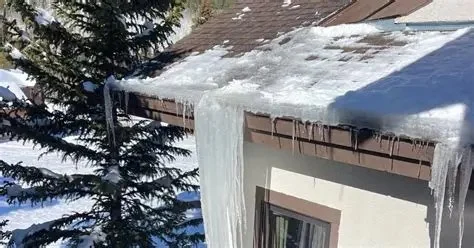
- 1. What is an Ice Dam?
- 2. How Ice Dams Form on Your Roof
- 3. The Dangers of Ice Dams
- 4. How to Prevent Ice Dams on Your Roof
- 5. Fixing Existing Ice Dams
- 6. When to Call a Roofing Professional
1. What is an Ice Dam?
An ice dam is a build-up of ice that forms along the edges of a roof during the winter months. It occurs when snow on the roof melts due to the heat escaping from the attic, only to refreeze as it reaches the colder eaves. Over time, this process causes layers of ice to form along the roofline, creating a barrier that prevents melting snow from draining off the roof. This trapped water can lead to leaks and extensive water damage inside your home.
Ice dams are not just unsightly—they are a significant issue for homeowners, especially in areas prone to heavy snowfalls. While they are common in colder climates, ice dams can form anywhere if the right conditions exist, causing damage to the roof and potentially leading to costly repairs.

Bartlett Brainard Products Co.
West HartfordCapitol Planning RegionConnecticut
75 Talcott Rd, West Hartford, CT 06110, USA
2. How Ice Dams Form on Your Roof
Ice dams form in a specific sequence of events that occurs during winter weather conditions. Understanding how they develop is essential to preventing them. Here's how it works:
- Step 1: Snow Accumulates on the Roof When snow falls, it accumulates on the roof, creating a thick layer of snow across the entire surface.
- Step 2: Heat Escapes from the Attic The heat from your home escapes into the attic, causing the snow on the upper part of the roof to melt.
- Step 3: Water Runs Down the Roof As the snow melts, the water runs down the roof, but when it reaches the colder eaves, it refreezes, forming ice.
- Step 4: Ice Builds Up As more water melts and refreezes, the ice builds up along the roofline, preventing the rest of the water from draining off the roof properly.
The ice dam traps water behind it, which can leak into the attic, the walls, and even the ceilings below, causing potential structural damage and mold growth.

Robbin Cutenese Painting
Thousand OaksVentura CountyCalifornia
1054 Calle Castano, Thousand Oaks, CA 91360, USA
3. The Dangers of Ice Dams
While ice dams may seem like a minor nuisance, they can cause severe damage to your home if left untreated. Here are some of the dangers associated with ice dams:
- Water Damage: Trapped water behind the ice dam can leak into your home, causing damage to ceilings, walls, insulation, and even flooring. This can lead to expensive repairs.
- Mold and Mildew Growth: Prolonged exposure to moisture can promote mold and mildew growth, which can affect your health and the structural integrity of your home.
- Roof Damage: The weight of the ice can damage shingles, gutters, and flashing, leading to the need for costly roof repairs or replacements.
- Foundation Issues: If water seeps down to the foundation of your home, it can cause cracks or shifts that weaken the overall stability of your property.
4. How to Prevent Ice Dams on Your Roof
Preventing ice dams is much easier and less costly than dealing with the damage they cause. Fortunately, there are several ways you can reduce the risk of ice dams forming on your roof:
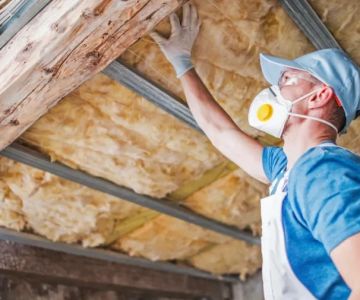
- Improve Attic Insulation: Ensure your attic is well-insulated to prevent heat from escaping. Insulation helps keep the warmth inside your home and prevents the snow on the roof from melting prematurely.
- Ventilate the Attic: Proper attic ventilation ensures that the temperature on your roof remains consistent, preventing ice dams from forming. This allows the air to flow freely, keeping the roof cool and the snow from melting unevenly.
- Seal Gaps and Leaks: Inspect your attic for gaps or leaks where warm air could escape. Seal any cracks around vents, pipes, or wires to reduce the amount of heat that escapes and causes melting snow.
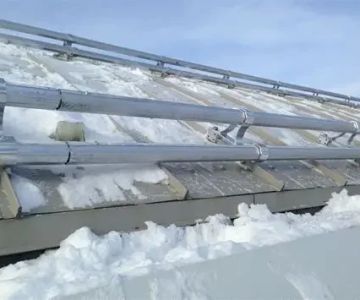
- Install a Heated Roof Cable: A heated cable system installed along the roofline can melt any snow or ice before it has a chance to form into an ice dam. This is a good preventative measure for roofs in areas with heavy snowfall.
- Install Ice and Water Shield: Apply an ice and water shield membrane under your roofing materials to provide an additional layer of protection. This shield prevents water from seeping into your roof if an ice dam does form.
5. Fixing Existing Ice Dams
If an ice dam has already formed on your roof, it’s important to take immediate action to prevent further damage. Here are a few methods to fix existing ice dams:
- Remove Snow from the Roof: Use a roof rake to remove the snow from the lower portion of the roof, particularly the eaves where ice dams are most likely to form. Be careful not to damage the shingles.
- Break the Ice Dam: If safe, use a blunt tool (like a hammer or a mallet) to carefully break the ice dam. You can also try placing ice-melting products like calcium chloride inside a sock to create a melting channel through the ice dam.
- Call a Professional: If you’re unsure or uncomfortable with removing the ice yourself, it’s best to call a professional roofer who has experience handling ice dams and can safely address the problem.
6. When to Call a Roofing Professional
While some ice dam removal tasks can be handled by homeowners, it's often best to consult a professional roofer if the situation is severe. If you notice water damage inside your home or find it difficult to reach the roof, a roofing expert can help assess the damage and prevent future ice dams from forming.A professional roofer can also install permanent solutions such as improved insulation, attic ventilation, or heated cables, which will safeguard your home from the long-term effects of ice dams.
 Marc Joseph remodeling5.0 (1 reviews)
 PRS Roofing Inc5.0 (9 reviews)
 KAPS CONSTRUCTION4.0 (5 reviews)
 Marshall Exteriors, LLC4.0 (213 reviews)
 S.W.A.T. Roofing & Consulting4.0 (46 reviews)
 MATFI RENOVATIONS LLC5.0 (23 reviews)
 Siding Material Fire Ratings: What’s Required & What to Choose
 Roof Talk: Common Terminology Every Homeowner Should Know
 How Often Should You Replace Your Home's Siding? Expert Tips on Siding Longevity
 The Average Lifespan of Asphalt Shingle Roofs: How Long Do They Last?
 How to Choose a Reliable Roofing Contractor Near You | Top Tips and Questions
 Should I Repair or Replace My Roof? – Expert Guide for U.S. Homeowners