- 1-Why is a Roof Inspection Important?
- 2-The Roof Inspection Process: What Happens?
- 3-How to Prepare for a Roof Inspection
- 4-Common Roof Problems Found During Inspections
- 5-What Happens After the Roof Inspection?
1-Why is a Roof Inspection Important?
Roof inspections are crucial for homeowners looking to ensure the longevity and safety of their home. Whether you're preparing to buy or sell a house, or simply maintaining your property, a roof inspection offers valuable insight into the condition of your roof. Regular inspections help identify potential problems before they become major issues, saving you money on costly repairs down the road.
Here’s why a roof inspection is essential:
- Identifies hidden issues: Roof damage is often hidden, and an inspection helps uncover underlying problems, such as leaks, worn-out shingles, or structural weaknesses.
- Prolongs the lifespan of your roof: Routine inspections ensure that your roof stays in optimal condition, preventing early wear and tear and maximizing its lifespan.
- Prevents costly repairs: Catching small issues early can prevent expensive emergency repairs and avoid the need for a full roof replacement.
- Supports insurance claims: In the event of damage, a roof inspection provides documentation that can support your insurance claim.
2-The Roof Inspection Process: What Happens?
When a professional roof inspector arrives at your home, they will follow a thorough process to assess the condition of your roof. Here’s a breakdown of what typically happens during a roof inspection:
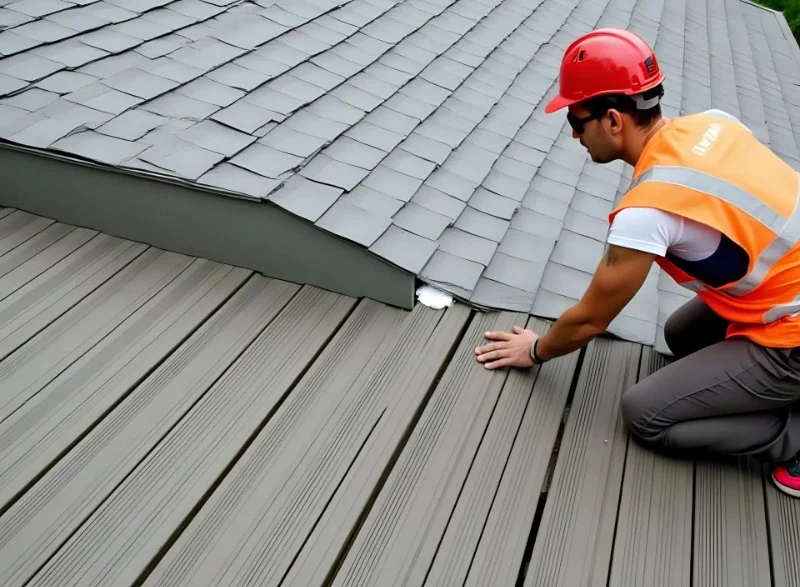
- Visual Assessment: The inspector will begin with a visual inspection of the roof, checking for signs of wear and tear, damaged shingles, or any debris that could be causing issues.
- Interior Inspection: A roof inspection also includes examining your home’s interior, particularly the attic. The inspector will look for water stains, signs of mold, and leaks that could indicate roof damage.
- Gutter Check: Gutters are often an indicator of roof problems. The inspector will check for proper drainage and ensure that your gutters are clear of debris and functioning properly.
- Structural Integrity: The inspector will evaluate the roof’s structural integrity, looking for any signs of sagging or weakness that could indicate a more serious issue.
- Flashing and Ventilation Check: Flashing around chimneys, vents, and skylights must be intact and free of damage. Proper ventilation is also crucial to prevent moisture buildup in your attic.
3-How to Prepare for a Roof Inspection
Preparing for a roof inspection ensures that the process goes smoothly and that the inspector has access to everything they need to evaluate your roof. Here's how to prepare:
- Clear the area around your home: Trim any overhanging branches, move vehicles, and clear obstacles that might hinder the inspector’s access to the roof.
- Ensure attic access: The inspector will need to access your attic to check for signs of leaks or moisture. Make sure the attic is accessible and well-lit.
- Make note of any known issues: If you’ve noticed any issues with your roof, such as leaks or water stains, make a note of them for the inspector to review.
- Ask questions: Prepare any questions you may have about your roof’s condition or the inspection process. A professional inspector will be happy to provide recommendations or advice on roof maintenance.
4-Common Roof Problems Found During Inspections
Roof inspections often reveal common issues that homeowners may not be aware of. Here are some of the most frequent problems found during roof inspections:
- Damaged or Missing Shingles: Shingles can crack, curl, or go missing due to age, weather, or improper installation. Damaged shingles leave your roof vulnerable to leaks.
- Leaky Roof: Leaks are one of the most concerning issues and can cause significant damage to your home if left unaddressed.
- Improper Flashing: Flashing around chimneys, vents, or skylights can become loose or corroded, leading to leaks and water damage.
- Clogged Gutters: Clogged gutters can cause water to back up and seep into your home’s foundation, potentially causing leaks and water damage.
- Poor Ventilation: Lack of proper ventilation can lead to moisture buildup, promoting mold growth and reducing the roof’s lifespan.
5-What Happens After the Roof Inspection?
Once the roof inspection is complete, the inspector will provide you with a detailed report outlining their findings. This report will include:
- A summary of the roof’s overall condition
- A list of any necessary repairs
- Recommendations for roof maintenance
- Estimates for repairs or replacements, if needed
After reviewing the report, you can decide on the next steps. If any issues were found, you may want to schedule repairs with a trusted roofing contractor. If the inspector found no major problems, it’s still a good idea to keep the inspection report for future reference or insurance purposes.
By understanding the roof inspection process and preparing for it, you can ensure that your roof stays in top condition and address any issues before they become costly repairs.
If you're ready for a professional roof inspection, visit [Total Roofing Hub] for expert services and recommendations for roofing products and contractors.
 Skyline Designs Roofing5.0 (99 reviews)
 Perfect Roofing Installations4.0 (60 reviews)
 Dog Tags Construction LLC4.0 (16 reviews)
 Gutter Shutter of Central Maryland5.0 (9 reviews)
 Sam Cline Handyman Services4.0 (37 reviews)
 Paramount Builders Inc.4.0 (302 reviews)
 Should I Repair or Replace My Roof?
 Top 10 Signs Your Roof Needs Immediate Repair Before It’s Too Late
 The Pros and Cons of Vinyl Siding: Is It the Right Choice for Your Home?
 How to Choose a Reliable Roofing Contractor Near You – Expert Tips
 Top 10 Signs Your Roof Needs Immediate Repair You Shouldn’t Ignore
 How to Spot Hail Damage on Your Roof | Quick Guide for Homeowners