
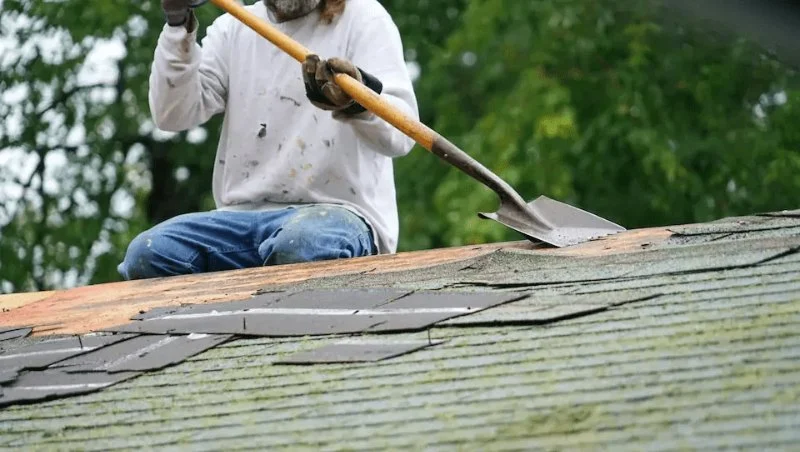
- Understanding Roof Shingle Lifespan
- Factors Affecting Roof Shingle Replacement
- Signs Your Roof Shingles Need Replacement
- Asphalt vs. Architectural Shingles
- Maintenance Tips to Extend Shingle Life
- How Weather and Climate Affect Shingle Longevity
- How Often to Inspect Your Roof Shingles
- Real Homeowner Case: Timely Replacement Saved Thousands
- Choosing a Professional Roofing Contractor
- Expert Advice on Timely Roof Shingle Replacement
Understanding Roof Shingle Lifespan
Roof shingles do not last forever. Knowing their lifespan is crucial to avoid costly damage or unexpected replacements. The average lifespan of roof shingles depends on the type and quality:
- Asphalt Shingles: 15–25 years
- Architectural/Dimensional Shingles: 25–30 years
- Wood Shingles: 20–30 years
- Metal Shingles: 40–70 years
- Slate Shingles: 50–100 years
Understanding these ranges allows homeowners to plan budget and maintenance schedules. For example, asphalt shingles are the most common in the U.S., but they require closer attention as they age, especially in regions with harsh weather.

Why Lifespan Varies
The stated lifespan is only an estimate. Factors like installation quality, roof slope, ventilation, and environmental stress can accelerate or extend shingle longevity. At Total Roofing Hub, homeowners often explore options for higher-durability shingles to reduce long-term maintenance costs.
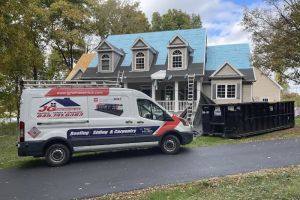
JG Home Services Inc.
BloomingburgSullivan CountyNew York
114 Burlingham Rd, Bloomingburg, NY 12721, USA
Factors Affecting Roof Shingle Replacement
Several factors influence when shingles should be replaced, beyond just age:
1. Roof Installation Quality
Poor installation, such as insufficient nailing or improper underlayment, can significantly reduce shingle life.
2. Roof Ventilation
Improper ventilation traps heat and moisture, accelerating shingle deterioration.
3. Local Climate and Weather
Extreme sun, high winds, heavy rain, snow, and hail all contribute to faster shingle wear.
4. Maintenance Practices
Regular inspections, cleaning debris, and addressing minor damage promptly can extend lifespan by several years.
Signs Your Roof Shingles Need Replacement
Even if your shingles have not reached the expected age, visible warning signs may indicate replacement is necessary:
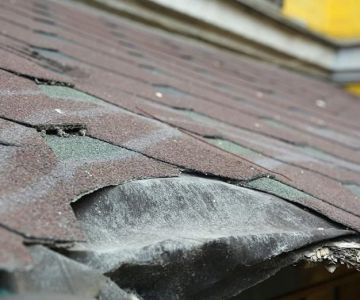
- Curled, cracked, or missing shingles
- Granules accumulating in gutters
- Water leaks or stains inside the home
- Moss or algae growth indicating trapped moisture
- Significant fading or brittle shingles
One homeowner in Ohio noticed black streaks on their asphalt shingles. Inspection revealed granule loss and weakened shingles, prompting a replacement that prevented interior water damage.
Minor vs. Major Replacement
Not every issue requires full replacement. Some problems can be addressed with patching or targeted repairs. However, widespread wear, structural damage, or extensive granule loss usually necessitates full roof replacement.
Asphalt vs. Architectural Shingles
Choosing the right shingle type impacts how often replacement is needed:
- Asphalt Shingles: Economical, moderate durability, lifespan 15–25 years
- Architectural Shingles: Thicker, more durable, lifespan 25–30 years
While architectural shingles are more expensive upfront, they often reduce long-term replacement frequency. Homeowners at Total Roofing Hub often balance budget with durability, opting for architectural shingles in high-wind or extreme weather areas.
Maintenance Tips to Extend Shingle Life
Preventive care can maximize shingle lifespan and reduce emergency replacements:
- Regular roof inspections at least twice a year
- Cleaning gutters and removing debris
- Trimming overhanging tree branches
- Addressing minor leaks promptly
- Applying protective coatings or treatments if recommended
Implementing these steps can often extend the life of asphalt shingles by 3–5 years and protect your investment.
How Weather and Climate Affect Shingle Longevity
Environmental factors play a major role in determining how often roof shingles should be replaced:
- Hot, sunny climates cause shingles to dry and crack faster
- Cold climates with freeze-thaw cycles can lift shingles and cause leaks
- High wind areas may lose shingles prematurely
- Heavy rainfall accelerates granule erosion and water damage
Homeowners in Florida often replace asphalt shingles earlier than those in milder climates due to sun exposure and hurricane risk. Adjusting replacement timelines according to local weather is essential for roof longevity.
How Often to Inspect Your Roof Shingles
Even if shingles are within their expected lifespan, regular inspections help identify issues early. Recommended inspection frequency:
- Twice a year (spring and fall)
- After major storms or hail events
- Immediately if leaks or interior water stains appear
Professional inspections, such as those arranged through Total Roofing Hub, provide detailed assessments and often uncover hidden damage that homeowners may miss.
Real Homeowner Case: Timely Replacement Saved Thousands
A homeowner in Colorado had asphalt shingles nearing 20 years old. By scheduling a proactive inspection, they discovered significant granule loss and minor leaks. Replacing the shingles before major structural damage saved an estimated $10,000 in future repairs.
Cases like this highlight the importance of combining age-based replacement schedules with condition-based evaluations.
Choosing a Professional Roofing Contractor
Replacing roof shingles is a significant investment. Choosing the right contractor ensures work is done safely, efficiently, and within code:
- Look for licensed, insured, and certified roofing professionals
- Request detailed written estimates, including materials, labor, and warranties
- Check reviews, references, and past project examples
- Ask about experience with your specific shingle type
Total Roofing Hub connects homeowners with vetted professionals to provide accurate inspections, honest guidance, and reliable shingle replacement services.
Expert Advice on Timely Roof Shingle Replacement
To summarize, homeowners should:
- Understand the typical lifespan of their shingles
- Monitor environmental and maintenance factors that impact longevity
- Watch for warning signs like curling, cracking, or granule loss
- Schedule inspections at least twice a year or after severe weather
- Consult professional contractors for condition-based replacement estimates
By staying informed and proactive, you ensure your roof shingles provide long-term protection, reduce unexpected repair costs, and maintain your home’s value.
For professional guidance, materials, and local contractor referrals, Total Roofing Hub offers a comprehensive resource for homeowners planning shingle replacement.
 RPC Remodeling & Contracting5.0 (9 reviews)
 First Choice Restoration, Inc.4.0 (39 reviews)
 Five Star Contracting LLC5.0 (48 reviews)
 A & L Roofing LLC5.0 (5 reviews)
 Roof Craft Systems0.0 (0 reviews)
 ESP Exterior Specialities of PA2.0 (17 reviews)
 How to Spot Roof Wear and Tear Early: Essential Tips for Homeowners
 How to Prevent Roof Damage from Strong Winds
 How to Choose a Reliable Roofing Contractor Near You: A Step-by-Step Guide
 The Ultimate Guide to Roof Replacement for Homeowners in the US
 Asphalt Shingles vs Metal Roofing: Which is Better for Your Home?
 Best Time of Year to Replace Your Roof | Total Roofing Hub