
- Roof Vent Water Damage Basics - Understanding Hidden Risks in Your Home
- How Roof Vent Problems Develop Over Time
- Early Warning Signs of Vent-Related Roof Leaks
- Condensation vs. Leaks - What Homeowners Often Misunderstand
- Practical Methods for Preventing Roof Vent Water Damage
- Inspection Techniques Used by Roofing Professionals
- Real Home Case Study - A Costly Mistake That Could Have Been Avoided
- Seasonal Maintenance Strategies for Long-Term Roof Protection
- Common DIY Mistakes That Make Roof Vent Issues Worse
- Why Professional Roofing Support Matters for Long-Term Safety
Roof Vent Water Damage Basics - Understanding Hidden Risks in Your Home
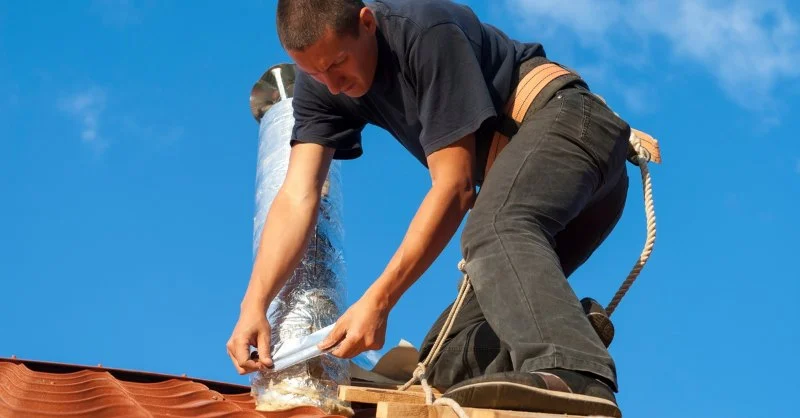
Many homeowners only think about their roof when a visible leak appears on the ceiling, but in reality, some of the most damaging problems begin quietly around roof vents. Understanding How to Prevent Water Damage from Roof Vent Problems starts with recognizing that ventilation systems are not just accessories—they are essential components that regulate airflow, moisture balance, and temperature inside the attic.
Roof vents allow hot air to escape during summer and reduce moisture buildup during winter. However, when these systems fail or are improperly installed, they can become entry points for water. What makes this issue particularly dangerous is that damage often develops slowly behind insulation, remaining invisible until structural problems appear.
In many American homes, especially in older suburban neighborhoods, roofing systems were installed decades ago with outdated venting techniques. Over time, weather exposure, material fatigue, and improper maintenance create conditions where water intrusion becomes almost inevitable if not addressed early.
How Roof Vent Problems Develop Over Time
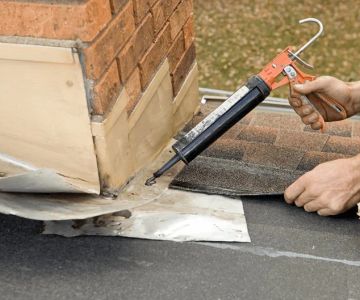
Roof vent issues rarely happen overnight. They usually begin with small imperfections in sealing materials or flashing. Flashing is the thin metal layer that protects the joint between the vent and the roof surface. When this layer deteriorates, water begins to seep in during heavy rain or snow.
Another common cause is poor installation. If a vent is not aligned correctly with roofing shingles, gaps can form that allow wind-driven rain to enter. Over time, even minor gaps expand due to thermal expansion and contraction, especially in regions with seasonal temperature shifts.
Clogged vents also contribute to water damage indirectly. When airflow is restricted, moisture becomes trapped in the attic. This trapped humidity condenses on cooler surfaces, eventually dripping down and mimicking a roof leak. Many homeowners misdiagnose this issue, leading to unnecessary repairs that do not solve the root problem.

Nick Roofing Contractor | nickroofing.com
HawthornePassaic CountyNew Jersey
525 Lafayette Ave, Hawthorne, NJ 07506, USA
Early Warning Signs of Vent-Related Roof Leaks
Identifying early warning signs can significantly reduce repair costs and prevent structural damage. One of the first indicators is discoloration on attic wood or insulation near vent openings. These stains often appear before any visible ceiling damage occurs.
A musty odor in the attic is another subtle signal. This smell typically indicates moisture accumulation and potential mold growth. While it may seem minor, it often signals a long-term ventilation imbalance.
Homeowners may also notice peeling paint or bubbling drywall on upper ceilings. These symptoms often develop when moisture repeatedly enters through compromised vent flashing and gradually spreads through ceiling layers.
Understanding these signs is a critical step in learning How to Prevent Water Damage from Roof Vent Problems before major repairs become necessary.
Condensation vs. Leaks - What Homeowners Often Misunderstand
One of the most common misconceptions in roofing maintenance is confusing condensation with actual roof leaks. While both can produce visible moisture, their causes are fundamentally different.
Condensation occurs when warm, humid air inside the attic meets cold roofing surfaces. This is especially common during winter months in regions with fluctuating temperatures. Water droplets form and drip downward, often being mistaken for external leaks.
True roof leaks, however, originate from external water intrusion—usually through damaged flashing, cracked vent seals, or broken shingles. Distinguishing between the two is essential because each requires a different repair strategy.
In many cases, homeowners spend thousands repairing what they believe is a roof leak, when in reality, improving ventilation would have solved the issue more effectively.
Practical Methods for Preventing Roof Vent Water Damage
Preventing vent-related water damage requires a combination of inspection, maintenance, and structural improvement. One of the most effective strategies is ensuring that all roof vents are properly sealed with high-quality flashing materials designed for long-term exposure.
Regular roof inspections—especially after storms—can help detect early signs of damage before they escalate. Even small cracks or loose shingles around vents should be addressed immediately to prevent water infiltration.
Another important step is maintaining balanced attic ventilation. A proper system includes both intake vents (usually located near the roof edges) and exhaust vents (such as ridge or turbine vents). When this balance is disrupted, moisture accumulation becomes inevitable.
Homeowners who are unsure about the condition of their roofing system often benefit from professional evaluations. Platforms like Total Roofing Hub provide access to roofing solutions, materials, and services that can help identify and fix vent-related issues before they become costly structural problems.
Inspection Techniques Used by Roofing Professionals
Professional roofers use a combination of visual inspection and moisture detection tools to evaluate vent integrity. One common method involves checking flashing overlap to ensure water cannot enter beneath shingles.
Infrared scanning is another advanced technique used to detect hidden moisture inside roofing layers. This technology helps identify water intrusion that is not visible to the naked eye, allowing for targeted repairs.
Roofers also examine attic airflow patterns. Poor airflow often indicates blocked vents or insufficient ventilation design. Addressing these issues early helps prevent long-term structural deterioration.
These professional techniques highlight why DIY inspections, while helpful, often miss deeper underlying issues.
Real Home Case Study - A Costly Mistake That Could Have Been Avoided
A homeowner in the Midwest once noticed minor ceiling stains during heavy rainstorms. Assuming it was a simple roof leak, they repeatedly patched shingles without inspecting the ventilation system.
Over time, the problem worsened. Eventually, mold spread into the attic insulation, requiring a full roof section replacement and attic remediation costing several thousand dollars.
A later professional inspection revealed that the issue was not primarily a roof leak but a poorly sealed roof vent combined with blocked attic airflow. The damage had been preventable with early detection and proper maintenance.
This case demonstrates how misunderstanding roof vent systems can turn a manageable issue into a major financial burden.
Seasonal Maintenance Strategies for Long-Term Roof Protection
Seasonal changes play a major role in roof performance. In winter, ice buildup around vents can stress flashing materials. In summer, extreme heat expands roofing components, potentially creating small gaps.
A practical maintenance approach includes inspecting roof vents twice a year—once in spring and once in fall. These inspections should focus on seal integrity, shingle alignment, and attic moisture levels.
Gutter cleaning also indirectly supports vent protection. When gutters overflow, water can back up under shingles and increase pressure around vent areas.
Consistent seasonal care significantly reduces the likelihood of unexpected water intrusion and extends the lifespan of the roofing system.
Common DIY Mistakes That Make Roof Vent Issues Worse
While DIY repairs may seem cost-effective, they often introduce additional risks when it comes to roof vent systems. One common mistake is applying excessive sealant without addressing underlying ventilation issues. This can trap moisture instead of resolving it.
Another frequent error is walking on roofing areas without understanding load distribution, which can damage shingles around vents and create new leak points.
Some homeowners also install incorrect vent types that do not match their roof design, leading to airflow imbalance and increased condensation.
Understanding these mistakes is essential when learning How to Prevent Water Damage from Roof Vent Problems, because prevention often depends more on avoiding errors than performing complex repairs.
Why Professional Roofing Support Matters for Long-Term Safety
Roof ventilation systems are interconnected with insulation, structural framing, and moisture control systems. Because of this complexity, professional evaluation often provides the most reliable long-term solution.
Experienced roofing specialists can identify subtle issues that homeowners might overlook, such as improper vent spacing or hidden moisture pockets inside attic insulation.
More importantly, professionals ensure that repairs align with building codes and long-term structural safety requirements. This reduces the risk of recurring damage and improves overall home durability.
For homeowners seeking reliable solutions, Total Roofing Hub serves as a resource for exploring roofing materials, repair options, and expert services tailored to vent-related water damage prevention.



 Laurel Windows5.0 (6 reviews)
 Exclusively Roofing Inc.5.0 (29 reviews)
 Reese Company LLc3.0 (10 reviews)
 Weathercheck4.0 (37 reviews)
 Southpaw Roofing4.0 (340 reviews)
 TRS Roofing Systems4.0 (4 reviews)
 How to Protect Your Roof from Heavy Snow: Essential Winter Tips
 How to Minimize Roof Noise: Material & Installation Tips
 What to Know About Roof Replacement Costs by Region
 Signs of Roof Deck Rot & What to Do About It
 The Pros and Cons of Vinyl Siding - Expert Roofing Advice
 What to Know About Replacing Roof Flashing During Repairs