
How to Choose Roof Underlayment Based on Climate: Expert Guide for Homeowners
- 1. Understanding Roof Underlayment
- 2. Factors to Consider When Choosing Underlayment
- 3. Different Climate Zones and Their Impact on Roof Underlayment
- 4. Best Roof Underlayment Options for Different Climates
- 5. Case Study: Choosing the Right Underlayment for Harsh Winters
- 6. Why Proper Underlayment Matters for Your Roof
1. Understanding Roof Underlayment
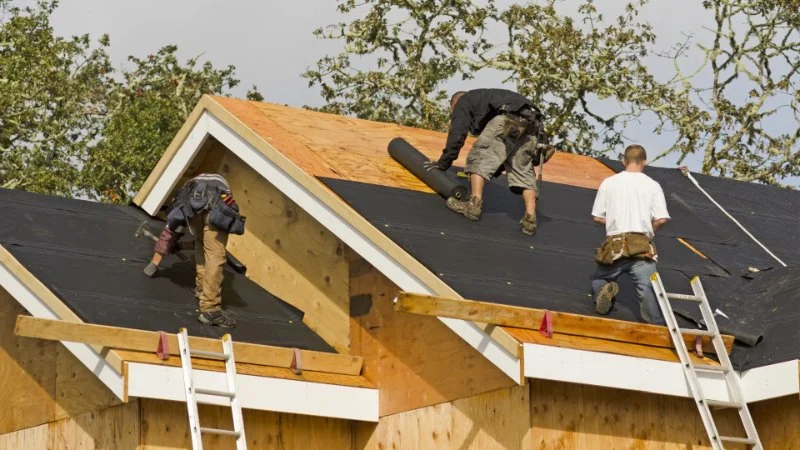
Roof underlayment is a crucial component of any roofing system, providing an additional layer of protection beneath the shingles or tiles. It acts as a barrier against water, ice, and wind, preventing moisture from infiltrating the roof deck. Choosing the right type of underlayment ensures your roof stays durable, weather-resistant, and effective over the long term. There are several types of roof underlayment, and the choice largely depends on your geographical location and the climate conditions your roof will face.
2. Factors to Consider When Choosing Underlayment
When selecting the appropriate roof underlayment, it’s essential to consider several key factors:
- Climate: Temperature fluctuations, rain, snow, and wind all influence the performance of underlayment.
- Durability: Look for underlayment materials that offer long-lasting protection, especially in extreme weather conditions.
- Moisture Resistance: Choose an underlayment that prevents water seepage, which can lead to mold and mildew.
- Ease of Installation: Some underlayment options are easier to install and better suited for DIY projects.
3. Different Climate Zones and Their Impact on Roof Underlayment
The type of roof underlayment you choose should be tailored to your local climate. Different climates present different challenges for your roof, including moisture, temperature extremes, and the potential for severe weather. Here's how climate zones can affect your underlayment choice:
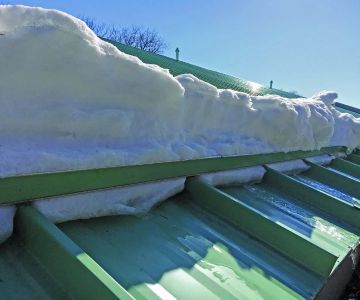
- Cold Climates: If you live in an area with harsh winters, you'll need an underlayment that can handle ice and snow. Ice damming is a common issue, so opt for an underlayment that offers superior moisture and ice protection.
- Hot Climates: In regions with high heat and intense sun, choose an underlayment that can withstand UV exposure and high temperatures. It should also be breathable to prevent moisture buildup.
- Humid and Rainy Climates: In areas with heavy rainfall or high humidity, a waterproof underlayment is essential to prevent water damage and mold growth. Look for materials that offer superior water resistance.
- Wind-Prone Areas: Wind-resistant underlayment is crucial in locations prone to hurricanes or tornadoes, as high winds can lift roof coverings and damage the underlying materials.
4. Best Roof Underlayment Options for Different Climates
There are a variety of roof underlayment options available, and selecting the right one depends on the climate conditions. Here are some of the best choices based on specific climates:
- Cold Climates: Synthetic underlayment with ice and water shield is an excellent choice for cold climates. It provides an extra layer of protection against ice dams and leaks.
- Hot Climates: Peel-and-stick membranes or breathable synthetic underlayments are perfect for areas with high temperatures. These materials offer both heat resistance and breathability.
- Humid and Rainy Climates: Waterproof membranes are ideal for areas with high moisture levels. These underlayments protect against water penetration and mildew.
- Wind-Prone Areas: Modified bitumen or asphalt-saturated felt is known for its strength and ability to withstand high winds, making it a great choice for regions prone to strong gusts.
5. Case Study: Choosing the Right Underlayment for Harsh Winters
In regions like the Northern United States, where winter storms and heavy snow are common, choosing the right underlayment is critical. A homeowner in Minnesota faced recurring ice dams and water leakage during winter months. After consulting a roofing expert, they chose a high-performance synthetic underlayment with a built-in ice and water shield. This choice helped protect the roof deck from water damage and prevented further ice damming. The result? A leak-free roof even through the harshest winters.

Coastal Premier Windows and Doors llc
Gulf ShoresBaldwin CountyAlabama
178 Northshore Cir, Gulf Shores, AL 36542, USA
6. Why Proper Underlayment Matters for Your Roof
Proper roof underlayment is crucial for ensuring the longevity of your roof and protecting your home from the elements. Without the right underlayment, your roof could be vulnerable to water damage, mold, and premature wear. It also plays a key role in maintaining your home’s energy efficiency, as it helps to regulate temperature and prevent moisture buildup. A good underlayment will save you money in repairs and extend the life of your roof, which is why choosing the right one based on your climate is essential.
For more roofing tips and to find the best underlayment materials for your roof, visit Total Roofing Hub for expert advice and product recommendations.

 Marc Joseph remodeling5.0 (1 reviews)
 PRS Roofing Inc5.0 (9 reviews)
 KAPS CONSTRUCTION4.0 (5 reviews)
 Marshall Exteriors, LLC4.0 (213 reviews)
 S.W.A.T. Roofing & Consulting4.0 (46 reviews)
 MATFI RENOVATIONS LLC5.0 (23 reviews)
 Siding Material Fire Ratings: What’s Required & What to Choose
 Roof Talk: Common Terminology Every Homeowner Should Know
 How Often Should You Replace Your Home's Siding? Expert Tips on Siding Longevity
 The Average Lifespan of Asphalt Shingle Roofs: How Long Do They Last?
 How to Choose a Reliable Roofing Contractor Near You | Top Tips and Questions
 Should I Repair or Replace My Roof? – Expert Guide for U.S. Homeowners