- 1. Understanding Roof Deck Rot
- 2. Signs of Roof Deck Rot
- 3. Causes of Roof Deck Rot
- 4. How to Deal with Roof Deck Rot
- 5. Preventing Roof Deck Rot
1. Understanding Roof Deck Rot
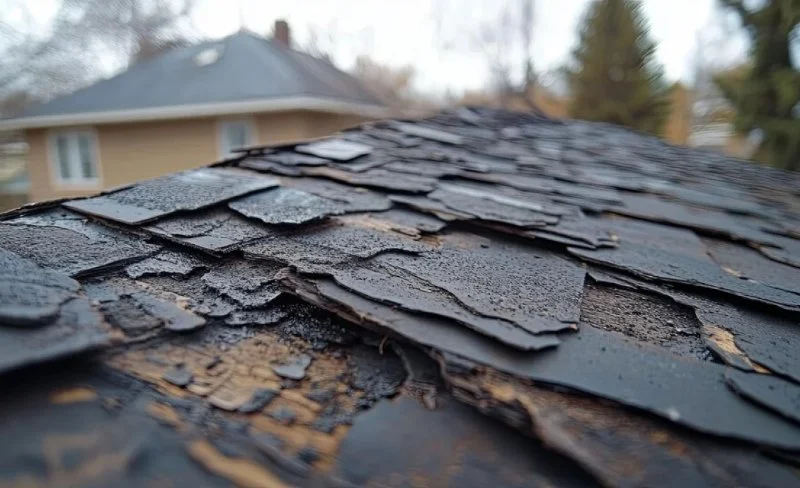
Roof deck rot is a common issue in homes, especially in regions with frequent rainfall or extreme humidity. The roof deck is a critical component of your roof structure that supports the roofing material, such as shingles or tiles. Over time, exposure to moisture can lead to wood rot, compromising the integrity of your roof.
Understanding how roof deck rot develops and how to spot early signs can help prevent expensive repairs and ensure the safety of your home. In this guide, we will walk through the causes, signs, and treatments for roof deck rot, as well as preventative measures to protect your roof for years to come.
2. Signs of Roof Deck Rot
Roof deck rot can often be difficult to detect, especially if it develops slowly. However, there are several signs you can look for to identify potential issues before they become serious problems. These signs include:
- Water Stains on Ceilings: One of the most obvious signs of roof deck rot is the presence of water stains or damp patches on the ceiling, particularly after heavy rain. These stains may start small but can spread as the rot worsens.
- Sagging Roof: If your roof is sagging, it could be due to rotting wood in the deck. The sagging indicates that the wood has lost its structural integrity and may need replacing.
- Visible Rot or Mold: If you notice any mold or visible wood rot on your roof’s deck or around the attic area, this is a strong indicator of moisture buildup and decay.
- Odor of Dampness or Mold: A musty smell coming from the attic or roof space can indicate the presence of moisture and potential mold growth, both signs of roof deck rot.
3. Causes of Roof Deck Rot
There are several factors that contribute to roof deck rot, and understanding these can help you take preventive measures. The main causes of roof deck rot include:
- Excessive Moisture Exposure: The primary cause of roof deck rot is moisture. This can come from leaks in the roofing material, poor ventilation, or improper installation of the roof. When moisture is trapped on the roof deck, it can slowly cause the wood to break down.
- Roof Leaks: Roof leaks, whether small or large, allow water to penetrate the roof deck. These leaks can be caused by damaged shingles, flashing issues, or clogged gutters.
- Poor Ventilation: Without proper ventilation in the attic or roof space, moisture from condensation cannot escape. This trapped moisture can contribute to rot over time.
- Improper Roof Installation: Roofs that are not installed correctly can result in gaps or seams where water can enter, leading to rot on the deck.
4. How to Deal with Roof Deck Rot
If you suspect that your roof deck is rotting, it’s important to take action as soon as possible to avoid more serious structural damage. Here’s what you can do:
- Inspect the Roof: If you notice signs of roof deck rot, it's important to inspect your roof thoroughly. This may involve checking the attic for water stains, checking the exterior for damaged or missing shingles, and examining the roof deck if accessible.
- Repair Roof Leaks: Any leaks in the roofing material should be repaired immediately to prevent further moisture from entering. This may involve replacing shingles, fixing flashing, or clearing blocked gutters.
- Replace Damaged Decking: If rot is found, the affected portions of the roof deck should be removed and replaced. This can be a complex task, and it’s best to consult with a roofing professional for repairs.
- Improve Attic Ventilation: Improving ventilation in the attic can help reduce moisture buildup. Installing vents or fans to allow proper airflow can help prevent future moisture-related problems.
5. Preventing Roof Deck Rot
While dealing with roof deck rot can be challenging, it’s better to prevent the issue before it starts. Here are some effective prevention tips:
- Regular Roof Inspections: Schedule regular roof inspections, ideally twice a year, to catch early signs of damage or rot before they become major issues.
- Maintain Gutters and Downspouts: Keeping your gutters and downspouts clean and clear is essential to prevent water from pooling on the roof and causing damage. Clogged gutters can lead to water backing up under the shingles, increasing the risk of rot.
- Ensure Proper Roof Ventilation: As mentioned, ensuring that your roof has proper ventilation can help prevent moisture buildup and protect the roof deck from rot.
- Use High-Quality Roofing Materials: Investing in durable, high-quality roofing materials can provide better protection against water damage and extend the lifespan of your roof.
If you’re dealing with roof deck rot or want to ensure your roof is in top condition, consider visiting Total Roofing Hub for more information and expert roofing services.
 Marc Joseph remodeling5.0 (1 reviews)
 PRS Roofing Inc5.0 (9 reviews)
 KAPS CONSTRUCTION4.0 (5 reviews)
 Marshall Exteriors, LLC4.0 (213 reviews)
 S.W.A.T. Roofing & Consulting4.0 (46 reviews)
 MATFI RENOVATIONS LLC5.0 (23 reviews)
 Siding Material Fire Ratings: What’s Required & What to Choose
 Roof Talk: Common Terminology Every Homeowner Should Know
 How Often Should You Replace Your Home's Siding? Expert Tips on Siding Longevity
 The Average Lifespan of Asphalt Shingle Roofs: How Long Do They Last?
 How to Choose a Reliable Roofing Contractor Near You | Top Tips and Questions
 Should I Repair or Replace My Roof? – Expert Guide for U.S. Homeowners