
- how-to-spot-roofing-damage-early-warning-signs
- roof-leak-detection-before-major-damage
- roof-inspection-methods-for-homeowners
- hidden-roof-problems-most-people-miss
- real-life-roof-damage-case-study-analysis
- preventing-roof-leaks-and-structural-issues
- when-to-call-a-roofing-professional
Why Early Roofing Damage Detection Matters More Than Most Homeowners Realize
A roof rarely fails all at once. In most cases, it gives subtle warnings long before major damage appears. The challenge is that many homeowners ignore these early signals until water starts dripping into living rooms or ceilings begin to stain.
Understanding how to spot roof damage early is not just about saving money—it’s about protecting the structure of your entire home. Small issues like missing shingles or minor flashing gaps can quickly turn into expensive structural repairs if left unchecked.

CMM Construction Corp
PoughkeepsieDutchess CountyNew York
506 Salt Point Turnpike, Poughkeepsie, NY 12601, USA
First Visual Clues: What Your Roof Is Trying to Tell You
Shingle Changes That Should Never Be Ignored
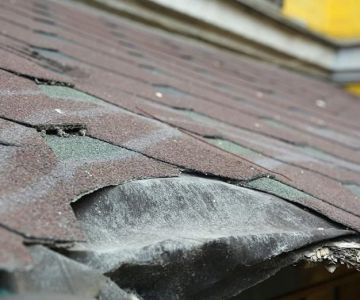
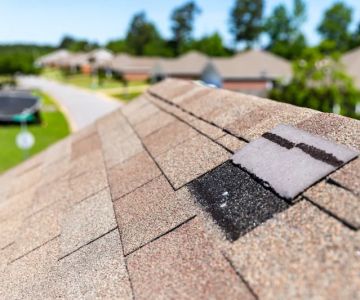
One of the earliest roofing damage signs appears in the shingles. Curling edges, cracked surfaces, or missing pieces indicate weather exposure or aging materials. These changes often start small but expand quickly during storms or temperature shifts.

Uneven Roof Surfaces and Sagging Areas
A roof should always maintain a consistent shape. If you notice dips or uneven sections, it may signal underlying structural weakness or trapped moisture. This is one of the most overlooked early warnings in roof inspection tips.
Granule Loss in Gutters
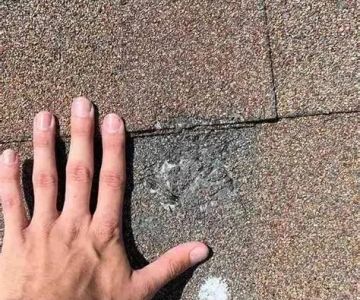
If you find sandy, granule-like particles in your gutters, it usually means shingles are deteriorating. This is a key indicator that your roof’s protective layer is wearing down faster than expected.
Inside the Home: Hidden Signs of Roof Problems
Ceiling Stains and Discoloration
Water stains on ceilings or upper walls often indicate a slow leak. Even small brown patches should be taken seriously, as they often signal ongoing moisture intrusion.
Unusual Attic Conditions
A simple attic inspection can reveal a lot. Damp insulation, musty odors, or visible light coming through roof boards are all warning signs that roof leak detection should begin immediately.
Temperature Changes Indoors
If certain rooms suddenly feel hotter or colder than usual, roof insulation or ventilation issues might be developing alongside structural damage.
Real-Life Example: A Home in Texas That Ignored Early Warning Signs
A homeowner in Texas noticed a few missing shingles after a windstorm but assumed it wasn’t urgent. Over the next few months, minor leaks began forming during heavy rain. Because the issue wasn’t addressed early, moisture spread into the attic insulation and eventually affected ceiling drywall.
By the time professionals were called, the repair cost was significantly higher than a simple early fix would have been. This case highlights why learning how to spot roofing damage before it spreads is so critical for long-term home protection.
Weather-Related Damage You Should Always Watch For
Storm Impact and Wind Uplift
Strong winds can lift shingles just enough to break their seal without completely removing them. This creates hidden entry points for water.
Heavy Rain and Water Pooling
Flat or poorly sloped roofs may collect water after heavy rain. Over time, this standing water weakens roofing materials and increases the risk of leaks.
Heat and UV Exposure
In warmer states, constant sun exposure can dry out roofing materials, causing cracks and brittleness that lead to long-term deterioration.
How to Perform a Safe and Simple Roof Inspection
Ground-Level Observation
You don’t always need to climb onto your roof to detect issues. Using binoculars or simply observing from the ground can help identify missing shingles or visible sagging.
Gutter and Drain Check
Cleaning and inspecting gutters helps reveal debris patterns that often point to roof wear. Accumulated shingle granules are one of the clearest early signals.
Attic Light Test
During daytime, check your attic for small beams of light entering through the roof. Even tiny openings can indicate developing leaks.
For homeowners looking to take prevention seriously, platforms like Total Roofing Hub provide access to tools, materials, and professional guidance that make roof monitoring easier and more effective.
Common Mistakes Homeowners Make When Checking Roof Damage
Waiting Until Leaks Become Visible
One of the biggest mistakes is waiting for water to appear inside the home. By that point, damage has often already spread internally.
Ignoring Small Cosmetic Changes
A single missing shingle might not seem urgent, but it can expose underlying layers to moisture and accelerate deterioration.
Skipping Seasonal Inspections
Roofs should be checked at least twice a year, especially after harsh weather seasons. Many homeowners skip this step until problems become obvious.
When Early Repairs Make the Biggest Difference
Minor issues like loose shingles, small cracks, or early flashing damage can often be repaired quickly and affordably. Addressing these problems early prevents water infiltration and structural decay.
Professional roofing experts consistently emphasize that preventive maintenance costs far less than emergency repairs or full roof replacements.
Long-Term Strategies to Prevent Roof Damage Spread
Regular Maintenance Habits
Keeping gutters clean, trimming nearby trees, and checking roof surfaces seasonally helps prevent many common roofing issues.
Material Upgrades for Better Durability
Modern roofing materials often offer better resistance to weather, UV exposure, and moisture compared to older installations.
Professional Inspections for High-Risk Homes
Homes in storm-prone or high-humidity areas benefit from annual professional inspections to catch issues homeowners might miss.
Understanding the Importance of Early Action in Roof Protection
Roof damage rarely stays small. What begins as a minor issue can quickly evolve into widespread structural problems if ignored. Learning to recognize early warning signs is one of the most valuable skills for any homeowner.
With consistent observation and timely action, most roofing problems can be managed before they escalate into costly repairs or full replacements.


 Roof Pros4.0 (64 reviews)
 Alvarado Roofing & Construction4.0 (97 reviews)
 Alliance Group Roofing Company4.0 (225 reviews)
 M&J Exteriors LLC4.0 (73 reviews)
 A. Poletto & Associates Inc.3.0 (2 reviews)
 Rob's Roofing, LLC4.0 (29 reviews)
 How to Budget for a Roof Replacement Project – Expert Tips and Advice
 Best Roof Edge Drip Edge Options & Why They Matter
 What to Know About Roofing Maintenance Plans
 How Often Should You Replace Your Home's Siding?
 How to Match Roof Shingles with Your Siding Color for the Perfect Home Look
 How to Prevent Roof Damage from Blocked Gutters Effectively