
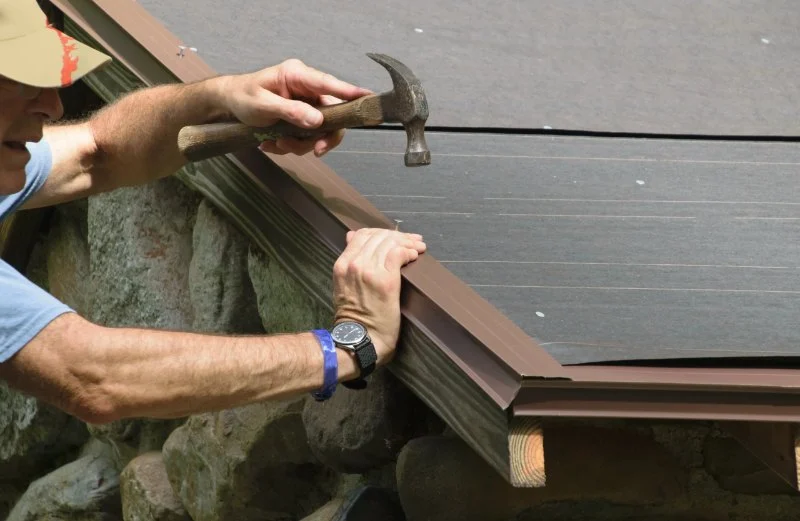
Best Roof Edge Drip Edge Options & Why They Matter
- 1. Introduction to Drip Edge and Roof Edge Importance
- 2. What is a Drip Edge and How Does It Function?
- 3. Different Types of Drip Edges Available
- 4. Why a Drip Edge is Crucial for Your Roof
- 5. How to Install a Drip Edge on Your Roof
- 6. Best Drip Edge Options for Homeowners
1. Introduction to Drip Edge and Roof Edge Importance
A well-designed roof is crucial for protecting your home from the elements, but did you know that one of the most overlooked components of your roof is the drip edge? A drip edge is a metal or plastic strip that is installed along the edges of your roof. It plays a vital role in ensuring water flows away from the roofline and prevents damage to your home’s fascia and soffit. In this guide, we’ll dive deep into why drip edges matter, how they work, and which options are best for your roof.
Highlands Window & Screen
Avon ParkHighlands CountyFlorida
1844 N Lake Brentwood Rd, Avon Park, FL 33825, USA
2. What is a Drip Edge and How Does It Function?
A drip edge is a roofing accessory that is installed at the edges of your roof to direct water away from the fascia and into the gutters. Without a proper drip edge, water can leak under the shingles, causing rot, mold, and damage to the structure of your home. The primary function of a drip edge is to ensure that water does not seep behind the roofing materials, which can prevent long-term damage and costly repairs.
Drip edges are typically made from metal, such as aluminum or galvanized steel, and are designed to be durable enough to withstand harsh weather conditions. They are installed along the eaves of the roof to channel water away from the fascia, down the sides of the roof, and into the gutters.
CD Roofing
StoningtonSoutheastern Connecticut Planning RegionConnecticut
81 Jeremy Hill Rd, Stonington, CT 06378, USA
3. Different Types of Drip Edges Available
There are several types of drip edges available, each offering unique benefits depending on your roofing needs. Here are some of the most popular options:
L-Shaped Drip Edge
The L-shaped drip edge is the most commonly used type. It has a simple L-shape design that allows it to be installed under the roofing materials and extends outward to guide water away from the roof. This type is effective in ensuring water doesn’t seep into the fascia.
C-Style Drip Edge
C-style drip edges are similar to L-shaped ones, but they feature a curved profile that provides better water runoff. They are ideal for roofs with a steep pitch, where water runoff is more intense. The added curve helps ensure water is directed away more efficiently.
T-Style Drip Edge
The T-style drip edge is commonly used on commercial roofs or flat roofs. It features a “T” shape that provides extra protection against water infiltration, especially in areas where water pooling might occur.
4. Why a Drip Edge is Crucial for Your Roof
While it may seem like a small detail, a drip edge plays a critical role in the longevity and efficiency of your roof. Without it, water can easily penetrate the edge of your roof, leading to a number of issues:
- Prevents Water Damage: A drip edge directs water into the gutters, preventing it from seeping into the fascia, soffits, and even the foundation of your home.
- Protects Roofing Materials: By keeping water away from the shingles and other roofing materials, a drip edge helps protect them from rot, mold, and early wear.
- Improves Roof Ventilation: Drip edges can also contribute to better airflow along the edges of your roof, which helps prevent moisture buildup and improves overall roof health.
5. How to Install a Drip Edge on Your Roof
Installing a drip edge is an essential step in roofing installation or replacement. It’s recommended to have a professional handle the installation, especially if you’re replacing or installing a new roof. However, if you’re doing a DIY project, here’s a basic overview of the process:
- Prepare the Roof: Clean the roof edges and make sure there is no debris or old roofing material that might hinder the installation of the drip edge.
- Measure and Cut: Measure the length of your roof’s edges, then cut the drip edge to the appropriate size using metal snips or a saw.
- Secure the Drip Edge: Place the drip edge under the first course of shingles and secure it with roofing nails, ensuring the edge extends beyond the fascia and into the gutter area.
- Seal the Edges: Seal any gaps along the edge of the drip edge with roofing cement or sealant to prevent water from seeping underneath.
6. Best Drip Edge Options for Homeowners
When selecting a drip edge for your roof, you should consider factors like material, durability, and style. Here are some of the best drip edge options available for homeowners:
Aluminum Drip Edge
Aluminum is one of the most popular materials for drip edges due to its lightweight nature, durability, and resistance to rust. Aluminum is a great option for homeowners in coastal areas where rusting might be a concern.
Galvanized Steel Drip Edge
Galvanized steel is another excellent option, offering increased strength and resistance to wear. It's ideal for regions that experience harsh weather conditions and heavy rainfall.
Copper Drip Edge
For a more aesthetic appeal, copper drip edges are a stylish and durable option. While more expensive, copper ages beautifully, giving your roof a unique, greenish patina over time.
7. Conclusion
A drip edge is a small but essential component that plays a significant role in protecting your home’s roof and overall structure. Whether you’re building a new roof or upgrading your existing one, investing in the right drip edge is crucial for ensuring the longevity and efficiency of your roofing system. Check out Total Roofing Hub for top-rated roof components and expert advice on selecting the best drip edge options for your needs.

 Atrium Roofing4.0 (253 reviews)
 New England Pro | General Contractor Lakes Region New Hampshire4.0 (29 reviews)
 Top Flight Exteriors, LLC1.0 (1 reviews)
 Restco Roofing5.0 (5 reviews)
 Pbl Construction Llc5.0 (35 reviews)
 Armada Construction Services LLC5.0 (33 reviews)
 Siding Expansion & Contraction: Causes & How to Mitigate | Total Roofing Hub
 The Pros and Cons of Vinyl Siding: What You Need to Know
 The Average Lifespan of Asphalt Shingle Roofs – How Long Do They Last?
 Siding Material Combinations: Mixing Wood, Metal, and Vinyl for Design & Function
 Should I Repair or Replace My Roof? A Complete Guide
 Should I Repair or Replace My Roof? Expert Advice for Homeowners