
- 1. Understanding the Basics of Siding Materials
- 2. The Benefits of Combining Wood, Metal, and Vinyl Siding
- 3. How to Choose the Right Siding Material Combinations
- 4. Popular Siding Combinations and Design Examples
- 5. Tips for Maintaining Your Mixed Siding
- 6. Conclusion: Enhance Your Home’s Design with Siding Material Combinations
1. Understanding the Basics of Siding Materials
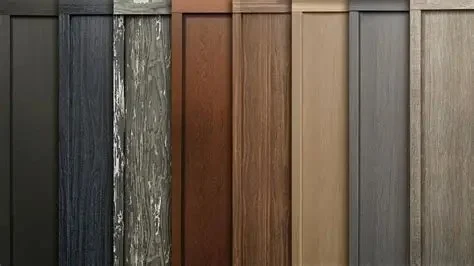
Siding materials play a crucial role in the overall appearance, durability, and energy efficiency of a home. Traditionally, materials like wood, metal, and vinyl have been popular choices, but each has its own set of characteristics that make it ideal for different needs.
Wood siding offers a natural, timeless aesthetic but requires regular maintenance. Metal siding, on the other hand, is highly durable and resistant to extreme weather conditions. Vinyl is cost-effective, low-maintenance, and available in a wide range of styles. Understanding the properties of these materials can help you decide which to mix for both functional and aesthetic benefits.

Elite Contracting
SwanseaBristol CountyMassachusetts
1743 Grand Army of the Republic Hwy, Swansea, MA 02777, USA
2. The Benefits of Combining Wood, Metal, and Vinyl Siding
Combining wood, metal, and vinyl siding materials can create a stunning and functional exterior for your home. Each material brings its unique set of strengths, and mixing them can provide the best of all worlds. Here’s a closer look at how these materials complement each other:

2.1. Aesthetic Appeal
When combined thoughtfully, these materials offer a wide variety of textures, colors, and patterns. Wood adds warmth and a natural look, metal offers sleek modernity, and vinyl brings in versatility and consistency. A well-balanced combination can transform your home’s exterior, giving it a unique and personalized touch.
2.2. Durability and Low Maintenance
Wood, when maintained properly, offers natural beauty, but metal and vinyl bring additional durability. For example, metal siding is highly resistant to weather damage and fire, while vinyl is known for its low maintenance needs. Combining these materials can give you the best of both worlds—stunning aesthetics with long-lasting functionality.
2.3. Cost-Effectiveness
Mixing materials can help balance both costs and functionality. Wood is often more expensive than vinyl, but by combining it with vinyl or metal, you can reduce costs while still achieving a high-end look. This makes material combinations an ideal solution for homeowners seeking both beauty and budget-friendliness.
3. How to Choose the Right Siding Material Combinations
Choosing the right combination of materials depends on several factors, including the style of your home, your budget, and the climate in your region. Here are some guidelines to help you select the best siding combination:
3.1. Consider the Architectural Style
The architectural style of your home plays a significant role in the choice of siding materials. For instance, a modern home may benefit from the sleek look of metal siding combined with vinyl, while a rustic cabin might look better with a mix of wood and vinyl for a more natural appearance.
3.2. Climate and Environmental Conditions
In areas with harsh weather conditions, combining metal or vinyl siding can provide extra protection. Metal siding is particularly suited for regions with high winds or frequent storms, while vinyl performs well in areas with extreme temperatures. Wood siding can be used in combination with these materials for a more aesthetically pleasing finish, but it requires regular maintenance.
3.3. Your Budget
Mixing materials allows for flexibility in budgeting. If you're looking to cut costs without sacrificing visual appeal, consider combining vinyl with wood accents. This way, you get the beauty of wood without the high price tag of covering the entire home in wood.
4. Popular Siding Combinations and Design Examples
There are endless possibilities when it comes to mixing wood, metal, and vinyl siding materials. Here are a few popular combinations and design examples to inspire your next siding project:
4.1. Wood and Vinyl for Rustic Elegance
One of the most popular combinations is using wood for accents or trims and vinyl for the main structure. This combination provides the warmth and charm of wood with the durability and low maintenance of vinyl. This works well in both suburban and rural settings and is perfect for a rustic yet refined look.
4.2. Metal and Vinyl for Modern Appeal
For a more contemporary, industrial look, combining metal and vinyl can create a sleek and stylish exterior. Metal can be used for bold accents or entire sections of the home, with vinyl providing a consistent finish across the rest of the structure. This combination is perfect for modern urban homes.
4.3. Full Metal for Durability
If durability is a top priority, consider using metal for the majority of the siding, with vinyl or wood accents. Metal’s resilience to harsh weather conditions makes it a great choice for homes in storm-prone areas, while vinyl or wood accents provide aesthetic appeal without compromising on durability.
5. Tips for Maintaining Your Mixed Siding
Maintaining mixed siding requires regular care to keep your home’s exterior looking its best. Here are some tips for each material:
5.1. Wood Siding
Wood siding needs to be treated with a protective coating to guard against moisture and pests. Periodic re-painting or staining is necessary to preserve the wood’s integrity and appearance.
5.2. Metal Siding
Metal siding is relatively low-maintenance but should be checked for rust or dents periodically. Cleaning the siding with soap and water can keep it looking fresh and prevent corrosion.
5.3. Vinyl Siding
Vinyl siding is one of the easiest materials to maintain, requiring only occasional cleaning with a hose or pressure washer. Ensure that you inspect for cracks or damage, and replace any damaged sections promptly to maintain both the aesthetic and functional quality of your siding.
6. Conclusion: Enhance Your Home’s Design with Siding Material Combinations
Combining wood, metal, and vinyl for your siding project can provide a beautiful and functional result that suits your home’s style and budget. By understanding the benefits and selecting the right materials for your specific needs, you can create a stunning exterior that enhances both the appearance and durability of your home.
If you're looking for high-quality siding materials, visit Total Roofing Hub for expert recommendations and the best products for your next siding project.



 Marc Joseph remodeling5.0 (1 reviews)
 PRS Roofing Inc5.0 (9 reviews)
 KAPS CONSTRUCTION4.0 (5 reviews)
 Marshall Exteriors, LLC4.0 (213 reviews)
 S.W.A.T. Roofing & Consulting4.0 (46 reviews)
 MATFI RENOVATIONS LLC5.0 (23 reviews)
 Siding Material Fire Ratings: What’s Required & What to Choose
 Roof Talk: Common Terminology Every Homeowner Should Know
 How Often Should You Replace Your Home's Siding? Expert Tips on Siding Longevity
 The Average Lifespan of Asphalt Shingle Roofs: How Long Do They Last?
 How to Choose a Reliable Roofing Contractor Near You | Top Tips and Questions
 Should I Repair or Replace My Roof? – Expert Guide for U.S. Homeowners