- Introduction to Vinyl Siding
- Pros of Vinyl Siding
- Cons of Vinyl Siding
- Vinyl Siding Maintenance
- Vinyl Siding Installation
Introduction to Vinyl Siding
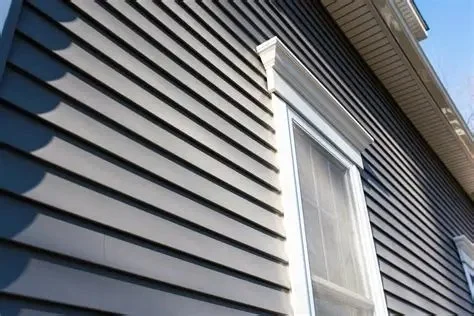
When it comes to choosing the right exterior for your home, vinyl siding is one of the most popular options. It offers a range of benefits, from affordability to low maintenance, making it an appealing choice for homeowners. However, like any material, it comes with its pros and cons. In this article, we’ll explore the advantages and disadvantages of vinyl siding to help you make an informed decision for your home’s exterior.
Pros of Vinyl Siding
Vinyl siding is favored by many homeowners for its numerous advantages. Let’s take a look at some of the most notable pros of choosing vinyl siding:
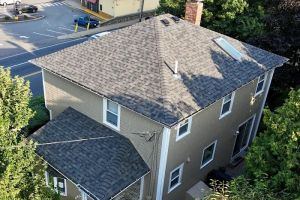
GN Exteriors - Roofers in Braintree
BraintreeNorfolk CountyMassachusetts
44 B.V. French St, Braintree, MA 02184, USA
1. Affordable
One of the biggest selling points of vinyl siding is its affordability. Compared to other materials like wood or stone, vinyl siding is relatively inexpensive to purchase and install. It’s an excellent option for those on a budget who want to enhance the appearance of their home without breaking the bank.
2. Low Maintenance
Vinyl siding requires minimal maintenance. Unlike wood, which needs to be painted and treated regularly to prevent rot, vinyl siding only requires occasional cleaning with a hose or power washer. It doesn’t warp, peel, or fade as easily, making it a hassle-free choice for homeowners.
3. Durability
Vinyl siding is known for its long-lasting durability. It can withstand extreme weather conditions, including heavy rain, snow, and strong winds. It is also resistant to pests like termites, which can damage other materials like wood.
4. Variety of Styles and Colors
Another advantage of vinyl siding is the wide range of colors, textures, and styles available. Whether you want a traditional or modern look for your home, you can find vinyl siding that matches your aesthetic preferences. Additionally, many vinyl options mimic the appearance of wood or stone, giving you the look of a more expensive material without the associated cost.
Cons of Vinyl Siding
While vinyl siding offers many benefits, it also has its drawbacks. Here are some of the cons to consider before making your decision:
1. Environmental Impact
Vinyl siding is made from PVC (polyvinyl chloride), a plastic material that can have a significant environmental impact. The production of PVC contributes to pollution, and while vinyl is durable, it is not biodegradable. If environmental sustainability is a priority for you, vinyl siding may not be the best choice.
2. Prone to Cracking
Although vinyl siding is durable, it can become brittle over time, especially in extremely cold temperatures. If you live in an area with harsh winters, your vinyl siding may crack or become damaged due to freezing conditions. This can lead to costly repairs or replacements.
3. Limited Repair Options
If your vinyl siding becomes damaged, it can be difficult to repair. While small cracks or holes can be patched, large sections may need to be replaced entirely. Finding an exact match for your existing siding can also be challenging, especially if the color or style has been discontinued.
4. Less Insulation Than Other Materials
While vinyl siding provides some insulation, it doesn’t offer the same level of energy efficiency as materials like fiber cement or wood. If you’re looking for a more insulated exterior, you may want to consider other options, such as insulated vinyl siding or alternative materials with better thermal properties.
Vinyl Siding Maintenance
One of the main reasons homeowners choose vinyl siding is its low maintenance requirements. However, to keep it looking its best, there are a few things you should do:
1. Regular Cleaning
To remove dirt and debris from your vinyl siding, it’s recommended to clean it at least once a year. Use a garden hose and a soft-bristled brush to wash the surface. For tougher stains, a mixture of water and mild soap can be effective. Power washing is also an option, but be sure to follow the manufacturer’s guidelines to avoid damaging the siding.
2. Inspect for Damage
Periodically inspect your vinyl siding for any signs of damage, such as cracks or warping. Catching issues early can help prevent more extensive damage that may require expensive repairs.
3. Prevent Mold and Mildew
In humid climates, mold and mildew can develop on vinyl siding. To prevent this, clean the siding regularly and ensure proper drainage around your home to reduce moisture buildup.
Vinyl Siding Installation
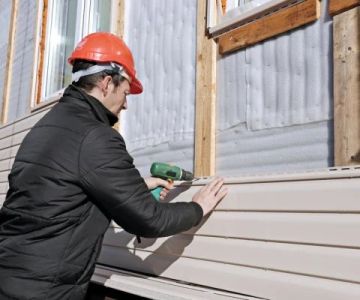
When installing vinyl siding, it’s essential to hire a professional contractor with experience in the material. Improper installation can lead to issues like buckling or warping, which may affect the overall appearance and performance of the siding. Look for a licensed and insured contractor who specializes in vinyl siding installation to ensure the job is done correctly and to avoid future complications.
In conclusion, vinyl siding is a great choice for many homeowners due to its affordability, durability, and low maintenance. However, it’s important to weigh the pros and cons before making a decision. By understanding the potential downsides, such as environmental impact and repair difficulties, you can determine if vinyl siding is the right option for your home.
 Skyline Designs Roofing5.0 (99 reviews)
 Perfect Roofing Installations4.0 (60 reviews)
 Dog Tags Construction LLC4.0 (16 reviews)
 Gutter Shutter of Central Maryland5.0 (9 reviews)
 Sam Cline Handyman Services4.0 (37 reviews)
 Paramount Builders Inc.4.0 (302 reviews)
 Should I Repair or Replace My Roof?
 Top 10 Signs Your Roof Needs Immediate Repair Before It’s Too Late
 The Pros and Cons of Vinyl Siding: Is It the Right Choice for Your Home?
 How to Choose a Reliable Roofing Contractor Near You – Expert Tips
 Top 10 Signs Your Roof Needs Immediate Repair You Shouldn’t Ignore
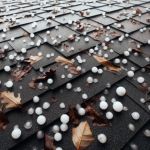 How to Spot Hail Damage on Your Roof | Quick Guide for Homeowners