- 1 - Understanding Structural Damage in Roofs
- 2 - Common Causes of Roof Structural Damage
- 3 - Preventive Maintenance Strategies
- 4 - Materials and Construction Considerations
- 5 - Storm and Weather Protection Tips
- 6 - Inspection and Professional Assessment
- 7 - Real-Life Success Stories
- 8 - Choosing Products and Services from Total Roofing Hub
1. Understanding Structural Damage in Roofs
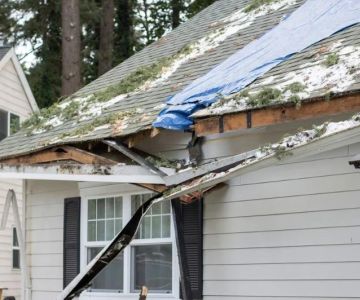
Structural damage to a roof refers to the weakening or failure of the roof's core framework. This can include rafters, trusses, decking, or load-bearing elements. Left unchecked, minor issues can escalate into serious problems, compromising both safety and property value.
1.1 Signs of Structural Damage
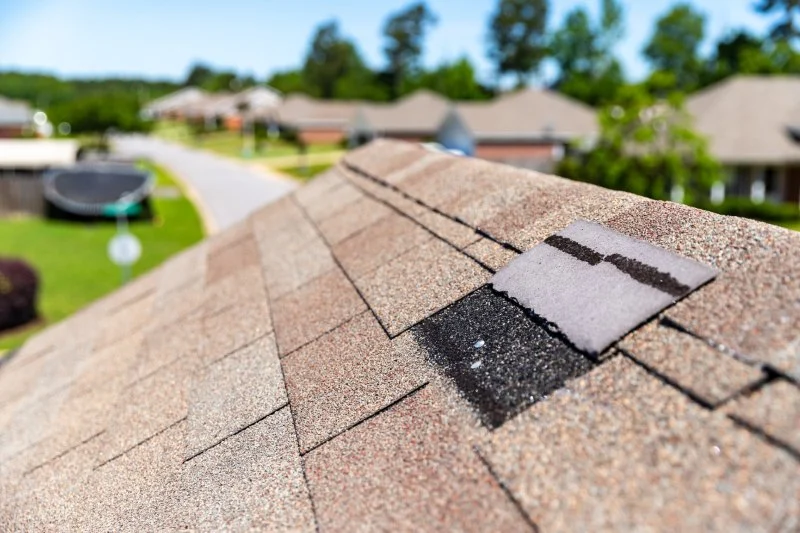
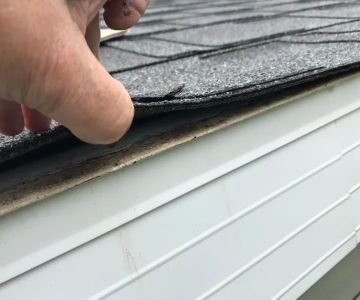
Common indicators include sagging sections, cracked or warped shingles, uneven rooflines, leaks, or water stains inside the home. Identifying these early can prevent costly repairs and potential hazards.

1.2 Importance of Early Intervention
Addressing damage promptly maintains structural integrity and prevents secondary issues like mold growth, insulation damage, and interior water damage. Early intervention is key to prolonging your roof's lifespan.
2. Common Causes of Roof Structural Damage
Understanding the causes helps homeowners and contractors develop targeted prevention strategies.
2.1 Weather and Climate Factors
Heavy snow, ice accumulation, high winds, and storms exert stress on roof structures. Over time, this can lead to sagging, truss failure, or shingle displacement.
2.2 Material Degradation
Roofing materials naturally degrade due to UV exposure, moisture, and temperature fluctuations. Asphalt shingles, wooden decks, and metal roofing each have specific wear patterns that contribute to structural vulnerability.
2.3 Poor Installation or Design
Incorrect installation or inadequate structural design increases the risk of damage. Improper spacing of trusses, insufficient fasteners, or low-quality materials can all compromise roof strength.
2.4 Water Infiltration
Leaks from rain or ice dams lead to rot, mold, and weakened framing. Persistent water infiltration is one of the most common causes of serious structural issues.
3. Preventive Maintenance Strategies
Routine maintenance is the most effective way to protect your roof from structural damage.
3.1 Regular Roof Inspections
Conduct seasonal inspections to check for missing shingles, cracks, or sagging areas. Inspect after severe weather events to catch early damage before it worsens.
3.2 Cleaning Gutters and Drains
Clogged gutters can lead to water pooling and increased roof stress. Keep gutters clear of debris and ensure proper drainage to avoid structural strain.
3.3 Prompt Repair of Minor Issues
Even small leaks or missing shingles should be addressed immediately. Timely repairs prevent water damage, rot, and long-term weakening of structural components.
4. Materials and Construction Considerations
Selecting the right materials and construction techniques enhances roof durability and resilience.
4.1 Choosing Durable Materials
High-quality roofing materials, such as architectural shingles, metal roofing, or reinforced membranes, offer improved resistance to wear and structural failure.
4.2 Reinforcing Roof Structure
Adding bracing, support beams, or proper truss spacing ensures your roof can handle heavy loads from snow, wind, or debris accumulation.
4.3 Ventilation and Insulation
Proper ventilation prevents moisture buildup and ice dams, while effective insulation maintains consistent roof temperature, reducing stress on materials.
5. Storm and Weather Protection Tips
Extreme weather events pose a major risk to roof structures, but strategic precautions can mitigate damage.
5.1 Hurricane Straps and Roof Anchors
For areas prone to high winds or hurricanes, installing metal straps and anchors strengthens the roof-to-wall connection, reducing uplift risk.
5.2 Snow Load Management
In snowy climates, ensure proper roof slope and remove excess snow safely to prevent collapse or sagging. Heat cables may also help prevent ice dams.
5.3 Protective Coatings
Applying waterproof coatings or sealants enhances the roof's resistance to water infiltration, UV degradation, and surface wear.
6. Inspection and Professional Assessment
Engaging roofing professionals ensures accurate evaluation and tailored solutions.
6.1 Certified Roof Inspections
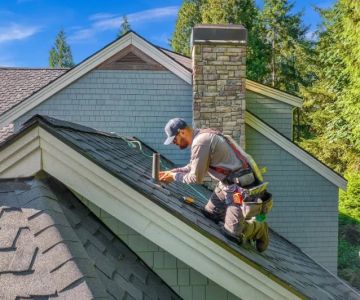
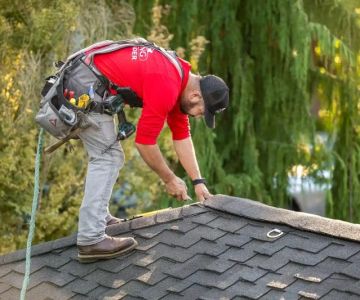
Licensed inspectors can detect hidden damage, structural weaknesses, and potential hazards that are not visible to the untrained eye.
6.2 Load Testing and Stress Analysis
Advanced assessments, including load testing, simulate environmental stresses to ensure your roof can withstand extreme conditions.
6.3 Professional Maintenance Plans
Roofing contractors offer maintenance contracts, ensuring periodic checks, cleaning, and minor repairs, keeping structural integrity intact over time.
7. Real-Life Success Stories
Examples illustrate the effectiveness of proper roof care and preventive strategies.
7.1 Homeowner Case Study
The Johnsons noticed minor leaks after a winter storm. By promptly consulting roofing professionals, reinforcing trusses, and installing new flashing, they prevented extensive structural damage and prolonged roof life.
7.2 Commercial Building Example
A local warehouse experienced sagging in certain sections of the roof. Professional inspection revealed poor truss spacing. After reinforcement and protective coating application, the roof remained structurally sound for decades.
8. Choosing Products and Services from Total Roofing Hub
Total Roofing Hub offers expert-curated roofing materials, tools, and professional guidance for protecting roofs from structural damage.
8.1 High-Quality Roofing Materials
Access a variety of shingles, metal panels, membranes, and insulation products designed for durability and structural protection.
8.2 Professional Services
Connect with certified roofing contractors for inspections, reinforcement, and repair services tailored to your specific roof type and climate conditions.
8.3 Expert Advice and Tutorials
Total Roofing Hub provides detailed installation guides, maintenance tips, and expert advice to help homeowners make informed decisions for long-term roof protection.
 Vargas and vargas Painting And Construction4.0 (9 reviews)
 Advanced Roofing Solutions4.0 (36 reviews)
 Home Services at The Home Depot3.0 (7 reviews)
 Wise Custom Builders4.0 (12 reviews)
 Empire Custom Painting0.0 (0 reviews)
 Coastal Roofing & Disaster Services4.0 (11 reviews)
 What to Expect During a Roof Inspection: A Comprehensive Guide
 How to Repair Minor Vinyl Siding Damage: DIY Tips and Techniques
 What to Expect During Roof Repair After Storm Damage
 The Environmental Benefits of a Cool Roof: Why It’s Good for You and the Planet
 The Best Roofs for Low-Maintenance Homes
 Roof Sheathing Replacement: When It Becomes Necessary for Your Home