
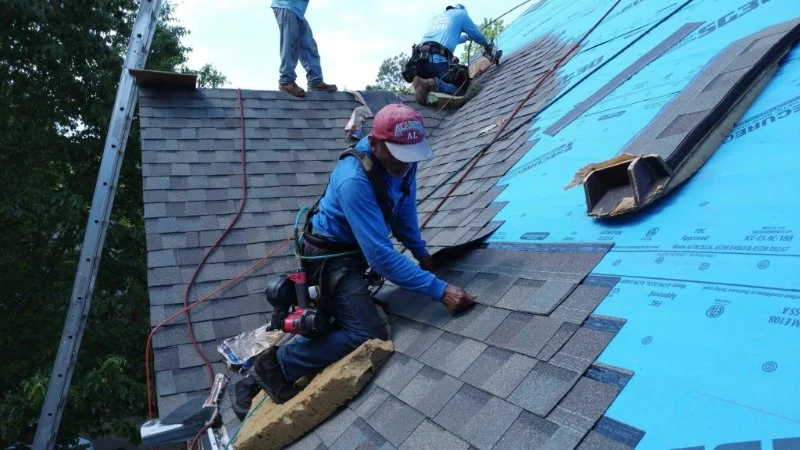
1 - Understanding Roof Replacement
Roof replacement is a major home improvement project where an existing roof is removed and replaced with new roofing materials. Unlike minor repairs, roof replacement involves multiple steps, careful planning, and professional expertise. Understanding the process helps homeowners set realistic expectations regarding duration, cost, and disruption.
1.1 Why Roof Replacement Is Necessary
Homeowners consider roof replacement when shingles are worn out, leaks develop, structural damage occurs, or when upgrading for aesthetic or energy efficiency reasons. Delaying replacement can worsen damage, leading to higher costs and prolonged project timelines.
1.2 Types of Roof Replacement
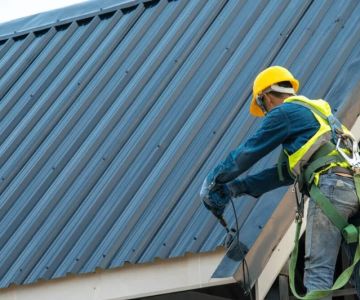
Different roof types affect the replacement timeline. Asphalt shingle roofs are common in the US and usually faster to replace, while tile, metal, or slate roofs require specialized handling and may take longer. Each material has unique installation requirements that influence the overall project schedule.
2 - Factors Affecting Roof Replacement Duration
Several factors determine how long a roof replacement takes from start to finish:
2.1 Roof Size and Complexity
Larger homes or roofs with multiple angles, chimneys, and dormers take longer to replace. A simple single-story home may be completed in a few days, while complex designs can require a week or more.
2.2 Type of Roofing Material
Asphalt shingles are faster to install, typically taking 1-3 days for an average home. Metal, tile, or slate roofs require precise handling, cutting, and fastening, extending project duration.
2.3 Weather Conditions
Rain, wind, or extreme temperatures can delay work. Roofing contractors often plan around favorable weather to ensure safety and proper installation.
2.4 Roof Deck Condition
If the underlying structure is damaged, additional repairs may be necessary before installing new roofing materials. Replacing rotten wood or reinforcing beams can add days to the project.
2.5 Crew Size and Experience
Larger, experienced roofing teams complete projects faster. A small or inexperienced crew may require extra time to ensure quality and safety.
3 - Typical Roof Replacement Timeline
Although each project is unique, the following timeline outlines common stages:
3.1 Initial Inspection and Planning (1 Day)
The contractor assesses the existing roof, identifies damage, measures the area, and discusses material options. Homeowners receive a detailed quote and schedule.
3.2 Material Delivery and Preparation (1 Day)
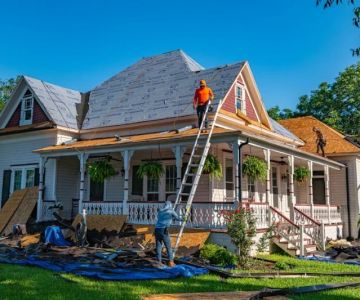
All materials, tools, and safety equipment are delivered. The crew sets up scaffolding, safety harnesses, and tarps to protect landscaping and property.
3.3 Roof Removal (1-2 Days)
The old roofing is stripped, including shingles, underlayment, and flashing. Any necessary deck repairs are made. Proper disposal ensures compliance with local regulations.
3.4 Installation of New Roof (2-5 Days)
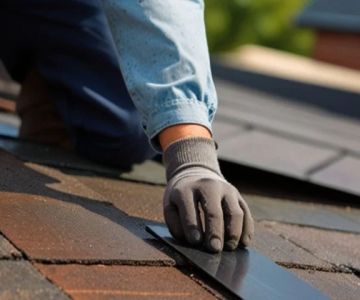
New underlayment is installed, followed by shingles or other roofing materials. Flashing, vents, and ridge caps are added to ensure proper sealing. Larger or complex roofs take longer due to intricate detailing.
3.5 Final Inspection and Cleanup (1 Day)
The contractor inspects the finished roof, ensuring proper installation and sealing. All debris, nails, and tarps are removed. Homeowners receive care instructions and warranty information.
4 - Real-Life Case Studies
Examining practical examples provides insight into project duration and execution:
4.1 Suburban Asphalt Shingle Replacement
In Dallas, a two-story home required a full asphalt shingle replacement. A crew of six completed the project in three days, including deck repair. Favorable weather and efficient planning enabled the timeline.
4.2 Complex Tile Roof in California
A Mediterranean-style home in Los Angeles had a clay tile roof with multiple dormers. Installation took seven days due to careful handling of heavy tiles and intricate detailing. Crew experience and material delivery scheduling were critical.
4.3 Emergency Roof Replacement After Storm Damage
Following a hailstorm in Denver, a home required immediate replacement. The contractor coordinated fast delivery, emergency tarp installation, and a dedicated team to complete the replacement in four days, preventing further interior damage.
5 - Tips to Speed Up the Roof Replacement Process
Homeowners can take steps to ensure efficient project completion:
5.1 Schedule in Favorable Weather
Plan replacement during dry months to avoid delays from rain, snow, or wind. This ensures materials are handled safely and prevents damage during installation.
5.2 Clear Property and Provide Access
Remove vehicles, outdoor furniture, and obstacles. Providing easy access for delivery trucks and crews accelerates work.
5.3 Pre-Approve Materials
Select roofing materials and accessories before the project starts. Delays in material decisions can extend timelines unnecessarily.
6 - Choosing a Reliable Roofing Contractor
Selecting a qualified contractor ensures quality work and adherence to timelines.
6.1 Verify Licensing and Insurance
Licensed contractors with proper insurance reduce liability risks. Confirm credentials before signing contracts.
6.2 Check Reviews and References
Reading past customer reviews and requesting references provides confidence in project delivery and reliability.
6.3 Transparent Contracts
Detailed contracts outlining project scope, timelines, costs, and warranty terms prevent misunderstandings and keep the project on track. Many homeowners use resources like Total Roofing Hub to find trusted contractors.
7 - Long-Term Maintenance and Follow-Up
Post-installation maintenance prolongs roof lifespan and ensures performance.
7.1 Regular Inspections
Schedule annual or semi-annual inspections to identify minor issues before they escalate. Check shingles, flashing, gutters, and ventilation.
7.2 Prompt Repairs
Address leaks or damaged areas immediately. Minor repairs prevent extended damage and future replacement delays.
7.3 Cleaning and Upkeep
Keep roofs clean from debris, moss, and algae. Proper maintenance improves durability and reduces the likelihood of unexpected repairs.
Understanding the timeline for roof replacement, from initial inspection to final inspection, helps homeowners plan effectively. By considering factors like roof type, size, crew experience, and weather, and by choosing a reliable contractor through platforms like Total Roofing Hub, the process becomes predictable and manageable. Real-life examples demonstrate that with proper preparation and professional expertise, even complex roof replacements can be completed efficiently and successfully.
 Fiducia Roofing & Restoration5.0 (53 reviews)
 Boyce's Roofing & Repair4.0 (131 reviews)
 Chicoski construction0.0 (0 reviews)
 Island Improvements Inc.5.0 (2 reviews)
 Home Genius Exteriors4.0 (33 reviews)
 ALAA LLC5.0 (24 reviews)
 The Average Lifespan of Asphalt Shingle Roofs: What Homeowners Need to Know
 Siding vs Stucco: Which Is Better for Your Home?
 How Often Should You Replace Your Home's Siding?
 Roof Durability in Mixed Climates: Hot Days & Cold Nights – Key Considerations
 Siding Material Fire Ratings: What’s Required & What to Choose
 Siding Trim Maintenance: Eaves, Corners & J-Channels