- -Why Spotting Roofing Problems Early is Crucial
- -Common Roofing Problems to Look Out For
- -How to Conduct a DIY Roof Inspection
- -When to Call a Professional Roofing Contractor
- -Real-Life Roofing Stories and Lessons Learned
- -Tips to Prevent Major Roofing Problems in the Future
1. Why Spotting Roofing Problems Early is Crucial
Roofing problems, if left unnoticed, can lead to significant damage to your home, causing everything from water leaks to structural issues. Early detection is key to preventing costly repairs and ensuring the longevity of your roof. Knowing how to spot roofing problems before they get worse can save you time, money, and stress in the long run.
1.1 The Consequences of Delaying Repairs
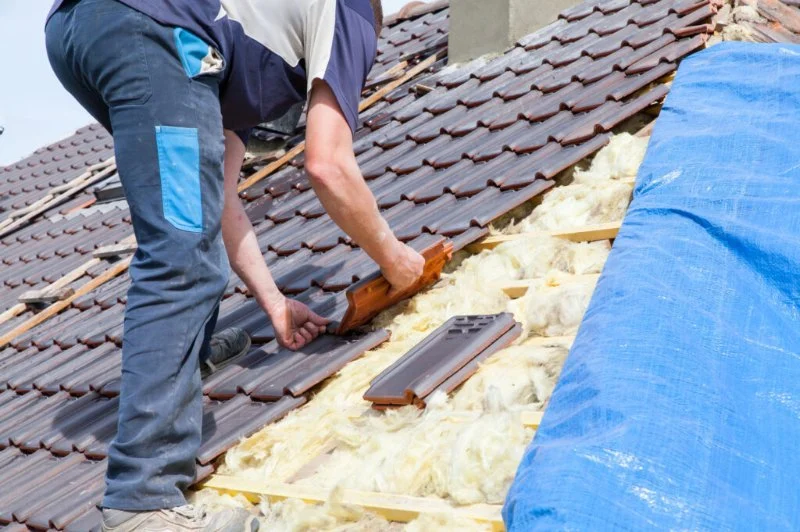
Ignoring roofing issues can cause small problems to escalate. For example, a minor leak can eventually lead to mold growth, insulation damage, and weakened structures. In severe cases, neglecting roof problems may result in the need for a full roof replacement, which is far more expensive than addressing the issue early.
1.2 Protecting Your Home’s Integrity
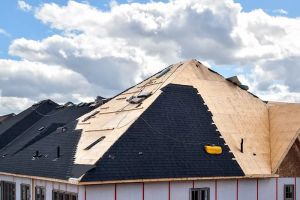
The roof is one of the most important components of your home. It protects everything inside from the elements, so it’s vital to keep it in good condition. Regularly checking for roofing problems helps ensure your home remains safe and secure.
1.2.1 How Early Detection Saves Money
Addressing roofing problems early prevents further damage, which can lead to more expensive repairs. Detecting leaks, cracked shingles, or loose flashing early can help extend the lifespan of your roof and reduce overall maintenance costs.
2. Common Roofing Problems to Look Out For
Understanding common roofing problems is essential when learning How to Spot Roofing Problems Before They Get Worse. Below are a few of the most common issues homeowners should look out for:
2.1 Roof Leaks
One of the most common roofing problems is leaks. Water can seep in through damaged shingles, flashing, or underlayment, leading to water stains on ceilings and walls inside your home. The longer a leak goes unnoticed, the greater the potential for extensive water damage.
2.2 Damaged or Missing Shingles
Shingles are the first line of defense against the elements. Over time, shingles can become damaged or dislodged, leaving the roof vulnerable to leaks and moisture penetration. Regularly checking for missing or broken shingles is an important part of roof maintenance.
2.2.1 Wind and Weather Damage
High winds, hail, and heavy rain can damage shingles, causing them to crack, curl, or lift. If you notice debris from your roof in your yard after a storm, it’s a sign that your shingles may have been affected.
2.3 Clogged Gutters
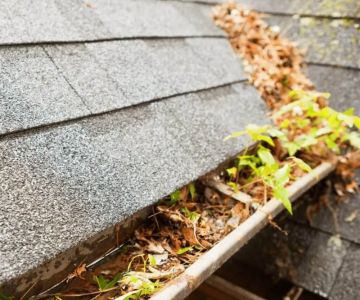
Clogged gutters can lead to water buildup on the roof, which can cause leaks, mold, and rot. Regularly cleaning your gutters helps maintain proper drainage, ensuring water flows away from the roof and foundation.
3. How to Conduct a DIY Roof Inspection
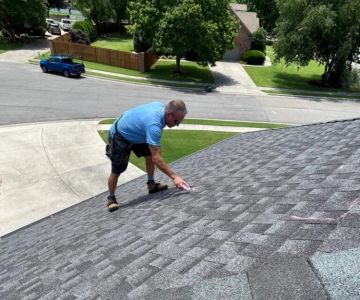
Conducting a roof inspection is something every homeowner can do to spot roofing problems early. Here’s how you can perform a thorough inspection yourself:
3.1 Check the Exterior
Start by examining the exterior of your roof from the ground. Use binoculars to check for missing, damaged, or curling shingles. Look for any visible signs of sagging or unevenness in the roofline, as this could indicate structural issues.
3.2 Inspect the Gutters
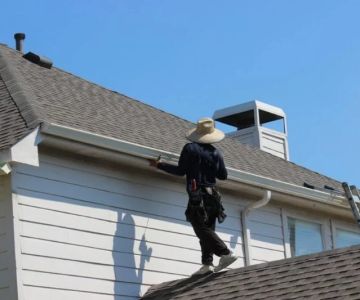
Climb a ladder (or use a stable step ladder) to inspect your gutters. Make sure they are clear of debris and check for any signs of water damage, such as rust or water stains around the gutter area. Clogged gutters can contribute to roof problems by allowing water to pool on the roof.
3.2.1 Examine Flashing and Seals
Inspect the flashing around chimneys, vents, and skylights. Flashing should be intact and securely fastened to prevent water from seeping into the roof. Check for rust, cracks, or any areas where the flashing may have lifted or become loose.
3.3 Look for Water Stains Inside
Check your attic and ceilings for water stains or mold growth. These can be signs of leaks or other moisture-related issues in the roof. If you notice discoloration on the ceiling, it’s important to address the issue quickly before it worsens.
4. When to Call a Professional Roofing Contractor
While a DIY roof inspection can help you detect minor issues, it’s important to know when to call in a professional roofing contractor. Some problems, such as structural damage or complex leaks, require expert attention.
4.1 Extensive Roof Damage
If your roof has extensive damage, such as missing large sections of shingles or visible signs of wear and tear, it’s best to consult with a professional. A contractor can provide a more thorough inspection and help you determine the best course of action.
4.2 Safety Concerns
Roof inspections can be dangerous, especially if you need to climb a ladder or work at height. If you feel uncomfortable or unsafe doing the inspection yourself, it’s a good idea to call a roofing expert to perform a detailed assessment.
4.2.1 Professional Repair and Maintenance
Professional roofers have the experience and tools to fix issues properly and efficiently. They can also offer maintenance services to keep your roof in top condition year-round.
5. Real-Life Roofing Stories and Lessons Learned
Hearing real-life stories about roofing problems can help homeowners relate to the potential risks and lessons learned from ignoring roof maintenance.
5.1 A Water Leak That Turned into a Major Problem
One homeowner shared how they ignored a small roof leak for months, thinking it was just a minor issue. Unfortunately, the leak worsened, causing water damage to the ceiling and walls. The eventual repair cost was far more than it would have been had they addressed the issue early on.
5.2 A Successful DIY Roof Inspection
Another homeowner conducted a simple DIY inspection of their roof and noticed a few missing shingles after a storm. They replaced the shingles themselves with some guidance from a local roofing supplier. This small repair saved them from bigger issues later on.
5.2.1 Key Takeaways
These stories highlight how timely roof inspections can save money and prevent extensive damage. Early detection is the best way to avoid expensive repairs and keep your home safe.
6. Tips to Prevent Major Roofing Problems in the Future
Once you’ve spotted and repaired roofing issues, it’s important to take steps to prevent future problems. Regular maintenance can help extend the life of your roof and reduce the likelihood of costly repairs.
6.1 Regular Inspections
Make roof inspections a part of your regular home maintenance routine. Check your roof at least once a year, and after major storms, to catch small issues before they escalate.
6.2 Keep Gutters Clean
Regularly clean your gutters and downspouts to ensure proper water flow. Clogged gutters are a major contributor to roof damage, as they can cause water to pool and seep into the roof.
6.2.1 Address Problems Early
The key to preventing major roofing problems is addressing small issues as soon as they arise. Don’t wait until you see significant damage—take action early to protect your home.
Knowing How to Spot Roofing Problems Before They Get Worse is the first step in ensuring the long-term health of your roof. Regular inspections, prompt repairs, and preventive measures can save you time, money, and stress. For professional advice and materials, visit Total Roofing Hub for all your roofing needs.
 J&R Contracting Group4.0 (13 reviews)
 Total Roofing & Exteriors5.0 (19 reviews)
 PROCO Roofing & Construction4.0 (17 reviews)
 PriceWise Roofing4.0 (15 reviews)
 Abraham Roofing & Siding4.0 (10 reviews)
 All Pro Roofing and Consulting LLC4.0 (122 reviews)
 Top 10 Signs Your Roof Needs Immediate Repair: Keep Your Home Safe
 Top 10 Signs Your Roof Needs Immediate Repair
 James Hardie vs Vinyl vs Wood Siding: Cost & Durability Comparison
 How to Prevent Roof Damage from Weather Changes: Expert Tips
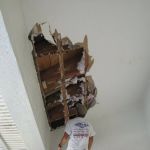 Roof Damage Hidden Behind Drywall or Interior Ceilings: What You Need to Know
 The Complete Guide to Metal Roofing Systems – Types, Benefits, and Costs