
- 1- The Importance of Siding Replacement
- 2- Factors That Affect Siding Lifespan
- 3- How Often Should You Replace Your Home's Siding?
- 4- Signs You Need to Replace Your Siding
- 5- How to Extend the Life of Your Siding
- 6- Choosing the Right Siding Material for Your Home
- 7- Why Choose Total Roofing Hub for Siding Services
1. The Importance of Siding Replacement
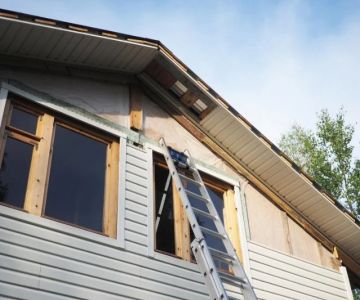
Siding is one of the most important components of your home’s exterior. Not only does it protect your home from the elements, but it also enhances curb appeal and contributes to energy efficiency. Over time, however, your siding may become damaged or worn, and it may need to be replaced. Knowing when to replace your siding can save you from costly repairs and ensure that your home remains secure, insulated, and attractive.
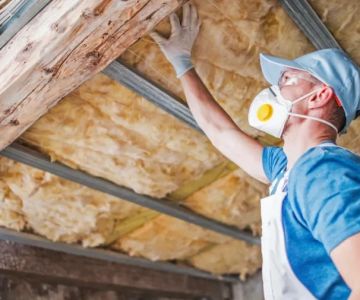
Siding replacement is not just about aesthetics—it’s also about protecting your home from moisture, insects, and other external threats. Properly maintained siding helps to keep the interior of your home comfortable and dry, while also reducing the need for frequent repairs.

2. Factors That Affect Siding Lifespan
The lifespan of your siding depends on a variety of factors, including the material used, the climate in your area, and how well the siding is maintained. Some of the key factors that influence siding longevity are:
- Siding Material: Different materials have different lifespans. For example, vinyl siding can last up to 40-60 years, while wood siding may need to be replaced every 20 years, depending on the weather.
- Climate and Weather: Harsh weather conditions, such as extreme heat, cold, and heavy rain, can accelerate wear and tear on siding. Homes in coastal areas may also experience faster degradation due to saltwater exposure.
- Maintenance: Regular maintenance, such as cleaning and painting, can help extend the life of your siding. Neglecting to repair small issues, like cracks or loose panels, can lead to bigger problems and earlier replacement.
- Exposure to Sunlight: Constant exposure to UV rays can cause certain types of siding (especially wood and vinyl) to fade, warp, or crack over time.

AM Commercial Residential Roofing, LLC
MontgomeryMontgomery CountyTexas
12225 High Fire Rd, Montgomery, TX 77356, USA
3. How Often Should You Replace Your Home's Siding?
The timing for replacing your home’s siding depends largely on the material used and the conditions it’s exposed to. Below is a general guideline for common siding materials:
- Vinyl Siding: Vinyl is one of the most durable and low-maintenance siding options, with a lifespan of 40-60 years. If your vinyl siding is still in good condition, you may not need to replace it for decades.
- Wood Siding: Wood siding typically lasts 20-40 years, depending on the type of wood and maintenance. It may need to be replaced sooner if it has been exposed to moisture or insect damage.
- Fiber Cement Siding: Fiber cement siding is highly durable and can last 50-75 years. It is resistant to rot, insects, and extreme weather, making it a great choice for long-term performance.
- Stucco Siding: Stucco siding can last 50-80 years, but it may require re-sealing or repairs more frequently to prevent water damage.
4. Signs You Need to Replace Your Siding
There are several signs that indicate your siding needs replacement. These include:
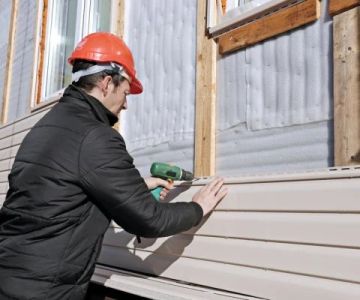
- Cracks and Holes: If your siding has visible cracks, holes, or large dents, it may be allowing moisture and insects to penetrate your home, leading to further damage.
- Discoloration: Fading or discoloration of your siding may indicate that the material has been damaged by UV rays or other environmental factors, and it may no longer be protecting your home effectively.
- Peeling Paint or Wallpaper: Peeling or bubbling paint on the inside walls of your home may be a sign of water damage caused by faulty or deteriorating siding.
- Mold and Mildew: Mold or mildew growing on your siding or inside your home is a clear sign that moisture is trapped behind the siding, which could lead to structural damage.
- Warping or Buckling: Warped, buckled, or loose siding can be caused by moisture buildup or poor installation, compromising your home’s protection.
5. How to Extend the Life of Your Siding
While all siding materials eventually need replacement, regular maintenance can extend the lifespan of your siding. Here are a few tips to keep your siding in top condition:
- Clean Regularly: Wash your siding regularly to remove dirt, grime, and mildew. Use a gentle pressure washer or a soft brush to avoid damaging the material.
- Inspect for Damage: Check your siding for cracks, holes, or loose panels, and repair any issues promptly to prevent further damage.
- Seal and Paint: Repainting wood or fiber cement siding and applying sealant to vinyl or stucco can help protect the material from the elements.
- Trim Overhanging Branches: Keep trees and shrubs trimmed away from your siding to prevent moisture buildup and reduce the risk of scratches or punctures.
6. Choosing the Right Siding Material for Your Home
The right siding material depends on several factors, including your budget, climate, aesthetic preferences, and how much maintenance you’re willing to do. Some materials, like vinyl and fiber cement, offer low-maintenance durability, while others, like wood, may require more upkeep but provide a classic, natural look. Consider your home’s needs, local weather conditions, and the level of maintenance you’re prepared to commit to when choosing your siding material.
7. Why Choose Total Roofing Hub for Siding Services
At Total Roofing Hub, we offer expert siding replacement services to help you maintain the beauty and protection of your home. Whether you need to replace old siding or upgrade to a more energy-efficient material, our team of professionals is here to guide you through every step of the process. Visit Total Roofing Hub for the best siding products, installation, and expert advice to keep your home looking great and functioning efficiently.
 Marc Joseph remodeling5.0 (1 reviews)
 PRS Roofing Inc5.0 (9 reviews)
 KAPS CONSTRUCTION4.0 (5 reviews)
 Marshall Exteriors, LLC4.0 (213 reviews)
 S.W.A.T. Roofing & Consulting4.0 (46 reviews)
 MATFI RENOVATIONS LLC5.0 (23 reviews)
 Siding Material Fire Ratings: What’s Required & What to Choose
 Roof Talk: Common Terminology Every Homeowner Should Know
 How Often Should You Replace Your Home's Siding? Expert Tips on Siding Longevity
 The Average Lifespan of Asphalt Shingle Roofs: How Long Do They Last?
 How to Choose a Reliable Roofing Contractor Near You | Top Tips and Questions
 Should I Repair or Replace My Roof? – Expert Guide for U.S. Homeowners