- The Importance of Roof Maintenance
- Key Components of Roof Maintenance
- How to Perform Roof Inspections
- Seasonal Roof Care Tips
- Common Roof Issues and How to Address Them
- When to Call a Professional for Roof Maintenance
The Importance of Roof Maintenance
Regular roof maintenance is essential for extending the life of your roof and preventing costly repairs. Roofs are exposed to the elements and endure wear and tear from wind, rain, snow, and UV rays. By maintaining your roof, you can protect your home from water damage, mold, and structural issues, saving money in the long run.
Routine roof maintenance also enhances energy efficiency by ensuring proper insulation and ventilation, helping to regulate your home’s temperature and reduce utility bills. A well-maintained roof can also improve the curb appeal and value of your home.

Key Components of Roof Maintenance
Maintaining roof quality involves a variety of tasks that keep the roof in top condition. Some of the key components include:
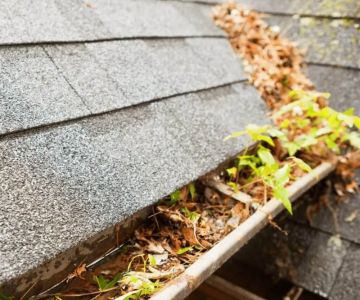
1. Cleaning Gutters and Downspouts: Regularly cleaning out your gutters prevents water from backing up and causing damage to the roof. Clogged gutters can lead to water pooling on the roof, which can cause leaks and damage the roofing materials.
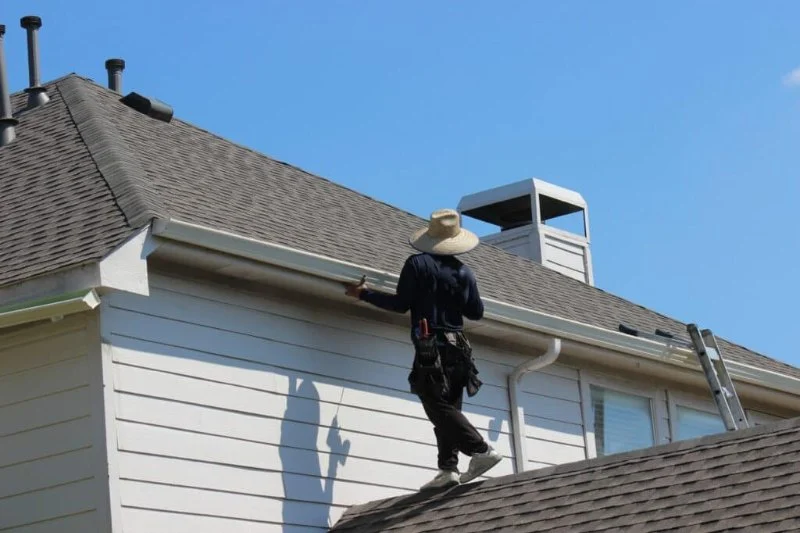
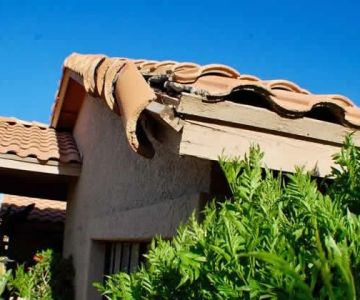
2. Inspecting Shingles: Check the condition of the shingles to identify any that are cracked, curled, or missing. Replacing damaged shingles promptly can prevent water from leaking into your home and causing extensive damage.
3. Checking for Moss and Algae: Moss and algae growth can deteriorate roofing materials over time. Cleaning off any moss or algae and treating the roof with a solution that prevents growth can prolong its life.
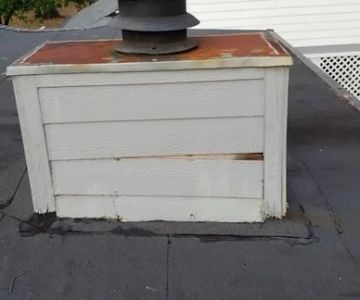
4. Inspecting Flashing: Flashing is used around roof penetrations (like chimneys and vents) to prevent water intrusion. Ensure the flashing is intact and sealed properly to avoid leaks in vulnerable areas.
AGC Gutter Company
Hilton Head IslandBeaufort CountySouth Carolina
12 Anglers Pond Ct, Hilton Head Island, SC 29926, USA
How to Perform Roof Inspections
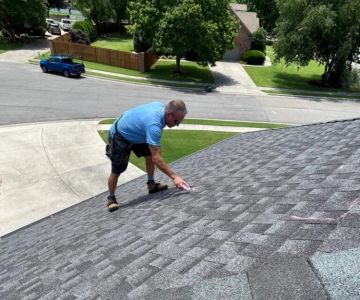
Performing a roof inspection is essential for identifying potential issues before they become major problems. Here’s how to perform a basic roof inspection:
1. Visually Inspect from the Ground: Use binoculars to check for signs of damage, such as missing or curling shingles, sagging areas, or debris. Look for dark spots or stains that may indicate water damage.
2. Check the Attic: Inspect the attic for signs of water leaks, mold, or rot. Look for any visible light coming through the roof, as this may indicate holes or gaps in the roof that need repair.
3. Check Flashing and Roof Vents: Inspect the flashing around chimneys, skylights, and vents for any signs of wear or rust. Ensure that roof vents are clear and functioning properly to allow proper ventilation.
4. Look for Debris: Remove any debris such as leaves, twigs, or branches that may have accumulated on the roof. This helps prevent water from pooling and causing damage.
Seasonal Roof Care Tips
Seasonal changes can affect your roof, so it’s important to adjust your maintenance routine accordingly. Here are some tips for seasonal roof care:
1. Spring: After the winter months, check for any damage caused by ice, snow, or freezing temperatures. Clean out gutters and check for any debris that may have built up over the winter.
2. Summer: In the summer, check for signs of UV damage, such as cracking or fading shingles. Ensure that your roof’s ventilation system is working properly to keep the attic cool and reduce the risk of heat buildup.
3. Fall: Fall is a good time to clean gutters and inspect your roof for any damage caused by heavy storms. Trim any overhanging branches that could fall on your roof during the winter.
4. Winter: In the winter, check for ice dams that could form along the eaves. These can cause water to back up under the shingles and lead to leaks inside your home.
Common Roof Issues and How to Address Them
Here are some common roof issues that may require attention and how to address them:
1. Leaks: If you notice water stains on your ceiling or walls, you likely have a roof leak. Inspect the area for damaged shingles, cracked flashing, or clogged gutters. Small leaks can often be repaired with a patch or sealant, but larger issues may require roof replacement.
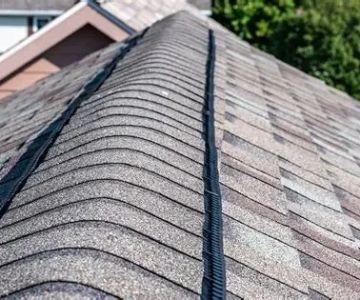
2. Poor Ventilation: If your attic is poorly ventilated, it can lead to moisture buildup and heat damage. Ensure that your roof has adequate ventilation, such as soffit vents, ridge vents, or gable vents, to promote airflow and reduce moisture buildup.
3. Ice Dams: Ice dams can form when warm air in the attic melts snow on the roof, which then refreezes at the eaves. To prevent ice dams, ensure proper attic insulation and ventilation and consider installing heat cables along the eaves.
When to Call a Professional for Roof Maintenance
While routine maintenance can be done by homeowners, there are times when it’s necessary to call a professional. Some signs that you need professional help include:
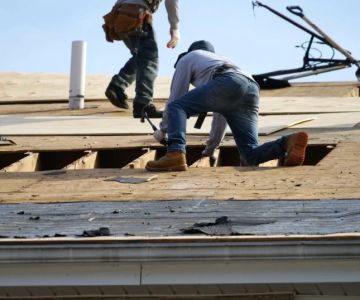
1. Extensive Damage: If your roof has sustained significant damage, such as a large number of missing shingles or structural issues, it’s best to call a professional roofer to assess and repair the damage.
2. Safety Concerns: If you notice leaks or damage in hard-to-reach areas or if you’re unsure about the extent of the damage, it’s important to call a professional to ensure that the repairs are done safely and effectively.
3. Roof Replacement: If your roof is old or has sustained multiple repairs, it may be time to replace the entire roof. A professional roofer can help you choose the best materials and ensure the job is done properly.
 KC Roofing, LLC4.0 (160 reviews)
 The Columbia Roofers5.0 (13 reviews)
 Shell Roofing Solutions5.0 (6 reviews)
 GA #1 Exteriors LLC/PCS5.0 (122 reviews)
 Sanders Construction & Home Improvement4.0 (22 reviews)
 C J's Home Improvements2.0 (7 reviews)
 Roof Material Recycling: Options & Environmental Impact Explained
 Everything You Need to Know About Roof Inspections
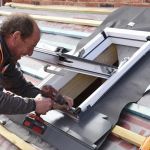 How Roof & Window Flashing Work Together to Prevent Leaks
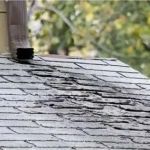 How to Decide Whether to Repair or Replace Your Roof
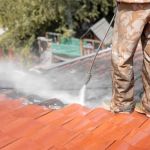 How to Clean Your Roof Safely Without Causing Damage
 Siding Longevity by Climate: Hot, Cold, Humid & Dry Regions