- -Where-Roof-Leaks-Usually-Start
- -Common-Leak-Locations-Explained
- -How-Roof-Leaks-Are-Repaired
- -Real-Homeowner-Experiences
- -Preventing-Future-Roof-Leaks
1. Understanding Where Roof Leaks Begin
Homeowners often notice water stains on ceilings before they ever think about inspecting their roof. To truly understand The Most Common Roof Leak Locations and How They Are Repaired, it’s important to realize that leaks rarely start in obvious places. Water can travel along beams and surfaces before becoming visible indoors.
1.1 The Role of Weather and Aging
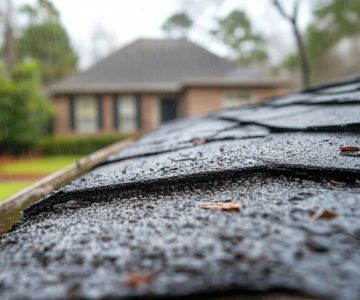
Over time, exposure to sun, rain, wind, and snow gradually weakens roofing materials. Even high-quality shingles can crack or curl, creating entry points for water.
1.2 Why Small Issues Become Big Problems
A minor crack or loose flashing might seem insignificant, but it can quickly lead to larger structural damage if ignored. Early detection is key to minimizing repair costs.
2. The Most Common Roof Leak Locations
When discussing The Most Common Roof Leak Locations and How They Are Repaired, certain areas consistently show up as problem spots. These locations are more vulnerable due to design complexity or exposure.
2.1 Roof Valleys
Roof valleys are where two roof slopes meet, directing water downward. Because they handle large volumes of water, any damage or improper sealing in these areas can quickly lead to leaks.
2.2 Flashing Around Chimneys and Vents
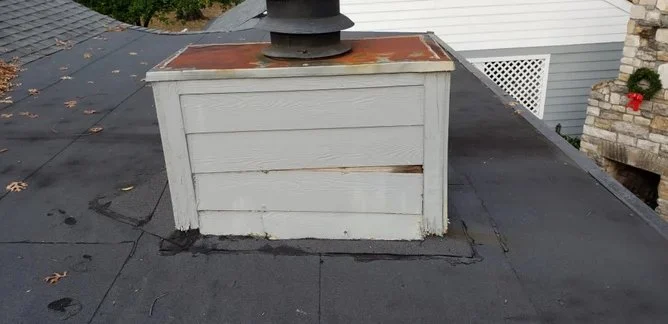
Flashing is used to seal joints where the roof meets vertical structures. Over time, flashing can corrode, loosen, or crack, making it one of the most common leak sources.
2.3 Damaged or Missing Shingles
Strong winds and storms can dislodge shingles, exposing the underlying layers. Once this happens, water can seep in during the next rainfall.
2.4 Skylights and Roof Penetrations
Skylights, pipes, and vents all create openings in the roof. If these areas are not properly sealed, they can become entry points for water.
3. How Roof Leaks Are Typically Repaired
Knowing The Most Common Roof Leak Locations and How They Are Repaired helps homeowners take the right action quickly. Repair methods vary depending on the cause and severity of the leak.
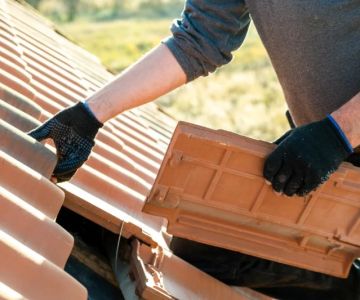
3.1 Replacing Damaged Shingles
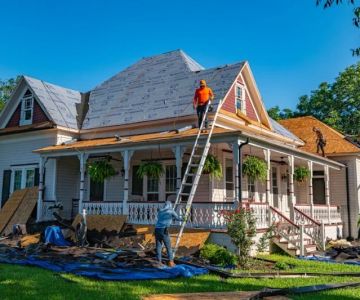
If shingles are cracked or missing, they can be replaced individually. This is often one of the simplest and most cost-effective repairs.
3.2 Repairing or Replacing Flashing
Flashing issues are usually resolved by resealing or installing new flashing. Proper installation is critical to prevent future leaks.
3.3 Sealing Roof Penetrations
Specialized sealants or boots are used to secure areas around vents and pipes. These materials create a waterproof barrier that prevents leaks.
3.4 Addressing Structural Issues
In more severe cases, underlying roof decking or supports may need repair. This ensures the roof remains stable and leak-free over time.
4. Real Stories from Homeowners
Many homeowners only learn about The Most Common Roof Leak Locations and How They Are Repaired after dealing with unexpected problems.
4.1 The Hidden Valley Leak
One homeowner discovered a leak after noticing a faint stain on their ceiling. A professional inspection revealed a damaged roof valley that had been allowing water in for months. A targeted repair fixed the issue without requiring a full roof replacement.
4.2 Storm Damage Surprise
After a heavy storm, another homeowner found shingles scattered across their yard. The missing shingles led to a leak that quickly worsened. Prompt replacement prevented further interior damage.
5. Preventing Roof Leaks Before They Start
Prevention is always more cost-effective than repair. Taking proactive steps can help you avoid dealing with the most common roof problems.
5.1 Regular Roof Inspections
Scheduling inspections at least once a year helps identify weak spots early. This is especially important after severe weather events.
5.2 Keeping Gutters Clean
Clogged gutters can cause water to back up onto the roof, increasing the risk of leaks. Regular cleaning ensures proper drainage.
5.3 Using Reliable Resources for Maintenance
When it comes to repairs or upgrades, having access to quality materials and guidance is essential. Platforms like Total Roofing Hub can help you find trusted solutions tailored to your roofing needs.
By understanding where leaks commonly occur and how they are repaired, you can protect your home, reduce long-term costs, and maintain peace of mind through every season.
 Colony Roofing and Handyman Services5.0 (1 reviews)
 GR Repair & Maintenance5.0 (23 reviews)
 Mr Paint5.0 (7 reviews)
 Hometown Roofing4.0 (33 reviews)
 Mighty Dog Roofing5.0 (1 reviews)
 American Siding Construction4.0 (27 reviews)
 How to Match Roof Shingles with Your Siding Color – Expert Tips for Perfect Home Design
 Role of Roof Sheathing Moisture Barrier: Why It’s Essential for Your Roof
 How Local Building Codes Influence Your Roof & Siding Choices
 The Best Roofing Materials for Cold Climates
 Top 10 Signs Your Roof Needs Immediate Repair Before It’s Too Late
 Flat Roof vs Sloped Roof: Pros, Cons & Typical Costs