- 1. Common Roof Installation Mistakes
- 2. Signs Your Roof Was Installed Incorrectly
- 3. How to Fix Roof Installation Issues
- 4. Choosing the Right Roofing Contractor
- 5. Preventing Future Roofing Problems
1. Common Roof Installation Mistakes
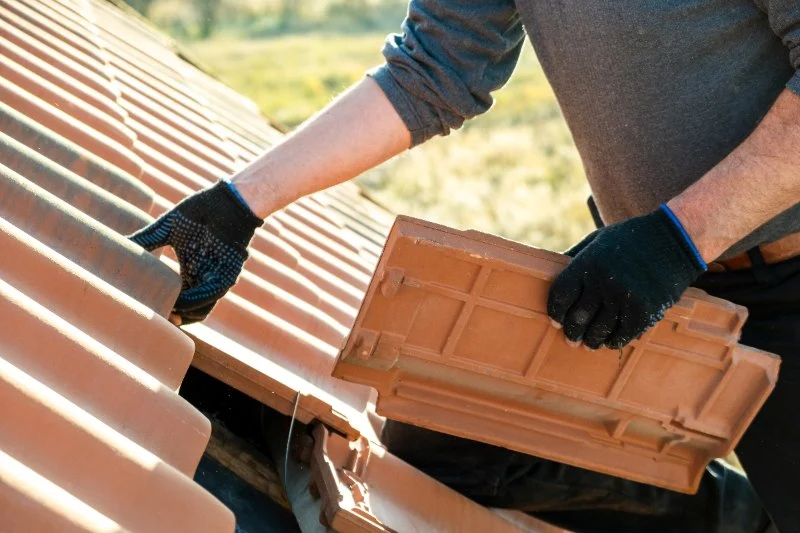
Roof installation is a complex process that requires proper planning and skilled labor. Unfortunately, many homeowners encounter issues due to poor installation practices. Some common mistakes include improper flashing, poor ventilation, and using low-quality materials. These issues not only compromise the lifespan of your roof but can also lead to costly repairs in the future.
Other common mistakes include:
- Incorrect shingle alignment
- Inadequate underlayment installation
- Failure to install drip edges
- Improperly nailed shingles
Understanding these issues can help you spot them early and take the necessary steps to prevent long-term damage.
2. Signs Your Roof Was Installed Incorrectly
Even if your roof appears to be in good shape, there may be underlying issues that affect its performance and longevity. Here are several key signs that your roof may have been installed incorrectly:
1. Leaks and Water Damage
Leaks are one of the most obvious signs that your roof installation was faulty. Water stains on ceilings, walls, or around the edges of windows can indicate that your roof’s flashing or underlayment is inadequate. These leaks often happen after heavy rain or snow, and they can lead to significant damage if not addressed quickly.
2. Sagging Roof
A sagging roof is a serious issue that can indicate poor installation, especially if the trusses or beams were not properly supported. Over time, this can cause major structural damage and could be dangerous if not fixed immediately.
3. Uneven Shingle Alignment
Shingles should be installed in a neat, aligned pattern. If they appear crooked or uneven, it may be a sign that they were not installed properly. Poorly aligned shingles can lead to wind uplift and allow water to penetrate the roof.
4. Missing or Damaged Shingles
Shingles that are missing or damaged early on after installation are a clear indicator of poor workmanship. They may have been nailed improperly, or the wrong type of shingles may have been used. This can cause gaps that expose your roof to the elements.
5. Poor Ventilation
If your attic feels hot or stuffy, your roof may lack proper ventilation. Poor ventilation can lead to the buildup of heat and moisture, which can cause premature wear and tear on shingles and lead to mold growth.
3. How to Fix Roof Installation Issues
Once you've identified that your roof was installed incorrectly, it's important to address the issues as soon as possible to prevent further damage. Here are some solutions to common roofing problems:
1. Fixing Leaks
To fix leaks, start by identifying the source of the water infiltration. This could involve inspecting the roof's flashing, shingles, or underlayment. In some cases, you may need to replace damaged shingles or apply a sealant to the flashing. If you're unable to locate the leak, it’s best to call a professional roofer to perform a detailed inspection.
2. Correcting a Sagging Roof
If your roof is sagging, it’s essential to address the issue immediately. This may involve reinforcing the roof structure or replacing weakened beams. A professional roofer will assess the severity of the sagging and suggest the appropriate repairs, such as reinforcing trusses or installing new supports.
3. Re-aligning Shingles
To correct misaligned shingles, a professional will need to remove the affected shingles and reinstall them correctly. If the shingles are damaged, they may need to be replaced altogether. Ensuring that the shingles are properly nailed and aligned will help prevent future issues.
4. Replacing Missing or Damaged Shingles
If shingles are missing or damaged, they should be replaced as soon as possible. This prevents water from entering the roof and causing further damage. It's essential to use the same type of shingles as those already installed to maintain the roof's integrity and appearance.
5. Improving Ventilation
To improve ventilation, you may need to install or repair ridge vents, soffit vents, or gable vents in the attic. Proper airflow helps maintain the roof's temperature, prevents moisture buildup, and extends the life of your shingles.
4. Choosing the Right Roofing Contractor
If you suspect that your roof has been installed incorrectly, it's essential to hire a qualified roofing contractor to fix the problem. Here’s how to find the right professional for the job:
1. Look for Licensed and Insured Contractors
Ensure that the contractor you choose is licensed and insured to work in your state. This protects you in case of accidents or further damage during the repair process.
2. Get Multiple Quotes
It’s always a good idea to get multiple quotes from different contractors. This allows you to compare pricing and services, ensuring that you get the best deal for your roofing repairs.
3. Read Reviews and Check References
Check online reviews and ask the contractor for references from previous clients. This will give you insight into their quality of work and professionalism. Avoid contractors who cannot provide credible references or have negative reviews.
4. Ask for a Detailed Written Estimate
Request a detailed written estimate that outlines the scope of work, materials to be used, and the timeline for completion. This ensures that there are no hidden costs and that both parties are on the same page.
5. Preventing Future Roofing Problems
Once you’ve addressed the immediate issues with your roof, it’s essential to take steps to prevent future problems:
1. Regular Inspections
Have your roof inspected regularly, especially after heavy storms or extreme weather. Regular maintenance helps identify issues before they become major problems.
2. Proper Roof Maintenance
Clean gutters, remove debris, and ensure that your roof’s ventilation is working properly. Taking care of these small tasks can extend the life of your roof and prevent major issues down the road.
3. Work with a Reputable Contractor
Always hire experienced and reputable contractors for any roof repairs or replacements. This will ensure that your roof is installed correctly and that future issues are minimized.
For more information or to schedule a professional roof inspection, visit Total Roofing Hub for the best products, services, and roofing solutions.
 Timber Hill Exteriors5.0 (1 reviews)
 Sierra Roof Inc.3.0 (54 reviews)
 Better Construction Llc0.0 (0 reviews)
 Mendez Contractor Inc4.0 (6 reviews)
 Allphase Construction & Roofing LLC4.0 (73 reviews)
 JC's Aluminum & Seamless Gutters, "LLC3.0 (8 reviews)
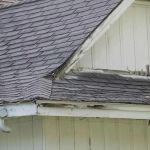 How to Deal with Roof Sagging and Structural Issues: Expert Tips
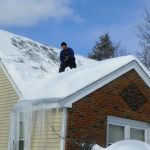 How to Protect Your Roof from Heavy Snow
 How Much Does a New Roof Cost in 2025?
 Roof Repair After Fire Damage: What’s Involved
 The Impact of Roofing Waste & Recycling on Costs
 What’s the Best Time of Year to Replace Your Roof?