1. Why Preventing Roof Leaks Before the Rainy Season is Crucial
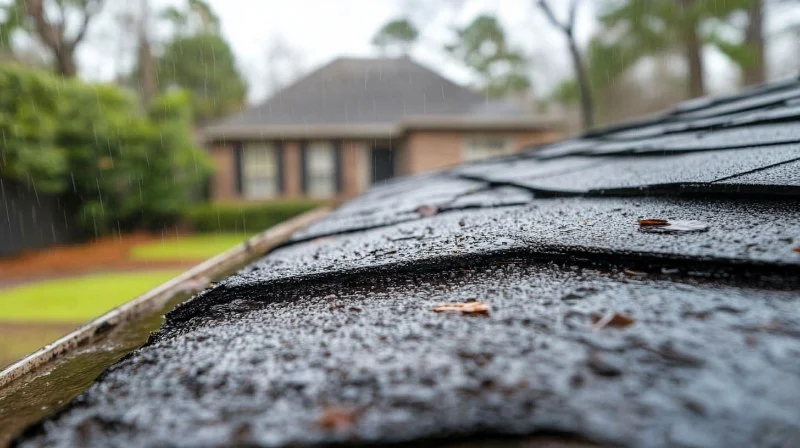
As the rainy season approaches, ensuring that your roof is in top condition becomes essential to prevent water damage and costly repairs. Roof leaks are not only inconvenient but can also lead to significant structural issues if left unchecked. Whether you're dealing with an old roof or a newly installed one, taking preventive measures to avoid leaks can save you time, money, and stress. In this article, we’ll walk you through the steps you can take to keep your roof safe from leaks before the rainy season starts.
2. Common Causes of Roof Leaks
To effectively prevent roof leaks, it's important to understand the common causes that lead to them. Knowing these causes will help you identify potential problem areas and take action before they worsen.
Ozinga Roof & Gutter Systems LLC
SharpsvilleMercer CountyPennsylvania
200 Hickory St, Sharpsville, PA 16150, USA
2.1. Damaged Shingles
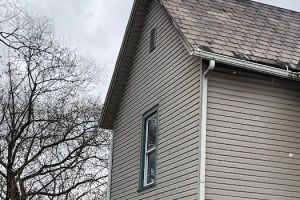
Over time, shingles can become cracked, curled, or missing altogether. These damaged shingles allow water to seep into the roof and eventually leak into your home. Regular inspection of shingles is crucial, especially before the rainy season.
2.2. Clogged Gutters
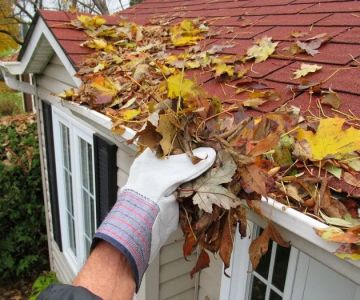
When gutters are clogged with leaves, debris, or dirt, water can overflow and seep under the roofing material. This can lead to water accumulation, causing leaks in the roof. Ensuring that your gutters are clear before the rainy season is one of the easiest ways to prevent roof leaks.
2.3. Faulty Flashing
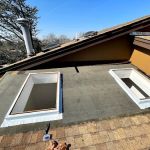
Flashing is a protective material installed around roof penetrations, such as chimneys, skylights, and vents. Over time, flashing can become loose or damaged, allowing water to infiltrate the roof. Properly inspecting and resealing flashing is essential to preventing leaks during the rainy season.
2.4. Roof Age and Wear
The age of your roof is a significant factor in its susceptibility to leaks. Older roofs are more likely to suffer from wear and tear, which increases the likelihood of leaks. If your roof is approaching the end of its lifespan, it may be time to consider replacing it to avoid future issues.
3. Essential Steps to Prevent Roof Leaks Before the Rainy Season
Now that you know the common causes of roof leaks, let's explore some practical steps you can take to prevent them before the rainy season hits.
3.1. Perform a Thorough Roof Inspection
Start by inspecting your roof thoroughly to identify any areas of concern. Look for damaged, cracked, or missing shingles, and check for any signs of wear around the flashing, vents, and chimneys. Pay close attention to areas where water may accumulate or pool, as these are more likely to develop leaks during heavy rain.
3.2. Clean and Maintain Gutters
Clogged gutters are one of the primary causes of roof leaks. Clean your gutters thoroughly, removing leaves, twigs, and debris that may have accumulated. Ensure that the downspouts are free from blockages and that water flows freely away from your home. Consider installing gutter guards to prevent future clogs and keep your gutters functioning properly.
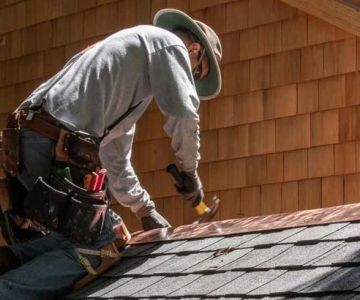
3.3. Repair or Replace Damaged Shingles
Check for damaged or missing shingles and replace them as needed. If you notice any shingles that are curled or cracked, it’s important to address the issue immediately before the rainy season starts. Missing or damaged shingles can allow water to seep under the roof, leading to leaks. If you're unsure about how to replace shingles, it's best to call a professional roofer for assistance.
3.4. Seal and Repair Flashing
Inspect the flashing around chimneys, skylights, and vents. Look for any gaps, rust, or damage that could cause water to leak through. Reseal any gaps using roofing cement or a similar sealant, and replace damaged flashing to ensure a watertight seal.
3.5. Check for Moss and Algae Growth
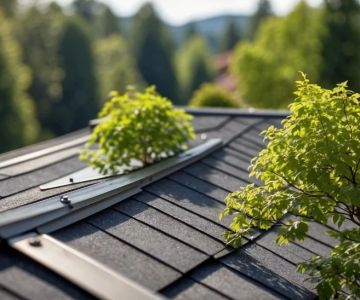
Moisture and humidity can lead to the growth of moss and algae on your roof, which can trap water and cause leaks. If you notice any growth on your roof, use a moss and algae remover or contact a professional to clean the roof. Regular maintenance can help extend the life of your roof and prevent leaks caused by these issues.
4. When to Call a Professional Roofing Contractor
While many roof maintenance tasks can be performed by homeowners, some issues require the expertise of a professional roofer. If you're unsure about the condition of your roof or if you notice significant damage, it's always a good idea to call a roofing contractor. Professional roofers can perform a more thorough inspection and provide solutions that ensure your roof is ready for the rainy season.
4.1. Signs You Need a Professional Inspection
- If your roof is older than 15-20 years and shows signs of wear.
- If there is significant damage to shingles or flashing.
- If you notice water stains on your ceiling or walls, indicating an existing leak.
- If you’re unsure how to properly maintain or repair certain aspects of your roof.
Getting a professional inspection before the rainy season can help prevent leaks and ensure your roof is fully prepared for harsh weather conditions.
5. Conclusion: Keep Your Roof Leak-Free Before the Rainy Season
Preventing roof leaks before the rainy season starts requires regular maintenance and attention to detail. By performing a thorough inspection, cleaning your gutters, replacing damaged shingles, and sealing flashing, you can reduce the risk of leaks and keep your home protected. For the best roofing products and services, visit Total Roofing Hub to find expert solutions for your roof’s needs.

 HOME RENOVATIONS JAX LLC5.0 (113 reviews)
 Latin roofing siding llc1.0 (1 reviews)
 Veirs Kluk Roofing4.0 (36 reviews)
 Georgia Home Windows4.0 (45 reviews)
 Rodriguez Roofing4.0 (83 reviews)
 Golden Team Remodeling Group5.0 (36 reviews)
 How to Budget for a Roof Replacement Project: A Step-by-Step Guide
 What to Expect During a Roof Inspection | Total Roofing Hub
 Maintaining Wood Siding: Protection Against Rot and Pests
 Siding Replacement Planning: Phased Over Time vs All at Once
 How to Choose Energy-Star Rated Siding & Roofing Materials
 How to Choose Roof Material Based on Snow Load: Essential Tips for Winter Protection