
- 1. Understanding Roof Structural Issues
- 2. The Importance of Roof Maintenance
- 3. Common Causes of Roof Structural Damage
- 4. How to Prevent Roof Structural Issues
- 5. Real-Life Case Study: Preventing Roof Damage
1. Understanding Roof Structural Issues
Roof structural issues can range from minor damage to severe problems that require expensive repairs or full replacement. Structural problems can affect the integrity of your roof, leading to leaks, water damage, and even structural collapse in the worst cases. Common roof issues include sagging, cracking, missing shingles, or broken rafters. Understanding the potential risks to your roof can help you take proactive measures to prevent these issues from occurring.
Identifying structural problems early on is key to preventing expensive repairs. Regular maintenance and inspection of your roof can significantly extend its lifespan and save you from costly repairs down the line.

Sun Coast Roofing & Solar
New Smyrna BeachVolusia CountyFlorida
1919 N Dixie Fwy, New Smyrna Beach, FL 32168, USA
2. The Importance of Roof Maintenance
Regular roof maintenance is essential to keeping your roof in top condition. A well-maintained roof will last longer and protect your home from the elements. Without regular inspection and care, small problems can turn into bigger issues, potentially affecting the structure of your home.
Roof maintenance involves inspecting your roof for any damage, cleaning gutters, removing debris, and checking for signs of wear and tear. Keeping your roof in good condition not only helps prevent structural issues but also improves energy efficiency by maintaining proper insulation and ventilation.

3. Common Causes of Roof Structural Damage
Several factors contribute to roof structural issues. The following are the most common causes of roof damage:
3.1 Weather Damage
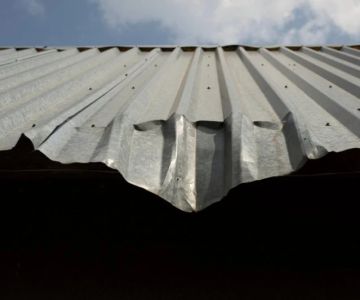
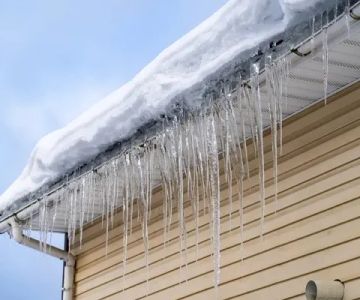
Weather plays a major role in the condition of your roof. Extreme weather conditions, such as heavy rains, snow, high winds, and hail, can cause significant damage to your roof. Over time, exposure to harsh weather can cause shingles to curl, crack, or become loose, leading to leaks and structural problems.
3.2 Poor Installation
If your roof was poorly installed, it may be more prone to structural issues. Improper installation of shingles, flashing, or other components can lead to gaps, leaks, and eventual structural damage. Hiring a professional roofing contractor with experience and expertise is crucial to ensure proper installation and long-lasting results.
3.3 Lack of Proper Ventilation
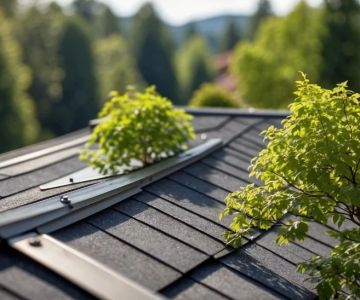
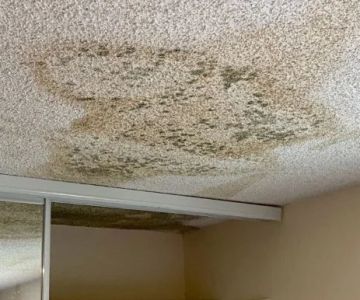
Insufficient ventilation in your attic can lead to excess heat and moisture buildup, which can damage your roof’s structure over time. Without proper airflow, your roof may become more susceptible to rot, mold, and sagging. Proper ventilation helps regulate temperature and humidity, extending the lifespan of your roof.
3.4 Accumulation of Debris
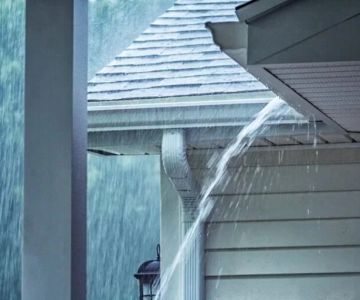
Leaves, twigs, and other debris can accumulate on your roof and in your gutters. This debris can trap moisture, causing the roof to deteriorate more quickly. Additionally, clogged gutters can lead to water backup, which can cause damage to the roof’s structure and foundation.
4. How to Prevent Roof Structural Issues
Prevention is the key to avoiding expensive roof repairs and structural issues. Here are some tips to help you protect your roof from damage:
4.1 Regular Roof Inspections
Regular roof inspections should be part of your home maintenance routine. Inspect your roof at least once or twice a year, and after severe weather events. Look for signs of damage such as loose shingles, leaks, sagging, or discoloration. Early detection of issues can prevent them from worsening and save you money on repairs.
4.2 Clean Gutters and Remove Debris
Cleaning your gutters regularly is essential to prevent water buildup and debris accumulation on your roof. Clogged gutters can cause water to overflow and seep under the shingles, leading to potential damage. Remove leaves, twigs, and other debris from your roof as well, especially during the fall and spring.
4.3 Improve Attic Ventilation
Ensure your attic has proper ventilation to prevent heat and moisture buildup. Proper ventilation reduces the risk of mold and rot, which can weaken your roof structure. If necessary, install additional vents or an attic fan to maintain airflow.
4.4 Hire Professional Roofers for Repairs
If you notice any issues with your roof, it’s best to call a professional roofer to assess the damage and make repairs. DIY repairs may save money initially, but improper fixes can cause more damage in the long run. Hiring an expert ensures that repairs are done correctly and safely.
5. Real-Life Case Study: Preventing Roof Damage
In a recent case, a homeowner named Tom noticed that his roof had a small leak near the chimney. He decided to take action by calling a professional roofer for an inspection. The roofer discovered that the leak was caused by damaged flashing and missing shingles, which allowed water to seep into the roof’s structure.
After the necessary repairs were made, the roofer also suggested installing better attic ventilation and regular gutter cleaning to prevent future issues. Tom followed these recommendations, and his roof has since remained in excellent condition, avoiding further structural damage.
If you're concerned about your roof's condition, don't wait for small issues to become major problems. Check out Total Roofing Hub for roofing materials, professional services, and expert advice to protect your home from roof damage.
 Paragon Roofing Inc5.0 (41 reviews)
 Perkins Roofing4.0 (170 reviews)
 FBS Roofing4.0 (26 reviews)
 SMH Construction LLC1.0 (13 reviews)
 Gardena Roofing4.0 (23 reviews)
 Roofing Built To Last5.0 (20 reviews)
 How to Match Roof Shingles with Your Siding Color: Tips for a Cohesive Home Look
 How Roofing and Siding Contribute to Home Comfort & Indoor Climate Control
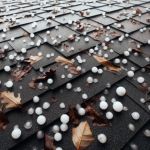 How to Spot Hail Damage on Your Roof | Quick Guide for Homeowners
 Siding Contractor Red Flags: What to Watch For
 How Roof & Siding Quality Can Reduce Pest Entry and Protect Your Home
 How to Maintain Your Siding Year Round: Seasonal Tips and Care