
- Understanding-Ice-Dams-and-Winter-Roof-Damage
- How-Roof-Ventilation-Prevents-Ice-Dams
- Key-Components-of-a-Proper-Roof-Ventilation-System
- Signs-Your-Roof-May-Have-Ventilation-Problems
- Real-Homeowner-Story-About-Ice-Dam-Damage
- Additional-Ways-to-Reduce-Ice-Dam-Risk
- Finding-Reliable-Roofing-Guidance
1. Understanding Ice Dams and Winter Roof Damage
Winter can be beautiful, but it also brings serious challenges for homeowners, especially in colder regions of the United States. One of the most common and damaging winter roofing problems is the formation of ice dams. Understanding why roof ventilation is essential for preventing ice dams in winter begins with knowing how these icy barriers form.
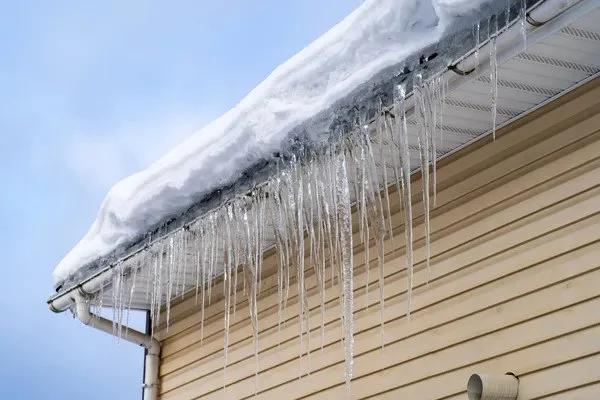
Ice dams develop when heat escapes from the home into the attic, warming the roof surface. Snow on the roof begins to melt and flows down toward the colder edges of the roof. When that melted water reaches the colder eaves, it refreezes and forms a ridge of ice.
As more snow melts, water becomes trapped behind the ice ridge and can seep beneath shingles, eventually entering the attic or interior walls.
1.1 Why Ice Dams Cause Serious Damage
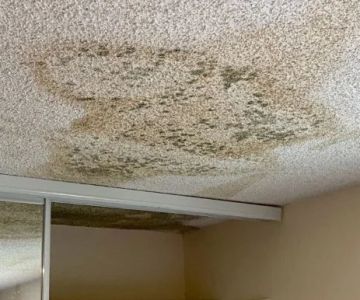
Ice dams can lead to several costly problems, including roof leaks, damaged insulation, stained ceilings, and mold growth. Over time, repeated ice dam formation may weaken roofing materials and shorten the lifespan of the entire roof structure.

One Stop Painting & Renovating
PlymouthPlymouth CountyMassachusetts
55 Treetop Way, Plymouth, MA 02360, USA
1.2 Homes Most at Risk
Homes located in colder climates with heavy snowfall are especially vulnerable. Houses with poor attic ventilation or uneven roof temperatures are far more likely to experience ice dam formation.
2. How Roof Ventilation Prevents Ice Dams
The key to preventing ice dams lies in maintaining a consistent roof temperature. Proper roof ventilation allows cold air to circulate through the attic while allowing warm air to escape, keeping the roof surface cold enough to prevent snow from melting unevenly.
2.1 Maintaining Consistent Roof Temperature
When an attic is properly ventilated, the temperature of the roof deck stays close to the outside air temperature. This prevents patches of melting snow that lead to ice accumulation along roof edges.
2.2 Removing Excess Moisture
Ventilation not only controls heat but also removes moisture from the attic. Excess moisture can damage insulation, weaken wooden structures, and contribute to mold growth.
2.3 Improving Overall Roof Lifespan
By maintaining stable attic conditions, roof ventilation reduces stress on roofing materials and helps extend the life of shingles and other roof components.
3. Key Components of a Proper Roof Ventilation System
An effective ventilation system relies on a balanced airflow system that allows air to enter and exit the attic properly.
3.1 Intake Vents
Intake vents are typically installed along the roof’s eaves or soffits. These vents allow cool outdoor air to enter the attic space.
3.2 Exhaust Vents
Exhaust vents are usually located near the roof ridge. These vents allow warm air and moisture to escape from the attic.
3.3 Balanced Airflow
For optimal performance, the amount of intake airflow should roughly match the exhaust airflow. Balanced ventilation ensures consistent circulation throughout the attic.
4. Signs Your Roof May Have Ventilation Problems
Many homeowners do not realize their attic ventilation is inadequate until problems begin to appear.
4.1 Uneven Snow Melting
If parts of your roof melt snow quickly while other areas remain covered, it may indicate uneven attic temperatures.
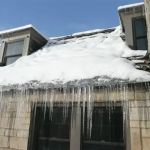
4.2 Large Icicles Along the Roof Edge
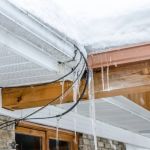
While small icicles are common in winter, large clusters often signal that melting snow is refreezing along the eaves.
4.3 Moisture or Mold in the Attic
Excess humidity in the attic may appear as condensation on wood surfaces, damp insulation, or even mold growth.
5. Real Homeowner Story About Ice Dam Damage
A homeowner in Minnesota once noticed large icicles forming along the edge of their roof after a heavy snowstorm. At first, the icicles seemed harmless, but within a few weeks water stains appeared on the ceiling inside the home.
After contacting a roofing professional, the homeowner discovered that poor attic ventilation had caused uneven roof temperatures. Snow was melting near the center of the roof and refreezing at the edges.
Once proper ridge vents and soffit vents were installed, the issue was resolved. The following winter, the roof remained evenly cold and no ice dams formed.
6. Additional Ways to Reduce Ice Dam Risk
While roof ventilation plays a major role, other steps can help reduce the risk of ice dams.
6.1 Improving Attic Insulation
Proper insulation helps prevent indoor heat from escaping into the attic. This works together with ventilation to maintain stable roof temperatures.
6.2 Sealing Air Leaks
Gaps around light fixtures, vents, and attic access points can allow warm air to escape into the attic. Sealing these leaks reduces heat buildup.
6.3 Safe Snow Removal
In areas with extremely heavy snowfall, removing excess snow from the roof using proper tools can help reduce the chance of ice dam formation.
7. Finding Reliable Roofing Guidance
Maintaining a healthy roof requires both preventive maintenance and access to reliable roofing information.
7.1 Understanding Professional Roofing Practices
Experienced roofing professionals understand how ventilation, insulation, and structural design work together to protect homes during harsh winters.
7.2 Learning About Modern Roofing Solutions
Many homeowners explore roofing resources and guides to better understand ventilation upgrades and winter roof protection strategies.
7.3 Exploring Roofing Knowledge and Resources
Homeowners interested in improving roof performance and preventing winter damage often review educational materials and recommendations available through platforms such as Total Roofing Hub, where roofing insights and maintenance strategies are frequently discussed.
Understanding why roof ventilation is essential for preventing ice dams in winter allows homeowners to protect their roofs, avoid costly repairs, and maintain a safer home throughout the cold season.
 Socorro's Roofing5.0 (8 reviews)
 Tiff's Roofer Guys4.0 (7 reviews)
 Cascade Windows - Cornerstone Building Brands2.0 (149 reviews)
 Mobile Roofing & Construction5.0 (6 reviews)
 Michael Dippel Construction Co5.0 (3 reviews)
 Dolly's Roofing, Inc.4.0 (102 reviews)
 How Roof Underlayment Prevents Ice Dams & Leaks – Essential Roofing Tips
 Top 10 Signs Your Roof Needs Immediate Repair
 What Is Ice Dam, How It Forms, and How to Prevent It on Your Roof
 What to Expect During a Roof Inspection: Essential Guide for Homeowners
 How Roof Pitch & Overhang Protect Exterior Walls: Key Benefits Explained
 Role of Roof Sheathing Moisture Barrier: Why It’s Essential for Your Roof