- Best Roofing Materials for Coastal Homes
- Challenges of Roofing in Coastal Areas
- Top Roofing Materials for Coastal Homes
- Maintenance and Durability
- Recommendations for Coastal Homeowners
Best Roofing Materials for Coastal Homes
If you live near the coast, you know how challenging it can be to maintain your home against the effects of salt air, high humidity, and intense storms. The harsh environmental conditions can quickly degrade many building materials, including roofing. Choosing the best roofing materials for coastal homes is essential for long-term protection and durability. In this article, we will explore roofing materials that stand up to salt air and coastal weather, ensuring your home stays safe and secure.

Landmark Roofing & Renovations
340 Eisenhower Dr Building 500, Savannah, GA 31406, USA
Challenges of Roofing in Coastal Areas
Roofing in coastal areas presents unique challenges that homeowners in these regions must consider. The combination of salt air, humidity, and extreme weather conditions can cause significant wear and tear on roofing materials. Here are some of the key challenges:
Doherty Exteriors Inc.
West ChesterChester CountyPennsylvania
1502 Meadowbrook Ln, West Chester, PA 19380, USA
1. Salt Air Corrosion
Salt from the ocean air can cause corrosion in many materials, particularly metals. Over time, this corrosion weakens the roofing structure and leads to leaks and other problems. It’s essential to choose materials that are resistant to salt air to protect your investment.
2. High Winds and Storms
Coastal areas often experience strong winds and storms, including hurricanes. Roofing materials must be able to withstand these intense conditions to prevent damage or complete failure during severe weather.
3. Humidity and Moisture
High humidity can cause mold and mildew growth on certain roofing materials. Additionally, moisture can promote rust and rot, leading to decreased roof lifespan. Choosing materials that are resistant to moisture and mold is crucial for maintaining a safe and dry home.
Top Roofing Materials for Coastal Homes
When it comes to roofing in coastal areas, there are several materials that offer superior protection against the elements. Below are some of the best options for homeowners looking to secure their homes:
1. Metal Roofing
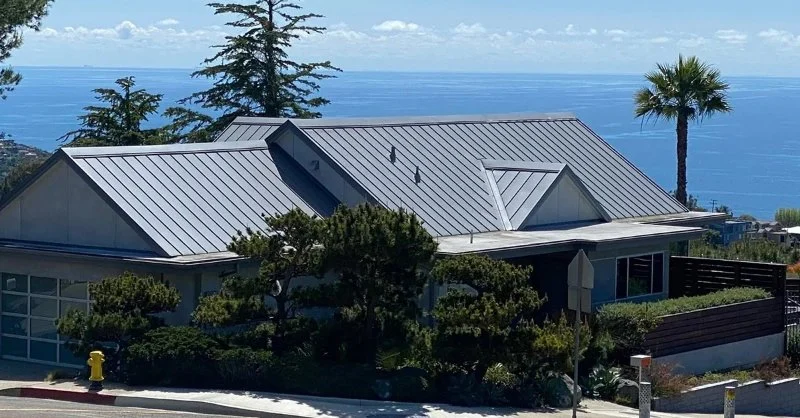
Metal roofing is one of the top choices for coastal homes due to its durability and resistance to salt air and moisture. Materials such as steel, aluminum, and copper are commonly used for coastal roofs. Metal roofs are highly resistant to corrosion, and they are capable of withstanding high winds. Additionally, they reflect heat, which helps with energy efficiency in warmer climates.
Many homeowners opt for a galvanized metal roof with a protective coating that resists rust and corrosion. Properly installed, metal roofs can last for decades and offer excellent protection against severe storms.
2. Clay or Concrete Tiles
Clay and concrete tile roofing are also popular choices for coastal homes, especially in regions with a Mediterranean or Spanish-style aesthetic. These materials are resistant to salt air, moisture, and high winds. Clay and concrete tiles are heavy and durable, making them ideal for homes in hurricane-prone areas.
However, it's important to ensure that the tiles are properly sealed to prevent moisture from seeping in. Additionally, clay and concrete tiles can be more expensive than other roofing materials, but their longevity and low maintenance costs make them a worthwhile investment in the long run.
3. Asphalt Shingles (with Special Coatings)
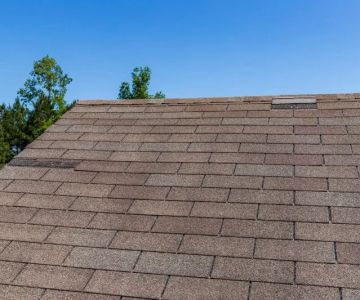
While asphalt shingles are a common roofing material, they can wear out quickly in coastal environments due to salt air and moisture. However, some manufacturers now offer specially coated asphalt shingles designed for coastal areas. These shingles feature advanced coatings that make them more resistant to corrosion and UV damage, which can significantly extend their lifespan.
Asphalt shingles are more affordable than metal or tile roofing, making them a popular option for homeowners on a budget. Be sure to choose high-quality, coastal-rated shingles to ensure durability.
4. Synthetic Roofing Materials
For homeowners looking for an eco-friendly option, synthetic roofing materials like synthetic slate and rubber roofing are becoming increasingly popular in coastal areas. These materials mimic the appearance of traditional slate or wood shake roofs but are much more durable and resistant to salt air and moisture.
Synthetic materials are also lighter than traditional roofing options, making them easier to install and less likely to suffer damage from high winds. Additionally, they require less maintenance over time, which is a significant benefit for coastal homeowners.
Maintenance and Durability
When selecting roofing materials for coastal homes, it's essential to consider not only the initial cost but also the long-term maintenance requirements. Even the most durable materials require some level of upkeep to ensure they perform optimally.
1. Regular Inspections
Coastal homeowners should perform regular roof inspections, especially after severe storms or high winds. Check for loose shingles, damaged tiles, or signs of corrosion. Addressing small issues early can prevent costly repairs in the future.
2. Cleaning and Sealing
Routine cleaning is important to remove salt deposits, debris, and mold that may accumulate on the roof. Additionally, sealing any gaps or cracks helps protect the roof from moisture damage and extends its lifespan.
3. Professional Maintenance
While DIY maintenance can help keep your roof in good condition, professional roof inspections and maintenance are recommended at least once a year. Roofing experts can identify hidden issues that may not be immediately visible to homeowners and provide necessary repairs.
Recommendations for Coastal Homeowners
Choosing the right roofing material is critical for coastal homeowners who want to protect their homes from the harsh conditions of salt air, moisture, and strong winds. Here are some key recommendations:
1. Invest in Quality Materials
While it may be tempting to choose cheaper materials, investing in high-quality roofing materials that are specifically designed for coastal environments will save you money in the long run. These materials are more durable and require less maintenance.
2. Consult with Experts
If you're unsure which roofing material is best for your coastal home, consult with a professional roofing contractor. They can help you choose the right material based on your location, budget, and aesthetic preferences.
3. Consider Energy Efficiency
In coastal areas, roofs that reflect heat can help keep your home cooler during the summer months, reducing your energy bills. Materials like metal roofing and reflective coatings can improve the energy efficiency of your home while also protecting it from the elements.
For the best roofing products and services, visit Total Roofing Hub to find expert recommendations and high-quality roofing materials suitable for coastal homes.
 Signature Roofing5.0 (72 reviews)
 Affordable Seamless Gutters and Screen Enclosures4.0 (32 reviews)
 Summit Exteriors - Roofing Rochester NY4.0 (245 reviews)
 WorleyByrd Roofing and Restoration4.0 (31 reviews)
 Parco Home Improvement Roofing & Windows - Franklin Square5.0 (103 reviews)
 Shield Solutions LLC5.0 (44 reviews)
 How to Choose Roofing Materials for Maximum Safety
 The Environmental Benefits of a Cool Roof
 The Best Roofing Materials for Cold Climates That Protect Your Home
 Roof Underlayment Tear-Off vs Overlay Costs: What You Need to Know
 Discover the Environmental Benefits of a Cool Roof for Your Home or Business
 Best Practices for Matching Roof Shingles with Siding Colors for a Cohesive Look