
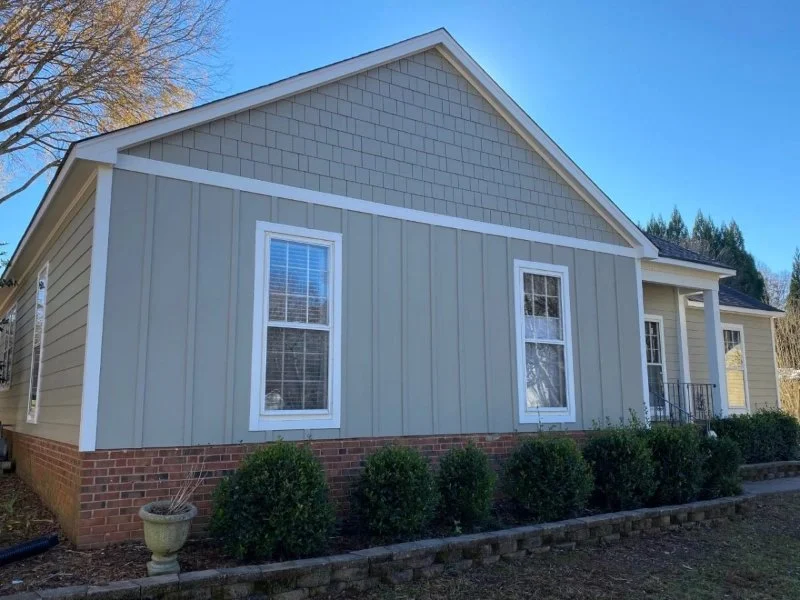
- Why Consider a Siding Blend for Your Home?
- Aesthetic Appeal: Mixing Materials for Visual Impact
- Functional Appeal: Durability and Protection
- How to Choose the Right Siding Materials for Blending
- Real-Life Examples of Successful Siding Blends
Why Consider a Siding Blend for Your Home?
Siding is one of the first things people notice about a home. It's not just about curb appeal—siding serves an important role in protecting your home from the elements. But what if you could do both: enhance the aesthetic appeal of your home and increase its functionality? That’s where siding blends come in.
Blending different siding materials can help you create a unique and customized exterior. Whether you're aiming for a rustic look, modern elegance, or a more traditional vibe, mixing materials like wood, vinyl, metal, or fiber cement offers both visual and practical benefits. But how do you achieve the perfect blend?

Aesthetic Appeal: Mixing Materials for Visual Impact
When it comes to blending siding materials, one of the most compelling reasons is to create a visually striking home exterior. Different materials can complement each other, creating texture, contrast, and visual interest. For instance, pairing traditional wood siding with sleek metal panels can give a home an upscale, modern feel, while maintaining a natural warmth.
Using a mix of materials allows for creativity in design. You can experiment with different colors, textures, and finishes to create a combination that fits your personal style and the architectural design of your home. For example, adding a stone accent to a predominantly wooden facade gives your home a more stately, grounded look, while a pop of bold-colored fiber cement can add an unexpected modern twist to a classic design.

Functional Appeal: Durability and Protection
While aesthetics are important, the functionality of the materials you choose for your siding is just as crucial. Certain siding materials offer better protection against the elements, while others require less maintenance. For example, vinyl siding is known for its durability and low maintenance, while wood siding, though beautiful, may require more upkeep due to exposure to moisture and pests.
Blending materials can help you balance aesthetic appeal with durability. For example, combining metal or fiber cement with wood can give your home the visual appeal of a traditional material while adding the long-lasting protection of more modern options. This combination can help lower long-term maintenance costs while keeping your exterior looking great for years.
How to Choose the Right Siding Materials for Blending
Choosing the right siding materials to blend depends on several factors, such as your climate, budget, desired aesthetic, and the amount of maintenance you're willing to commit to. Here are some tips for selecting materials that will work well together:
- Consider Climate: If you live in an area with extreme weather, look for materials that can withstand the conditions. For instance, fiber cement or metal is ideal for areas prone to wildfires or heavy storms.
- Match Architectural Style: Choose siding materials that complement the architectural style of your home. For a modern design, consider mixing smooth metal panels with wood accents. For a rustic or farmhouse look, a combination of wood and stone can provide a timeless appeal.
- Focus on Durability: If you want a low-maintenance option, blend vinyl or fiber cement with a material that requires less upkeep, like stone or brick. These materials are also fire-resistant and provide additional protection.
- Stick to a Color Palette: To avoid a jarring combination, select siding materials in a complementary color palette. Neutral tones tend to work well together, but you can also experiment with bolder contrasts for a unique effect.
Real-Life Examples of Successful Siding Blends
Blending siding materials has become increasingly popular in home renovations. Here are a couple of real-life examples where siding blends have been used effectively:
One homeowner in Portland wanted to give their mid-century modern home a fresh, contemporary look. They chose to blend natural cedar wood siding with black metal panels. The contrast between the warmth of the wood and the sleekness of the metal created a striking, modern aesthetic while maintaining a connection to nature.
In another example, a suburban family decided to refresh their traditional brick home by adding fiber cement panels along the upper half of the facade. The clean lines and durability of the fiber cement complemented the sturdy, classic brick, giving the home a modern, updated feel without losing its traditional charm.
These examples demonstrate how blending siding materials can elevate a home’s appearance while enhancing its functionality. Whether you are looking to modernize a classic home or add timeless appeal to a contemporary design, a well-thought-out siding blend can work wonders.
If you're planning to give your home a fresh exterior, visit Total Roofing Hub for the best siding materials and professional advice. Our experts can help you choose the right materials for your project, ensuring that your siding blend is both beautiful and durable.



 Elevate Windows4.0 (67 reviews)
 JM Exteriors Roofing Siding5.0 (135 reviews)
 Queen City Roofing0.0 (0 reviews)
 Paramount Roofing Solutions5.0 (11 reviews)
 Falmouth Painting & Wallpaper5.0 (2 reviews)
 Woody Brothers Construction4.0 (26 reviews)
 What to Expect During a Roof Inspection with a Pro: A Comprehensive Guide
 How to Detect Hidden Roof Damage Through Interior Signs
 Why You Should Remove Snow Guards After Winter in Areas Without Snow
 Roof Ridge Cap Installation: Best Techniques for a Secure and Durable Roof
 How Often Should You Replace Your Home's Siding?
 How Roofs Age: What Changes After 5, 10, 20 Years | Total Roofing Hub