- 1. Understanding the Lifespan of Vinyl Siding
- 2. What Factors Affect the Life Expectancy of Vinyl Siding?
- 3. Tips for Maintaining Vinyl Siding
- 4. Signs Your Vinyl Siding Needs Replacing
- 5. How to Extend the Life of Your Vinyl Siding
- 6. Where to Find Professional Vinyl Siding Services
1. Understanding the Lifespan of Vinyl Siding
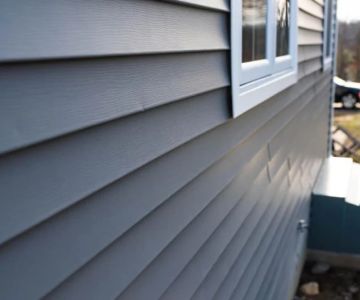
Vinyl siding is one of the most popular and durable options for home exteriors. Known for its low maintenance, versatility, and ability to withstand various weather conditions, it’s a go-to choice for homeowners. But how long does vinyl siding last, and how can you ensure it stays in top condition for years to come?
The typical lifespan of vinyl siding can range from 20 to 40 years, depending on various factors like quality, maintenance, and environmental conditions. In this article, we’ll dive into the factors that influence the life expectancy of vinyl siding and offer some practical tips on how to maintain and care for your siding to keep it looking great for as long as possible.
Alvarez Alvarez ROOFING inc
Santa AnaOrange CountyCalifornia
302 S Newhope St, Santa Ana, CA 92704, USA
2. What Factors Affect the Life Expectancy of Vinyl Siding?
Several factors can influence how long your vinyl siding will last. While vinyl siding is known for its durability, its longevity can vary based on the following conditions:

1. Quality of the Siding
The quality of the vinyl siding you choose plays a major role in its lifespan. Higher-quality vinyl siding tends to last longer and resist fading, cracking, and warping better than lower-quality options. When purchasing vinyl siding, it’s important to invest in a reputable brand and check for warranties that can give you added peace of mind.
2. Installation
Proper installation is crucial for maximizing the lifespan of your vinyl siding. Poor installation can lead to issues like loose panels, moisture infiltration, and warping. Hiring a professional to install your vinyl siding ensures it’s done correctly and can significantly increase its lifespan.
3. Climate and Weather Conditions
The climate in your area plays a big role in how your vinyl siding performs. Areas with extreme temperatures, high humidity, or frequent storms can cause wear and tear on your siding over time. UV rays from the sun can also cause fading and deterioration, especially in regions with intense sunlight.
4. Maintenance and Care
How well you maintain your vinyl siding will directly impact its longevity. Regular cleaning, prompt repairs, and ensuring proper drainage are essential for preventing damage and extending the life of your siding. Neglecting maintenance can lead to issues like algae growth, discoloration, and cracking.
3. Tips for Maintaining Vinyl Siding
Proper maintenance is key to prolonging the life of your vinyl siding and keeping it looking great. Here are some essential tips for maintaining vinyl siding:
1. Regular Cleaning
Over time, dirt, grime, and mildew can accumulate on vinyl siding, causing discoloration and damage. Regularly washing your siding with a soft cloth or a pressure washer can keep it looking fresh and prevent buildup. Use a mild detergent or a specialized cleaner designed for vinyl siding to remove stains without causing damage.
2. Inspect for Damage
Inspect your vinyl siding at least once a year for any signs of damage, such as cracks, dents, or loose panels. Early detection allows you to repair small issues before they become major problems. Replace damaged sections of siding as soon as possible to avoid further deterioration.
3. Keep Gutters Clean
Clogged gutters can lead to water pooling around your vinyl siding, which can cause moisture damage and mold growth. Make sure your gutters are clean and free-flowing to direct water away from your home and protect the siding from water-related damage.
4. Signs Your Vinyl Siding Needs Replacing
While vinyl siding is durable, it’s not immune to wear and tear. Here are some signs that your siding may need to be replaced:
1. Cracks or Holes
If you notice any cracks or holes in your vinyl siding, it may be time for a replacement. Cracks can allow moisture to seep in, leading to mold growth and structural damage. In some cases, smaller cracks can be patched, but extensive damage may require replacement.
2. Fading or Discoloration
Over time, UV rays can cause the color of your vinyl siding to fade. While some fading is normal, if your siding has become unevenly faded or discolored, it may indicate that the material is deteriorating and needs replacing.
3. Warping or Buckling
If your vinyl siding has begun to warp, buckle, or bow, this could be a sign of poor installation, excessive moisture, or prolonged exposure to extreme temperatures. This type of damage can compromise the integrity of your siding, and replacement may be necessary.
5. How to Extend the Life of Your Vinyl Siding
To get the most out of your vinyl siding, it’s important to take a few preventative measures that can help extend its lifespan:
1. Apply UV Protective Coatings
If you live in an area with intense sun exposure, consider applying a UV protective coating to your vinyl siding. This can help prevent fading and cracking caused by UV rays and keep your siding looking new for longer.
2. Improve Drainage
Ensure that your landscaping, gutters, and downspouts are properly designed to direct water away from the siding. Excess water near the foundation can cause moisture damage to the siding and the structure of your home.
3. Choose the Right Color
Lighter colors tend to reflect sunlight and heat better than darker colors, which absorb more heat and can cause the siding to warp or degrade over time. If you're choosing new vinyl siding, consider going with a lighter shade to reduce the effects of UV exposure and temperature fluctuations.
6. Where to Find Professional Vinyl Siding Services
If you need help with installing, repairing, or maintaining your vinyl siding, look no further than Total Roofing Hub. We offer professional vinyl siding services to ensure that your home’s exterior remains in top condition for years to come. Whether you need a simple repair or a full replacement, our team is here to help with expert advice and top-quality materials.

 Elevate Windows4.0 (67 reviews)
 JM Exteriors Roofing Siding5.0 (135 reviews)
 Queen City Roofing0.0 (0 reviews)
 Paramount Roofing Solutions5.0 (11 reviews)
 Falmouth Painting & Wallpaper5.0 (2 reviews)
 Woody Brothers Construction4.0 (26 reviews)
 What to Expect During a Roof Inspection with a Pro: A Comprehensive Guide
 How to Detect Hidden Roof Damage Through Interior Signs
 Why You Should Remove Snow Guards After Winter in Areas Without Snow
 Roof Ridge Cap Installation: Best Techniques for a Secure and Durable Roof
 How Often Should You Replace Your Home's Siding?
 How Roofs Age: What Changes After 5, 10, 20 Years | Total Roofing Hub