
- Why Detecting Hidden Roof Damage is Important
- Key Interior Signs of Roof Damage
- How to Conduct an Interior Roof Damage Check
- When to Call a Professional Roof Inspector
- Preventing Hidden Roof Damage
Why Detecting Hidden Roof Damage is Important
Roof damage can often go unnoticed, especially when it’s hidden behind your ceilings or walls. Most homeowners only become aware of a problem when the damage has already caused leaks or extensive structural issues. Detecting hidden roof damage early is crucial to prevent water damage, mold growth, and the need for costly repairs or replacements. By recognizing the signs of roof damage from inside your home, you can address the issue before it worsens, potentially saving both time and money.
It’s important to understand that roof damage doesn’t always present itself as visible leaks or cracks in the ceiling. Hidden damage can occur due to weather, age, or poor installation, and often takes a while to show up. Regularly checking for interior signs of roof damage can help identify issues early and ensure the long-term safety and integrity of your home.
Key Interior Signs of Roof Damage
When it comes to detecting roof damage through interior signs, there are several indicators you should watch for. These signs can help you pinpoint problems that may not be immediately visible on the exterior of your roof.
- Water Stains on Ceilings or Walls: One of the most common signs of hidden roof damage is water stains or discoloration on the ceiling or walls. These stains often indicate that water is leaking through the roof and collecting in the interior spaces of your home. The stains may be brown or yellow and can expand over time if left untreated.
- Sagging Ceilings: A sagging ceiling is a clear indicator of water accumulation, often caused by a leaking roof. If you notice any areas of your ceiling that are dipping or bulging, it’s a sign that there is water damage, and immediate action should be taken.
- Visible Mold or Mildew: Mold and mildew thrive in damp, humid environments. If you notice mold growth in your attic or along the walls of your home, it could be a sign of roof damage allowing moisture to enter. Mold is often a precursor to more severe water damage if not addressed promptly.
- Peeling Paint or Wallpaper: Water infiltration can cause paint or wallpaper to peel or bubble. This is commonly seen around the edges of windows or ceilings where the roof meets the wall. If you see peeling or bubbling in areas that are not near windows or doors, check for potential leaks in the roof above.
- Drafts or Temperature Fluctuations: Roof damage can lead to gaps and air leaks that affect the overall insulation of your home. If you feel drafts or notice temperature fluctuations in certain rooms, it may be a sign that your roof is compromised, allowing air to enter your home.
How to Conduct an Interior Roof Damage Check
Performing an interior roof damage check is an essential step in identifying hidden issues. Here’s how to conduct a thorough inspection from inside your home:
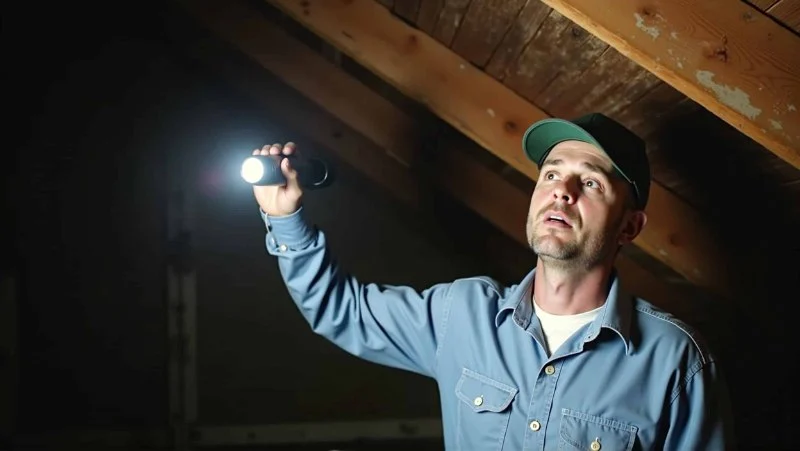
- Step 1: Inspect the Attic: The attic is one of the most important areas to check for hidden roof damage. Look for signs of water stains, mold, or damp insulation. Pay attention to any daylight visible through the roof beams, as this could indicate holes or gaps in the roof.
- Step 2: Check for Water Stains: Go through your home and look for water stains on ceilings, walls, and around windows. Take note of any brown or yellow stains that could signal roof leaks.
- Step 3: Examine Ceiling and Walls: In rooms directly under the roof, look for any sagging areas or peeling paint. These could be signs of moisture buildup behind the walls or ceiling.
- Step 4: Check for Mold: If you notice a musty smell or see mold growing in corners, around ceiling vents, or near roof intersections, there could be water infiltration due to roof damage.
When to Call a Professional Roof Inspector
While it’s important to conduct your own interior checks, there are times when it’s best to call a professional to inspect your roof. If you notice signs of hidden damage, such as large water stains, significant mold growth, or sagging ceilings, it’s crucial to get an expert opinion. A professional roof inspector has the experience and tools to identify roof damage that may be difficult to spot with the naked eye, including hidden leaks, structural issues, or damage caused by wear and tear.
Roof inspectors can also provide you with a comprehensive report of the condition of your roof and recommend the necessary repairs or maintenance to address the issue. In many cases, early intervention can prevent more expensive repairs down the line, so don’t hesitate to call in a professional when in doubt.
Southern Guardian Roofing
ChattanoogaHamilton CountyTennessee
2600 Reid Dr, Chattanooga, TN 37421, USA
Preventing Hidden Roof Damage
Preventing hidden roof damage starts with proactive maintenance. Regular roof inspections, both inside and outside your home, can help catch small problems before they turn into major issues. Here are a few steps you can take to reduce the risk of hidden damage:
- Regular Roof Inspections: Have a professional roofing contractor inspect your roof at least once a year. This can help identify wear and tear, damage from storms, or any other potential issues that may not be visible from the ground.
- Maintain Gutters and Downspouts: Clean your gutters and downspouts regularly to ensure that water is properly directed away from your roof and foundation. Clogged gutters can lead to water backing up and damaging your roof.
- Address Issues Quickly: If you notice any signs of roof damage, such as water stains or mold, address them immediately. The longer you wait, the more likely the damage will spread and cause further issues.
If you need high-quality roofing products or professional services, visit Total Roofing Hub. We offer a variety of roofing materials and expert services to help you maintain and repair your roof effectively.

 IES Roofing Services4.0 (127 reviews)
 Teixeira Construction Remodel Inc4.0 (40 reviews)
 Junior's Contracting0.0 (0 reviews)
 State Roofing Company4.0 (36 reviews)
 Quality Roofing Services4.0 (58 reviews)
 Volusia-Flagler Roofing, LLC5.0 (63 reviews)
 How to Prepare Your Roof for Solar Panel Installation
 The Best Roofing Materials for Cold Climates – Top Choices for Winter Protection
 Best Time of Year to Replace Your Roof: A Seasonal Guide for Homeowners
 Roof Talk: Common Terminology Every Homeowner Should Know
 Repairing Siding After Storm Damage: A Comprehensive Guide
 Top Questions to Ask a Roofing Contractor Before Hiring