- Why Roof Snow Removal Is Important
- Safety Tips for Roof Snow Removal
- Do's and Don’ts of Roof Snow Removal
- How to Remove Snow from Your Roof Safely
- Real-Life Example: Safe Roof Snow Removal
- Recommendations from Total Roofing Hub
Why Roof Snow Removal Is Important
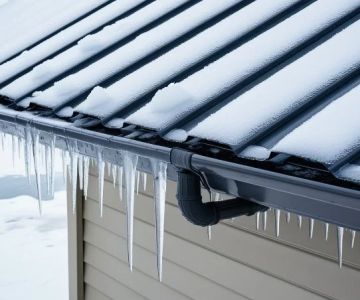
Snow accumulation on your roof may look picturesque during the winter months, but it can also pose significant risks to your home. Heavy snow and ice can put immense pressure on your roof structure, potentially leading to leaks, damaged shingles, and even structural failure. One of the most dangerous issues caused by snow buildup is the formation of ice dams, which can block the natural flow of melting snow and cause water to back up under your shingles. This water can then leak into your home, causing water damage to your ceilings, walls, and insulation.
By removing snow from your roof, you can prevent these hazards and maintain the integrity of your roof. It also ensures that your home remains safe and secure, avoiding the costly repairs that come with winter-related damage.
Completely Custom Roofing
NazarethNorthampton CountyPennsylvania
190 Longenbach Ave, Nazareth, PA 18064, USA
Safety Tips for Roof Snow Removal
While roof snow removal is essential, it's also crucial to approach it safely. Here are some key safety tips to follow when clearing snow from your roof:
1. Use Proper Equipment
When removing snow from your roof, it's important to use the right tools. A roof rake with a telescoping handle can help you reach snow on the lower sections of the roof without having to climb. Avoid using sharp tools or equipment that could damage your roofing materials, as this can lead to further problems.
2. Never Climb on a Snow-Covered Roof
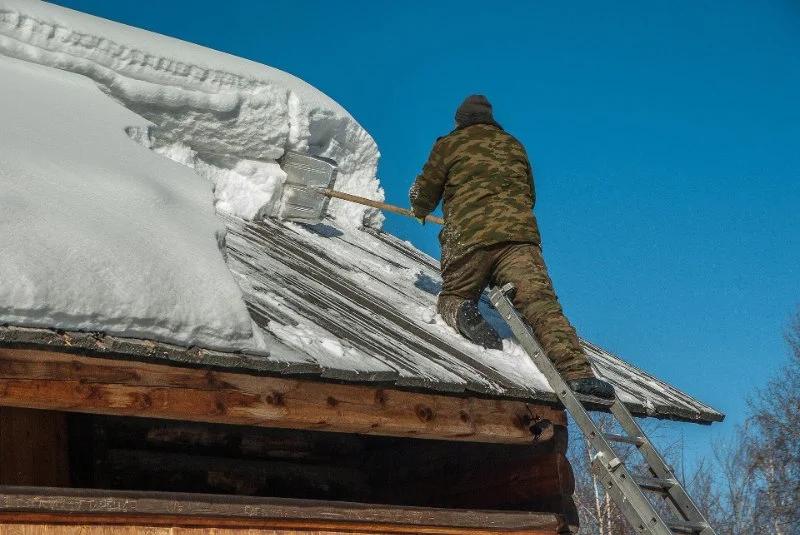
Climbing onto a snow-covered roof can be incredibly dangerous. The surface may be slippery, increasing the risk of falling. Instead of climbing, use a roof rake from the ground to remove snow safely. If you need to get onto the roof, hire a professional who has the proper training and equipment for safe roof access.
3. Avoid Removing Too Much Snow at Once
When removing snow, don’t try to clear the entire roof at once. Start from the edges and work your way towards the center, removing small sections at a time. This will prevent overloading one area of your roof and reduce the risk of damaging your shingles or causing structural stress.
4. Be Mindful of Falling Ice and Debris
As you remove snow from your roof, be aware that ice and debris may fall off. Wear safety gear such as goggles and a hard hat to protect yourself from falling objects. Clear the area below the roof of people, pets, and vehicles to avoid injury or damage.
Do's and Don’ts of Roof Snow Removal
When it comes to roof snow removal, there are certain do’s and don’ts to keep in mind. Here are some of the most important guidelines to follow:
Do’s
1. Do clear the edges of the roof first. Start by clearing the edges of your roof, where snow and ice are most likely to accumulate. This will allow the rest of the snow to slide off naturally.
2. Do hire a professional if needed. If you don’t feel comfortable removing snow from your roof, or if you have a particularly high or steep roof, hire a professional roofing contractor to handle the job. They have the necessary equipment and experience to do it safely.
3. Do inspect your roof after snow removal. After clearing the snow, inspect your roof for any signs of damage, such as cracked shingles, leaks, or ice dam formation. Early detection can save you from costly repairs down the line.
Don’ts
1. Don’t use a shovel or sharp tools. Using hard, sharp tools to remove snow can damage your shingles or other roofing materials. Stick to a roof rake or soft snow removal tools that won’t scratch or dent your roof.
2. Don’t ignore ice dams. If you notice the formation of ice dams along the edges of your roof, don’t ignore them. Ice dams can cause severe water damage to your home. Use a roof rake or hire a professional to remove the ice safely.
3. Don’t wait too long to remove snow. The longer snow stays on your roof, the greater the risk of damage. Make sure to clear the snow as soon as possible to avoid unnecessary stress on your roof.
How to Remove Snow from Your Roof Safely
Now that you understand the importance of safety during roof snow removal, here’s how to go about it:
1. Start by Using a Roof Rake
Begin by using a roof rake with a long, extendable handle to remove the snow from the edge of your roof. Work in small sections to gradually remove the snow, but avoid getting too close to the edge of the roof. Rake the snow downward to allow it to fall away naturally.
2. Work in Sections
Instead of attempting to clear the entire roof in one go, focus on clearing small sections at a time. This will reduce the strain on your roof and make the process safer and more manageable.
3. Remove Ice Dams with Caution
If you spot ice dams forming on your roof, it’s essential to remove them carefully. You can use a roof rake to gently dislodge the ice, or you may need to call a professional to handle the situation if the ice is particularly thick or difficult to remove.
Real-Life Case Study: Safe Roof Snow Removal
After a heavy snowstorm in New York, the Johnson family noticed large snowdrifts accumulating on their roof. Concerned about the risk of ice dams and roof damage, they decided to hire a professional roofing company to safely remove the snow. The company used an extendable roof rake to clear the edges and ensure the snow was evenly removed. As a result, the Johnsons avoided potential roof damage and were able to enjoy a peaceful winter without worrying about leaks or structural issues.
Recommendations from Total Roofing Hub
If you’re looking for expert advice on roof snow removal or need professional help, Total Roofing Hub can connect you with trusted roofing contractors. They provide roof inspection, snow removal, and maintenance services to ensure your roof remains safe and secure throughout the winter. Visit Total Roofing Hub to find the right contractor for your roofing needs.
 Hewitt's Home Improvements LLC5.0 (4 reviews)
 Moran Drywall Inc.5.0 (5 reviews)
 C and D contracting3.0 (64 reviews)
 Solid Rock Handyman5.0 (2 reviews)
 Viking Exterior5.0 (2 reviews)
 Steve Stacy Roofing4.0 (28 reviews)
 How Often Should You Replace Your Home's Siding? Expert Guide for Homeowners
 Should I Repair or Replace My Roof? Essential Guide for Homeowners
 Everything You Need to Know About Roof Warranties
 The Pros and Cons of Vinyl Siding for Your Home
 Siding Longevity by Climate: How Hot, Cold, Humid, and Dry Regions Affect Your Siding
 Siding Material Longevity: What to Expect After Installation