- 1. Introduction: Understanding Roof Damage After a Fire
- 2. Effects of Fire Damage on Your Roof
- 3. The Roof Repair Process After Fire Damage
- 4. Factors Affecting Roof Repair Costs
- 5. Preventing Future Fire Damage to Your Roof
1. Introduction: Understanding Roof Damage After a Fire
When a fire damages your home, the roof is one of the most critical areas to assess for restoration. Whether it’s a small fire or a large blaze, the integrity of your roof could be compromised. In this article, we’ll explore the process of repairing a roof after fire damage, what to expect during the restoration, and how to handle this challenging situation effectively.
Umbrella Tech Roofing and Sheet metal
23202 Sunny Oak Ln, Leander, TX 78641, USA
2. Effects of Fire Damage on Your Roof
Fire damage can vary in severity, but in most cases, it will affect the structure, insulation, and materials of your roof. Here are some of the common effects of fire on roofing systems:
- Structural Damage: Fire can weaken the structural components of the roof, including the rafters, beams, and decking. The wood can become brittle and unsafe.
- Damage to Roofing Materials: Depending on the intensity of the fire, shingles, tiles, or metal roofing materials may warp, crack, or become discolored. This makes the roof more vulnerable to further weather-related damage.
- Compromised Insulation: Fire can damage the insulation in the attic or roof cavity. This will reduce the efficiency of your home’s heating and cooling systems and could lead to further mold or mildew issues if moisture is trapped.
- Smoke Damage: Smoke can permeate roofing materials, affecting their appearance and contributing to lingering odors, even if there’s no direct fire damage.
3. The Roof Repair Process After Fire Damage
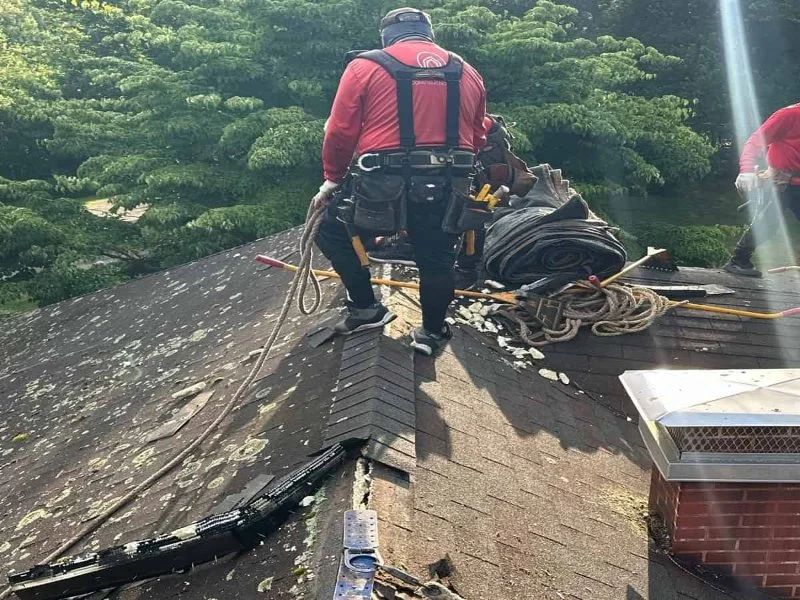
Repairing a roof after fire damage is a complex process that requires professional expertise. Here are the key steps involved:
- Inspection: The first step is a thorough inspection by a roofing professional. This includes evaluating the extent of the damage, identifying weakened structural components, and assessing insulation and roofing materials.
- Safety Assessment: Safety is the top priority. Structural elements that have been weakened by the fire will need to be reinforced or replaced before further work can be done.
- Removal of Damaged Materials: Any damaged roofing materials, such as shingles, tiles, or sections of the roof deck, will need to be removed. This is critical to prevent further degradation and ensure the new materials are securely installed.
- Repairs and Replacement: After the damaged materials are removed, the roof will be repaired with new materials, such as fresh shingles or roofing membranes. Structural repairs may also be necessary, depending on the severity of the fire.
- Inspection and Cleanup: Once the repairs are complete, a final inspection ensures the roof is structurally sound and properly sealed. The area will be cleaned, and any remaining fire-related residue or soot will be removed.
4. Factors Affecting Roof Repair Costs
The cost of repairing a roof after fire damage can vary widely depending on several factors:
- Extent of Damage: The more severe the fire damage, the higher the cost. Major structural repairs will be more expensive than replacing a few damaged shingles.
- Size of the Roof: A larger roof will naturally require more materials and labor to repair, leading to higher costs.
- Materials Used: The type of roofing material you choose will influence the total cost. Metal roofing may be more expensive to repair than asphalt shingles, for example.
- Labor Costs: Labor costs vary by location, roofing company, and the complexity of the work required. Make sure to get quotes from multiple contractors to ensure competitive pricing.
- Insurance Coverage: If you have homeowner’s insurance, it may cover part of the roof repair costs, depending on your policy. It’s important to understand your coverage and work with your insurer during the claims process.
5. Preventing Future Fire Damage to Your Roof
After repairing your roof, it’s important to take steps to prevent future fire damage. Here are some tips to help protect your roof:
- Install Fire-Resistant Roofing Materials: Consider installing fire-resistant roofing materials like metal, tile, or fire-rated shingles. These materials are less likely to ignite in the event of a fire.
- Maintain Your Gutters: Keep gutters clean and free of debris to prevent a buildup of dry leaves, twigs, and other flammable materials. This can reduce the risk of fire spreading to the roof from the exterior.
- Install Fire Barriers: In high-risk areas, fire barriers or fire-retardant coatings can be applied to the roof to reduce vulnerability to flames.
- Trim Nearby Trees: If your home is surrounded by trees, trim any branches that overhang the roof. This reduces the risk of branches catching fire and spreading to your home.
In conclusion, repairing a roof after fire damage requires professional expertise, a clear understanding of the damage, and a focus on long-term protection. For more information on roof repairs or to get help with your roof restoration, visit Total Roofing Hub.
 WR General Contractor LLC5.0 (1 reviews)
 ECL Renovation & Roofing LLC5.0 (70 reviews)
 Atlanta Roofing Specialists4.0 (288 reviews)
 Next Level Restorations4.0 (15 reviews)
 M & M Roofing Inc5.0 (3 reviews)
 Stratham Building & Remodeling, LLC5.0 (3 reviews)
 Should I Repair or Replace My Roof? A Complete Guide
 How to Choose Roof Sheathing & Decking Materials
 How to Spot Hail Damage on Your Roof: A Comprehensive Guide
 Siding Projects That Increase Curb Appeal Fast
 How to Choose the Best Roofing Underlayment Based on Climate
 Roof Re-Roofs or Layovers: Pros, Cons & Codes Explained