
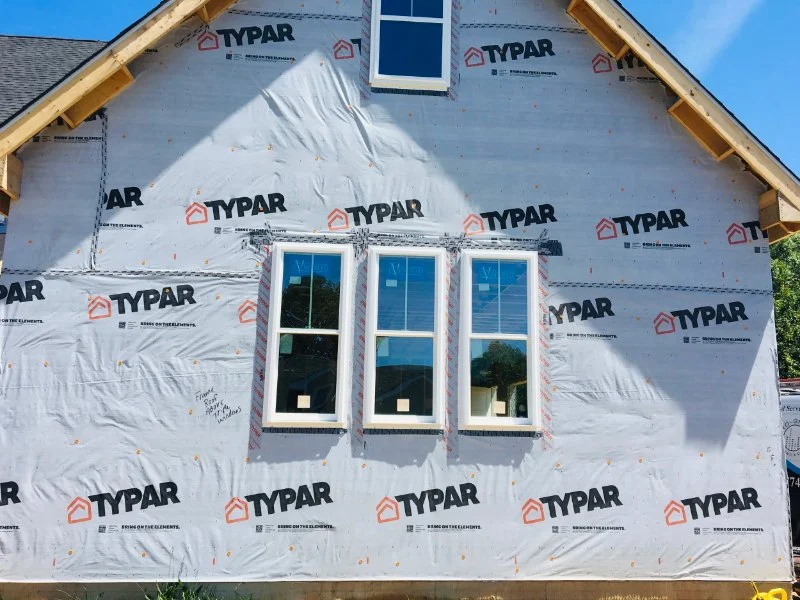
- 1. What is House Wrap and Why It Matters
- 2. Common Causes of House Wrap Failure
- 3. How to Prevent House Wrap Failure During Siding Installation
- 4. Maintenance Tips to Keep Your House Wrap Effective
- 5. The Role of a Professional in Preventing House Wrap Issues
1. What is House Wrap and Why It Matters
House wrap is a protective material installed between the exterior siding and the structural elements of a building. Its primary purpose is to provide a barrier against moisture, air, and wind, while still allowing the structure to "breathe" and release trapped moisture. When installed correctly, house wrap helps prevent mold growth, rot, and energy loss by improving insulation and preventing water infiltration.
Understanding the role of house wrap is essential for ensuring your home remains protected from the elements. Without proper installation and maintenance, your house wrap can fail, leading to costly repairs and potential damage to your property.
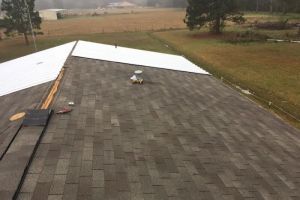
2. Common Causes of House Wrap Failure
There are several reasons house wrap might fail, and understanding these can help you avoid costly mistakes. Here are some common causes of failure:
- Improper Installation: If the house wrap is not installed tightly around windows, doors, or seams, it can allow water or air to leak through, rendering the wrap ineffective.
- Damaged Wrap: Physical damage during construction, or wear and tear over time, can cause house wrap to tear or deteriorate, allowing moisture to penetrate.
- Wrong Type of House Wrap: Not all house wraps are suitable for every climate or construction type. Using the wrong material can cause the wrap to fail prematurely.
- Improper Sealing: Failing to properly seal the edges and seams of the house wrap can create gaps where moisture and air can enter.
By understanding these common causes, you can take the necessary steps to prevent failure and ensure your home remains protected.
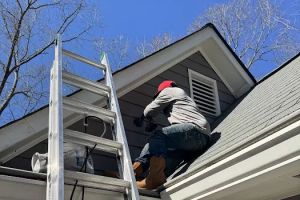
3. How to Prevent House Wrap Failure During Siding Installation
One of the most critical times for preventing house wrap failure is during the siding installation process. Here are some expert tips to ensure proper installation:
- Choose the Right Type of House Wrap: Make sure you select a house wrap that suits your climate and home's needs. For instance, if you live in an area with heavy rain or snow, look for a wrap with a higher level of water resistance.
- Install Over a Clean Surface: Before installing house wrap, ensure that the surface is clean, dry, and free from debris. Any dirt or moisture trapped beneath the wrap can cause it to fail.
- Overlap the Seams: Properly overlap the seams of the house wrap to prevent water from seeping through. Make sure the wrap is tightly secured around all edges, especially at the base of windows, doors, and corners.
- Use Proper Fastening Techniques: Secure the house wrap with the right fasteners (e.g., staples or nails). Fasteners should be spaced evenly and used in such a way that they don’t puncture the wrap or create holes.
By following these steps, you’ll be ensuring that your house wrap performs at its best and provides the protection your home needs.
4. Maintenance Tips to Keep Your House Wrap Effective
Even with proper installation, house wrap requires regular maintenance to stay effective. Here are some maintenance tips to keep your house wrap functioning as intended:
- Inspect for Tears or Holes: Regularly check the house wrap for any signs of damage, such as rips or holes. If you find any, repair them promptly to prevent water infiltration.
- Check the Seals: Inspect the edges and seams of the wrap to ensure they remain sealed and intact. Reapply sealant as needed.
- Clean the Surface: Keep the surface of your house wrap clean and clear of debris that could create areas of moisture buildup or attract pests.
- Regular Siding Maintenance: Periodically inspect your siding for cracks, gaps, or damage that could lead to water getting behind the house wrap.
By keeping up with these maintenance tasks, you can ensure that your house wrap continues to protect your home for years to come.
5. The Role of a Professional in Preventing House Wrap Issues
While homeowners can take preventive measures, working with a professional roofing or siding contractor is essential to avoid the risk of house wrap failure. Professionals have the expertise and experience needed to properly install, seal, and maintain house wrap. They also know how to select the best materials for your specific home and climate.
If you’re unsure about your house wrap installation or suspect it may be failing, it’s always a good idea to consult a professional. They can inspect your home, identify potential issues, and recommend solutions that will keep your home safe and dry.

 Hewitt's Home Improvements LLC5.0 (4 reviews)
 Moran Drywall Inc.5.0 (5 reviews)
 C and D contracting3.0 (64 reviews)
 Solid Rock Handyman5.0 (2 reviews)
 Viking Exterior5.0 (2 reviews)
 Steve Stacy Roofing4.0 (28 reviews)
 How Often Should You Replace Your Home's Siding? Expert Guide for Homeowners
 Should I Repair or Replace My Roof? Essential Guide for Homeowners
 Everything You Need to Know About Roof Warranties
 The Pros and Cons of Vinyl Siding for Your Home
 Siding Longevity by Climate: How Hot, Cold, Humid, and Dry Regions Affect Your Siding
 Siding Material Longevity: What to Expect After Installation