- 1. The Impact of Climate on Siding Longevity
- 2. Hot Climates: Challenges and Siding Options
- 3. Cold Climates: Siding Durability in Freezing Temperatures
- 4. Humid Climates: How Moisture Affects Your Siding
- 5. Dry Climates: Siding Choices for Arid Environments
- 6. How to Extend the Life of Your Siding
- 7. Conclusion: Selecting the Right Siding for Your Region
1. The Impact of Climate on Siding Longevity
When it comes to choosing siding for your home, the local climate plays a significant role in determining its lifespan. Different climates pose unique challenges, and understanding how they affect your siding material can help you make a more informed decision. Whether you live in a hot, cold, humid, or dry region, the key to maximizing the longevity of your siding is choosing the right material and ensuring proper maintenance. In this article, we'll explore how various climate conditions impact siding durability and how you can adjust your choices accordingly.
2. Hot Climates: Challenges and Siding Options
In hot climates, high temperatures, intense sunlight, and UV exposure can take a toll on your siding. Materials like vinyl, wood, and even fiber cement can warp, fade, or crack when exposed to extreme heat and UV rays for extended periods. UV damage can cause fading and brittleness, while excessive heat may lead to thermal expansion and contraction of materials.
Choosing the Right Siding for Hot Climates
For homes in hot climates, it's crucial to choose a siding material that can withstand the intense sun. Opt for materials like insulated vinyl or fiber cement, which are less prone to warping and cracking. Reflective coatings on vinyl siding can help mitigate UV damage and reduce heat buildup. Additionally, regular maintenance, such as cleaning and sealing, can extend the lifespan of your siding in such environments.
3. Cold Climates: Siding Durability in Freezing Temperatures
Cold climates, particularly those with freezing temperatures and heavy snow, bring their own set of challenges for siding longevity. Freezing and thawing cycles can cause materials to expand and contract, leading to cracks and other damage. Ice dams and moisture infiltration can also lead to the deterioration of siding over time.
Best Siding Options for Cold Climates
In colder regions, durable materials like vinyl, fiber cement, and wood are popular choices. Fiber cement is particularly well-suited for extreme cold, as it resists cracking and does not expand or contract as much as other materials. It's also moisture-resistant, which helps in preventing ice dams. Additionally, proper insulation behind the siding can prevent cold air from seeping into your home, enhancing energy efficiency and protecting your siding from the effects of freezing temperatures.
4. Humid Climates: How Moisture Affects Your Siding
High humidity levels can cause moisture-related issues such as mold, mildew, and wood rot, especially in regions that receive a lot of rainfall or have a tropical climate. Over time, constant exposure to moisture can weaken your siding material and reduce its lifespan. This is particularly true for wood siding, which is highly susceptible to water damage in humid climates.
Choosing the Best Siding for Humid Climates
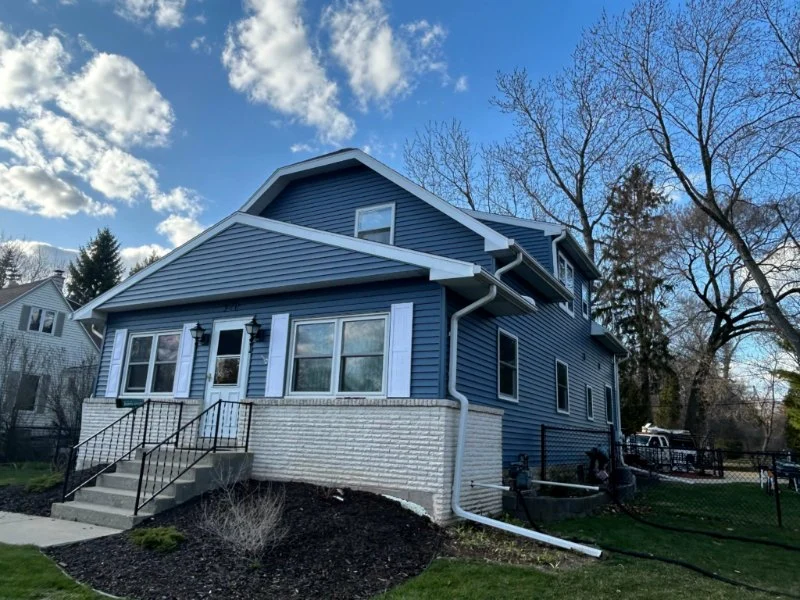
To protect your home in humid areas, opt for siding materials that are resistant to moisture. Vinyl and fiber cement are both excellent choices because they are not affected by humidity. Vinyl siding, in particular, resists moisture absorption and doesn't warp, rot, or suffer from mold and mildew. It's also low maintenance, requiring only occasional cleaning. Fiber cement siding is similarly resistant to moisture and doesn't suffer from the same issues as wood siding.
5. Dry Climates: Siding Choices for Arid Environments
In dry, arid climates, the main concerns for siding are heat, dust, and occasional intense storms. The dry air can cause materials like wood and fiber cement to crack or shrink over time. Additionally, dust and dirt buildup on the siding may require more frequent cleaning to maintain its appearance and function.
Best Siding Materials for Dry Climates
For homes in dry regions, the best siding options are those that can withstand the heat without drying out or becoming brittle. Stucco, fiber cement, and stone veneers are popular choices. Stucco is particularly effective in hot, dry climates because it provides natural insulation and can handle temperature fluctuations. Fiber cement also works well in these conditions, as it resists cracking and is highly durable. Both materials are relatively low maintenance and can last for many years with proper care.
6. How to Extend the Life of Your Siding
Regardless of the climate in which you live, there are several steps you can take to ensure your siding lasts as long as possible:
- Regular cleaning to remove dirt, dust, and debris.
- Inspecting the siding for any signs of damage and addressing issues promptly.
- Applying protective coatings or sealants to prevent moisture damage and UV degradation.
- Ensuring proper insulation and ventilation to reduce wear and tear.
- Scheduling professional inspections every few years to catch any issues early.
By maintaining your siding properly, you can maximize its lifespan and ensure your home remains protected from the elements.
7. Conclusion: Selecting the Right Siding for Your Region
Choosing the right siding material for your climate is essential for maximizing durability and longevity. Whether you're dealing with the heat of a desert, the freezing temperatures of a northern winter, the humidity of a coastal region, or the dry air of an arid zone, the right siding can make a world of difference. At Total Roofing Hub, we offer a wide range of high-quality siding materials tailored to your region's specific needs. Whether you need advice on choosing the best material or looking for products, we have the perfect solution for you.
 IronClad Painitng and Remodeling LLP5.0 (2 reviews)
 RuFresh LLC0.0 (0 reviews)
 First Impressions Painting & Maintenance Co.4.0 (6 reviews)
 Harford Roofing & Exteriors5.0 (87 reviews)
 Robert Roofing and Gutters, Inc.4.0 (52 reviews)
 24/7 ROOFING1.0 (1 reviews)
 How Severe Weather Affects Your Roofing Lifespan: Key Insights
 Siding Expansion & Contraction: Causes & How to Mitigate
 The Environmental Benefits of a Cool Roof | Total Roofing Hub
 The Environmental Benefits of a Cool Roof
 How Long Do Asphalt Shingles Last? Learn About Their Lifespan
 The Pros and Cons of Vinyl Siding: Is It the Right Choice for Your Home?