- Introduction to Roof Underlayments
- Understanding Mold and Rot in Roofing
- Best Roof Underlayments Resistant to Mold & Rot
- How to Choose the Right Underlayment for Your Roof
- Case Studies: Real-Life Applications of Mold & Rot-Resistant Underlayments
- Total Roofing Hub: Expert Roofing Solutions
Introduction to Roof Underlayments
Roof underlayments play a crucial role in the durability and performance of your roofing system. These materials provide an extra layer of protection under the shingles or tiles, ensuring your roof remains water-resistant and secure for years. One of the most important aspects of a quality underlayment is its ability to resist mold and rot, especially in areas with high humidity or frequent rain. In this article, we will explore roof underlayments that resist mold and rot, and how they contribute to the long-term health of your roof.

What is Roof Underlayment?
Roof underlayment is a layer of material placed directly beneath your roof covering, typically asphalt shingles or metal roofing. It acts as an additional barrier to moisture, preventing water from seeping through and damaging your home. While traditional roofing materials like shingles or tiles are important, the underlayment is the first line of defense against water infiltration.
Norman Roofing Solutions
3185 Cherokee St NW Suite 500, Kennesaw, GA 30144, USA
Understanding Mold and Rot in Roofing
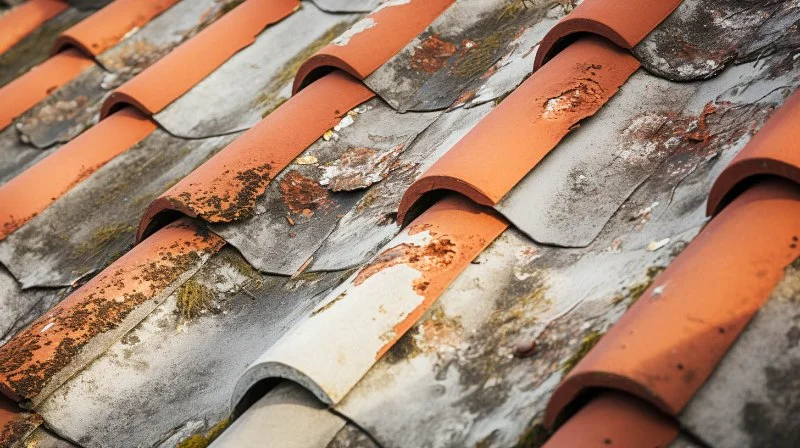
One of the biggest threats to roofing systems, especially in humid climates, is mold and rot. Mold thrives in damp, warm environments, and when it takes hold of roofing materials, it can lead to significant structural damage. Rot occurs when the wood decking beneath the shingles or tiles becomes saturated with water, causing it to break down and weaken. Over time, mold and rot can compromise the integrity of the roof, leading to leaks, wood damage, and the need for expensive repairs.
Why Mold and Rot Are a Concern
Mold and rot can spread quickly in areas with high moisture levels, such as coastal regions or places that experience heavy rainfall. Without proper protection, these issues can lead to more than just cosmetic damage; they can undermine the structural integrity of the entire roof. The best way to prevent mold and rot is to use a high-quality, moisture-resistant roof underlayment.
Best Roof Underlayments Resistant to Mold & Rot
When selecting a roof underlayment, it's essential to consider materials that are specifically designed to resist mold and rot. Below are some of the best options available:
1. Synthetic Underlayments
Synthetic underlayments are made from polymers that offer superior protection against moisture and mold. These materials are lightweight, durable, and highly resistant to water penetration. They are designed to shed water and prevent the accumulation of moisture that could lead to mold or rot. Synthetic underlayments are also UV-resistant, making them ideal for use in areas with high sun exposure. They are widely regarded as one of the best options for homeowners seeking long-lasting protection from mold and rot.
2. Peel-and-Stick Underlayments
Peel-and-stick underlayments are another popular choice for mold and rot resistance. These self-adhesive membranes form a watertight seal that helps prevent leaks and water intrusion. They are particularly effective in areas prone to ice dams, as they create a barrier that prevents water from backing up under the shingles. Because of their adhesive properties, peel-and-stick underlayments also provide excellent protection against mold and rot, making them a great option for homeowners concerned about moisture-related damage.
3. Rubberized Asphalt Underlayments
Rubberized asphalt underlayments are composed of a rubberized asphalt compound that provides a high level of waterproofing. This type of underlayment is resistant to mold and rot due to its water-resistant nature. It's often used in areas with heavy rainfall or high humidity, as it prevents water from seeping into the roof structure. Additionally, rubberized asphalt underlayments are highly durable and can withstand temperature fluctuations, making them ideal for extreme weather conditions.
4. Felt Underlayments with Mold Resistance
Traditional felt underlayment can be treated with mold-resistant additives to enhance its water-repellent properties. These treated felt underlayments provide adequate protection against water infiltration and mold growth, though they may not offer the same level of resistance as synthetic or peel-and-stick options. However, for homeowners on a budget, treated felt remains a reliable and cost-effective choice.
How to Choose the Right Underlayment for Your Roof
When choosing the right roof underlayment for mold and rot prevention, several factors should be considered:
1. Climate and Weather Conditions
The climate in your area plays a significant role in determining the type of underlayment that will be most effective. For regions with high humidity, heavy rainfall, or extreme temperature fluctuations, synthetic underlayments or rubberized asphalt may offer the best protection. For drier climates, felt underlayments with mold-resistant additives may suffice.
2. Roof Type
Different roofing systems may require different types of underlayment. For instance, metal roofs often benefit from synthetic underlayment, while asphalt shingle roofs may do well with peel-and-stick options. It's important to choose an underlayment that is compatible with the roofing material you have or plan to install.
3. Budget
The cost of underlayment varies significantly depending on the material and brand. While synthetic and peel-and-stick underlayments tend to be more expensive, they offer superior protection. If you're working with a tighter budget, felt underlayment treated with mold-resistant additives provides a more affordable alternative without sacrificing too much performance.
Case Studies: Real-Life Applications of Mold & Rot-Resistant Underlayments
Here are a few case studies that demonstrate the effectiveness of mold and rot-resistant underlayments in real-world applications:
Case Study 1: Coastal Home with Synthetic Underlayment
A homeowner in Florida installed a synthetic underlayment under their asphalt shingles to combat the humid, saltwater-rich environment. Over the course of 10 years, the roof remained free from mold and rot, with no signs of water damage or leaks. The homeowner reported that the investment in a high-quality synthetic underlayment paid off in terms of durability and reduced maintenance costs.
Case Study 2: Mountain Home with Rubberized Asphalt
A mountain cabin in Colorado faced heavy snow accumulation and seasonal ice dams. The owners chose a rubberized asphalt underlayment for their metal roof, which effectively prevented water from backing up and seeping into the roof structure. The roof remained in excellent condition for over 15 years without any mold or rot issues, even in harsh winter conditions.
Total Roofing Hub: Expert Roofing Solutions
If you're considering a roof replacement or installation, Total Roofing Hub offers expert advice on the best roofing materials and underlayments to suit your needs. Whether you're looking for mold and rot-resistant options or need help choosing the right materials for your home, our team of experts is here to guide you every step of the way. Visit our website today to learn more and get started with your roofing project.
 American Home Remodeling4.0 (282 reviews)
 Clear Cost Roofing4.0 (40 reviews)
 Central N.H. Gutter Services5.0 (23 reviews)
 Live Oak Roofing5.0 (63 reviews)
 Dallas Roofing4.0 (177 reviews)
 SS CONSTRUCTION3.0 (23 reviews)
 How to Spot Hail Damage on Your Roof: A Step-by-Step Guide for Homeowners
 Siding Sealing & Caulking Best Practices: Protect Your Home from the Elements
 Everything You Need to Know About Roof Warranties
 Best Roofing Materials for Cold Climates | Roofing Tips and Maintenance
 Siding vs Stucco: Which Is Better for Your Home?
 Should I Repair or Replace My Roof? A Complete Guide