- 1-What Is Siding?
- 2-What Is Stucco?
- 3-Siding vs Stucco: Durability and Maintenance
- 4-Cost Comparison: Siding vs Stucco
- 5-Aesthetic Appeal and Design Considerations
- 6-Which Is Better for Your Home?
1. What Is Siding?
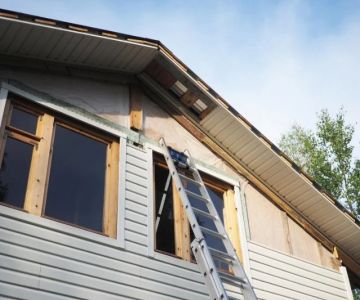
Siding refers to the exterior material applied to the walls of a building to protect it from weather elements and enhance its appearance. There are various types of siding, including vinyl, wood, fiber cement, and aluminum. Each material has its own set of advantages, but all serve the same primary purpose: to provide protection against the elements while adding curb appeal.
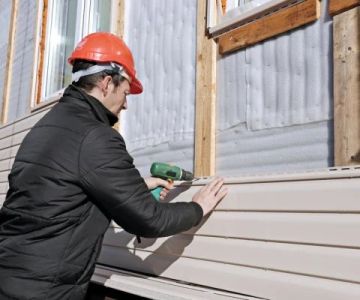
Vinyl siding is one of the most popular options, known for being affordable, low-maintenance, and available in a variety of colors and textures. Fiber cement siding is another common choice, providing a durable and fire-resistant option with the look of wood but at a lower cost.
Vaughn Home Improvement
ShelbyCleveland CountyNorth Carolina
230 Mt Sinai Church Rd, Shelby, NC 28152, USA
2. What Is Stucco?
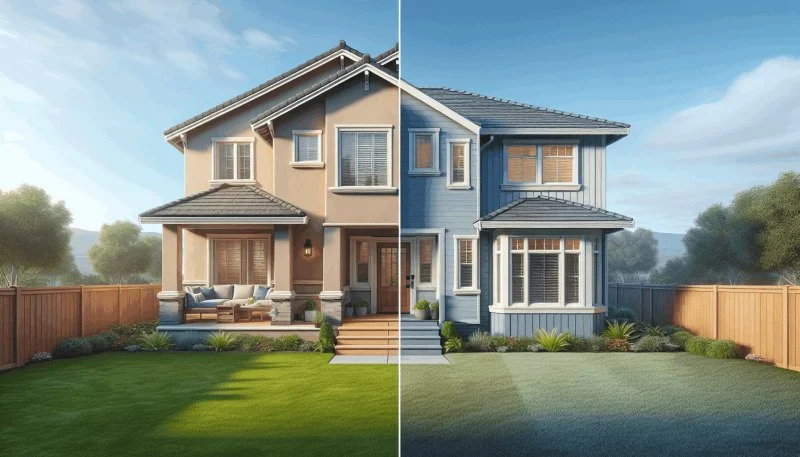
Stucco is a plaster-like material applied to walls to create a smooth, durable, and aesthetically pleasing exterior. Made from a mix of sand, lime, and cement, stucco has been used for centuries and is particularly popular in Mediterranean and Southwestern-style homes. It is often applied in multiple layers, with each layer contributing to its durability and resistance to weathering.
Stucco is valued for its aesthetic appeal, as it offers a distinctive textured finish. It also provides excellent insulation, which can help with energy efficiency. Stucco is most commonly used in dry climates but can be suitable for a range of architectural styles when applied correctly.

Profound Home Improvement LLC
WestfieldHampden CountyMassachusetts
183 Main St, Westfield, MA 01085, USA
3. Siding vs Stucco: Durability and Maintenance
Both siding and stucco are durable materials, but they have different levels of resilience and require different amounts of maintenance. Here’s how they compare:
- Siding: The durability of siding largely depends on the material used. Vinyl siding is highly durable and resistant to moisture, but it can be prone to fading and cracking over time, especially in extreme temperatures. Fiber cement siding, on the other hand, is incredibly durable and resistant to rot, insects, and fire. However, it can be more prone to chipping if not properly maintained.
- Stucco: Stucco is highly durable and can last for decades when maintained properly. It is resistant to weathering and fire, but it is prone to cracking if the underlying structure shifts or if moisture penetrates the surface. Stucco requires periodic sealing and inspection to prevent damage from water infiltration.
While stucco offers long-term durability, it may require more maintenance over time to ensure it remains in good condition, especially in areas with high humidity or moisture. Siding, particularly vinyl, tends to require less frequent maintenance but may not last as long as stucco in certain environments.
4. Cost Comparison: Siding vs Stucco
Cost is often one of the most significant factors when choosing between siding and stucco. Here’s a breakdown of the costs associated with each material:
- Siding: Vinyl siding is typically the most affordable option, costing around $3 to $8 per square foot for installation. Wood and aluminum siding are slightly more expensive, with prices ranging from $5 to $10 per square foot. Fiber cement siding is one of the more expensive choices, typically costing between $8 and $15 per square foot.
- Stucco: Stucco is generally more expensive to install than most types of siding. The cost for stucco can range from $6 to $9 per square foot, with labor and material costs adding to the overall price. However, the longevity of stucco may justify the higher initial investment for homeowners looking for long-term value.
When considering cost, it's essential to factor in not just the installation price, but also the long-term maintenance expenses. While stucco may be more expensive upfront, its durability can reduce the need for frequent repairs or replacements, potentially saving money over time.
5. Aesthetic Appeal and Design Considerations
The aesthetic appeal of both siding and stucco is a crucial factor in choosing the right material for your home’s exterior. Both options offer unique looks, but they cater to different design preferences:
- Siding: Siding is versatile and comes in a range of materials, colors, and textures. Vinyl siding is available in a wide variety of colors and patterns, including wood-look finishes. Fiber cement siding can mimic the appearance of wood or stucco, providing an option for those who want a traditional or modern look.
- Stucco: Stucco offers a classic, smooth finish that works well with Mediterranean, Southwestern, and contemporary-style homes. The texture and natural color variations of stucco give it a unique, timeless appeal. It is also customizable with various finishes and detailing, allowing homeowners to create a more personalized look.
Ultimately, the choice between siding and stucco will depend on your home’s architectural style, personal preferences, and the overall look you want to achieve. Stucco offers a more distinctive appearance, while siding provides a wider range of options for different tastes.
6. Which Is Better for Your Home?
Choosing between siding and stucco depends on several factors, including your budget, climate, and aesthetic preferences. If you live in a dry, warm climate and want a classic, low-maintenance option, stucco may be the best choice for you. However, if you're looking for a more affordable, versatile option that’s easier to maintain, siding—particularly vinyl or fiber cement—may be a better fit.
For homeowners in areas with high humidity or harsh weather, fiber cement siding might provide a balance between durability and aesthetic appeal, while those in milder climates might appreciate the classic look and insulation benefits of stucco.
If you’re still unsure about which option is best for your home, visit Total Roofing Hub for more expert advice, detailed product recommendations, and professional services to help you make the right choice for your next home improvement project.



 Skyline Designs Roofing5.0 (99 reviews)
 Perfect Roofing Installations4.0 (60 reviews)
 Dog Tags Construction LLC4.0 (16 reviews)
 Gutter Shutter of Central Maryland5.0 (9 reviews)
 Sam Cline Handyman Services4.0 (37 reviews)
 Paramount Builders Inc.4.0 (302 reviews)
 Should I Repair or Replace My Roof?
 Top 10 Signs Your Roof Needs Immediate Repair Before It’s Too Late
 The Pros and Cons of Vinyl Siding: Is It the Right Choice for Your Home?
 How to Choose a Reliable Roofing Contractor Near You – Expert Tips
 Top 10 Signs Your Roof Needs Immediate Repair You Shouldn’t Ignore
 How to Spot Hail Damage on Your Roof | Quick Guide for Homeowners