- 1. Understanding Ice Dams on Metal Roofs
- 2. Step 1: Insulating Your Roof Properly
- 3. Step 2: Installing Heating Cables
- 4. Step 3: Regular Snow and Ice Removal
- 5. Step 4: Ensuring Proper Roof Ventilation
- 6. Step 5: Professional Roof Inspection
1. Understanding Ice Dams on Metal Roofs
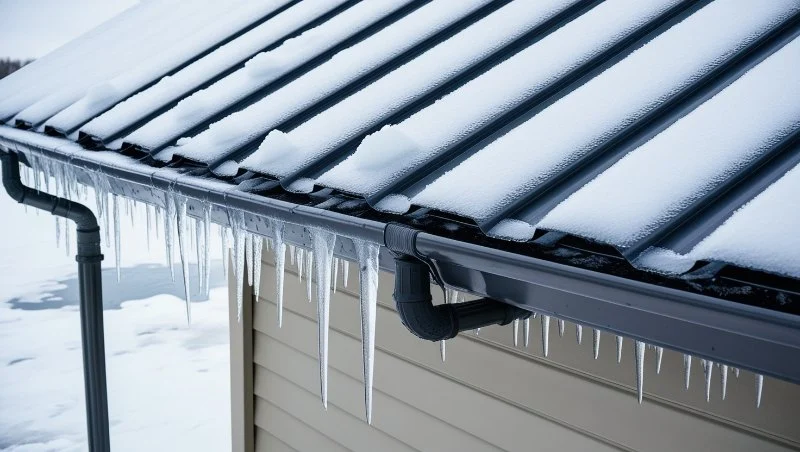
Ice dams are a common issue for homeowners with metal roofs during the winter. When snow on your roof melts and refreezes, it forms a barrier of ice at the edge of your roof, preventing water from draining properly. This can cause water to back up under the shingles or metal panels, leading to leaks, roof damage, and costly repairs. Preventing ice dams on your metal roof is crucial to maintain the integrity of your home and avoid expensive repairs.
2. Step 1: Insulating Your Roof Properly
One of the most effective ways to prevent ice dams is to ensure that your roof is properly insulated. Insulation helps to maintain a consistent temperature across your roof, preventing the melting of snow in certain areas. Without proper insulation, warm air from your home can escape into the attic, causing snow to melt on the roof and refreeze at the eaves.

Alpha Demolition
National CitySan Diego CountyCalifornia
224 W Plaza Blvd, National City, CA 91950, USA
2.1. Insulation Materials
Consider using high-quality insulation materials, such as spray foam or fiberglass batt insulation, to fill gaps and ensure that your attic is properly sealed. Proper insulation helps prevent heat loss, which is the primary cause of ice dams.
3. Step 2: Installing Heating Cables
Heating cables are a great solution for preventing ice dams on metal roofs. These cables are installed along the roofline and eaves to help melt snow and ice before they can form dams. The cables heat the roof's surface and ensure that snow and ice continue to flow off the roof rather than backing up.
3.1. Installation Tips
Heating cables should be installed by a professional to ensure they are properly placed and safely connected to your power source. Make sure to select cables that are designed for roof use, as these will be more durable and effective in preventing ice buildup.
4. Step 3: Regular Snow and Ice Removal
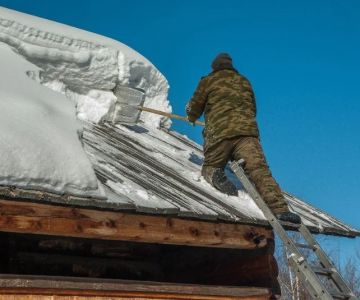
Removing snow from your roof as soon as it accumulates is a critical step in preventing ice dams. Use a roof rake with a long handle to safely remove snow from the roof, especially around the edges where ice dams are most likely to form. Be sure to take care not to damage the roof or gutters while removing the snow.
4.1. Safety Precautions
Always use proper safety equipment when removing snow from your roof. Consider using a roof rake with a telescoping handle to avoid climbing onto the roof. If you are not comfortable with roof maintenance, it’s best to hire a professional snow removal service to avoid injury.
5. Step 4: Ensuring Proper Roof Ventilation
Proper ventilation is essential to prevent ice dams on metal roofs. Without adequate ventilation, warm air can accumulate in the attic, causing the snow on your roof to melt and refreeze. Installing vents along the ridge and eaves of your roof helps maintain proper airflow and temperature control, reducing the likelihood of ice dam formation.
5.1. Types of Roof Vents
There are several types of roof vents that can help with ventilation, including ridge vents, soffit vents, and gable vents. A professional roofing contractor can help determine the best type of ventilation for your roof.
6. Step 5: Professional Roof Inspection
Having your roof inspected by a professional before the winter season begins is an essential step in preventing ice dams. A roofing expert can identify potential issues with your roof's insulation, ventilation, and overall structure. They can also provide recommendations for any necessary repairs or upgrades to prevent ice dams from forming.
If you’re unsure about your roof’s condition or need assistance with ice dam prevention, visit [Total Roofing Hub](#) for expert advice and roofing services to keep your roof in top condition throughout the winter.
 Hewitt's Home Improvements LLC5.0 (4 reviews)
 Moran Drywall Inc.5.0 (5 reviews)
 C and D contracting3.0 (64 reviews)
 Solid Rock Handyman5.0 (2 reviews)
 Viking Exterior5.0 (2 reviews)
 Steve Stacy Roofing4.0 (28 reviews)
 How Often Should You Replace Your Home's Siding? Expert Guide for Homeowners
 Should I Repair or Replace My Roof? Essential Guide for Homeowners
 Everything You Need to Know About Roof Warranties
 The Pros and Cons of Vinyl Siding for Your Home
 Siding Longevity by Climate: How Hot, Cold, Humid, and Dry Regions Affect Your Siding
 Siding Material Longevity: What to Expect After Installation