
- 1. Understanding Siding Materials
- 2. Factors Affecting Siding Longevity
- 3. Lifespan of Common Siding Materials
- 4. How to Extend the Lifespan of Your Siding
- 5. Choosing the Right Siding for Your Home
1. Understanding Siding Materials
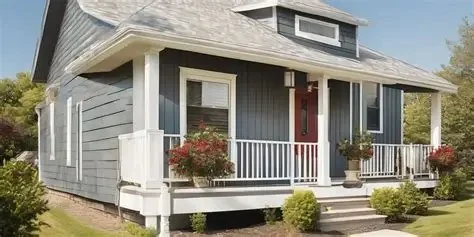
Siding plays a crucial role in protecting your home from the elements, but its longevity depends largely on the material you choose. Different materials have varying lifespans and maintenance needs, so understanding these aspects is essential for selecting the right option for your home. Siding materials range from wood to vinyl, fiber cement, and metal, each with its own set of advantages and disadvantages.

Better Roofing - A Villareal Company
Grand TerraceSan Bernardino CountyCalifornia
12210 Michigan St Unit #30, Grand Terrace, CA 92313, USA
1.1 Popular Siding Materials
Common siding materials include:
- Wood
- Vinyl
- Fiber Cement
- Metal (aluminum, steel)
- Brick and Stone
Each of these materials varies in terms of durability, cost, and maintenance. It's essential to weigh these factors when planning your siding installation to ensure long-term satisfaction.

2. Factors Affecting Siding Longevity
The lifespan of your siding depends on several key factors. Understanding these elements can help you make the best decision for your home’s exterior.
2.1 Climate
The climate in your region significantly affects how long your siding lasts. Homes in areas with extreme weather conditions, such as heavy rains, snow, or intense sunlight, may experience faster wear and tear. For instance, vinyl siding might warp or fade more quickly in areas with intense UV exposure.
2.2 Maintenance
Proper care and maintenance can greatly extend the life of your siding. Regular cleaning, repainting, and addressing small repairs before they escalate are vital to keeping your siding in good condition. Materials like wood may require sealing or staining every few years, while vinyl and fiber cement might need less frequent maintenance.
2.3 Installation Quality
Another critical factor is the quality of installation. Even the best materials can suffer from poor installation. Ensuring that your siding is properly installed will prevent issues like leaks, warping, or shifting that could reduce its lifespan.
3. Lifespan of Common Siding Materials
Now that we’ve covered the factors affecting siding longevity, let’s look at the typical lifespans of some of the most common siding materials:
3.1 Wood Siding
Wood siding is beautiful and classic but requires regular maintenance. If properly maintained, wood siding can last between 20 and 40 years, depending on the type of wood and climate conditions. However, wood is more susceptible to pests, rot, and weathering, so it may require more upkeep.
3.2 Vinyl Siding
Vinyl siding is a popular choice due to its low cost and minimal maintenance. Typically, vinyl siding lasts around 20 to 40 years. However, it may crack or warp in extreme temperatures, so it's essential to choose high-quality vinyl and ensure proper installation.
3.3 Fiber Cement Siding
Fiber cement siding is one of the longest-lasting options, with a lifespan of 30 to 50 years. It is highly durable and resistant to fire, termites, and rot. Fiber cement requires some maintenance, such as repainting every 5-10 years, but it holds up well in most climates.
3.4 Metal Siding
Metal siding, including aluminum and steel, typically lasts 40 to 70 years. It's highly durable and resistant to harsh weather conditions. However, metal siding can dent or rust if not properly maintained, so regular inspections are recommended.
3.5 Brick and Stone Siding
While not commonly used in all regions, brick and stone siding can last 50 years or more, sometimes even the lifetime of the house itself. These materials are incredibly durable and require little maintenance. However, they can be expensive to install, and any repairs needed can be costly.
4. How to Extend the Lifespan of Your Siding
To ensure your siding lasts as long as possible, follow these tips for proper care and maintenance:
4.1 Regular Cleaning
Keeping your siding clean is essential. Dirt, grime, and mildew can build up over time, which can damage the surface. Pressure washing or gentle scrubbing with a mild detergent will help remove debris and prevent staining or decay.
4.2 Inspect and Repair Damages
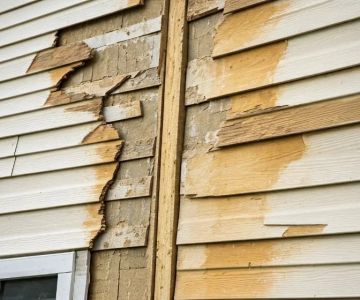
Routine inspections are key to spotting small issues before they become major problems. Look for cracks, holes, or warped panels, and repair them as soon as possible. For example, caulking around seams and joints can prevent water damage.
4.3 Protect Against the Elements
Consider applying protective coatings to your siding, such as sealants or paint. These can help protect against the elements, particularly in areas prone to harsh weather. Ensure proper ventilation around the siding to prevent moisture buildup, which can lead to mold or rot.
5. Choosing the Right Siding for Your Home
Choosing the right siding material involves balancing durability, aesthetics, and cost. Here are some tips for selecting the best option for your home:
5.1 Consider Your Climate
As mentioned earlier, climate plays a significant role in the longevity of siding materials. If you live in an area with extreme temperatures or high humidity, materials like fiber cement or metal siding may be better suited to withstand the elements.
5.2 Budget
While materials like brick or stone can provide long-term durability, they may not be feasible for every budget. If cost is a primary concern, vinyl or fiber cement might be more suitable options that still offer great durability without breaking the bank.
5.3 Aesthetic Appeal
Ultimately, siding should complement the aesthetic of your home. Whether you prefer the classic look of wood or the modern appeal of metal, choose a material that aligns with your home’s design while ensuring that it will hold up over time.
For expert advice on selecting and installing siding, visit Local Practice Dentistry to learn more about the best products and services for your home.
 Reindeer Roofing5.0 (77 reviews)
 Top Peak Roofing4.0 (86 reviews)
 RAM Roofing LLC5.0 (4 reviews)
 TM Roofing4.0 (10 reviews)
 Zenith Roofing5.0 (12 reviews)
 Oceanside Exteriors1.0 (2 reviews)
 What to Expect During a Roof Inspection and Why It Matters for Homeowners
 Best Time of Year to Replace Your Roof: A Seasonal Guide for Homeowners
 DIY vs Professional Roof Replacement: What’s Safer & More Cost-Effective
 Roof Maintenance in Urban Environments: Challenges & Tips
 The Environmental Benefits of a Cool Roof in the USA
 How Often Should You Replace Your Home's Siding? | Total Roofing Hub