
- 1. Identifying Leaks in Your Ceiling
- 2. Checking Your Attic for Roof Leaks
- 3. Inspecting the Roof Exterior for Damage
- 4. Common Roof Leak Causes and Solutions
- 5. When to Call Professionals for Roof Repair
1. Identifying Leaks in Your Ceiling
The first sign of a roof leak is often noticeable water damage in the ceiling. If you see dark spots, water stains, or peeling paint, this could be an indication that water is seeping through the roof and into the structure. These stains often appear after a heavy rain, but they may also develop over time due to slow leaks. It’s important to take action quickly to prevent further damage to your ceiling and any underlying structures.

a. Why Ceiling Leaks Occur
Ceiling leaks typically occur when water from the roof finds its way through cracks or gaps in the roofing materials. This water can travel along rafters and beams, pooling in the ceiling before it becomes visible. Leaks can also happen due to improperly sealed areas around vents, skylights, or chimneys. Identifying the source of the leak early can prevent major damage to your ceiling and the rest of your home.

b. Temporary Solutions for Ceiling Leaks
Until a permanent fix can be applied, using a bucket to catch drips and towels to absorb excess water can help manage the situation. However, this is only a temporary measure. It’s important to find and repair the leak to prevent mold growth and further structural damage.
2. Checking Your Attic for Roof Leaks
The attic is the next place to check if you're experiencing a roof leak. Water entering the ceiling often travels through the attic space before dripping down into the lower levels of the house. Inspecting your attic can help you identify the leak's source and prevent further damage to your home. Here’s how to inspect your attic:
a. Attic Inspection Guide
Start by inspecting the attic during daylight hours. This will help you identify any visible light coming through the roof, which is a clear sign of a roof breach. Check for any wet or damp areas, especially around rafters, insulation, and beams. If you notice mold or musty smells, these are also strong indicators of a moisture issue. Pay special attention to areas near roof penetrations, such as chimneys, vents, and skylights.
b. Common Signs of Attic Water Damage
Water damage in the attic often appears as water stains or darkened areas on insulation and rafters. In some cases, you may also notice mold or mildew growth, especially in areas where moisture has been present for an extended period. If you spot these signs, it’s crucial to act quickly to avoid further structural damage and mold problems.
3. Inspecting the Roof Exterior for Damage
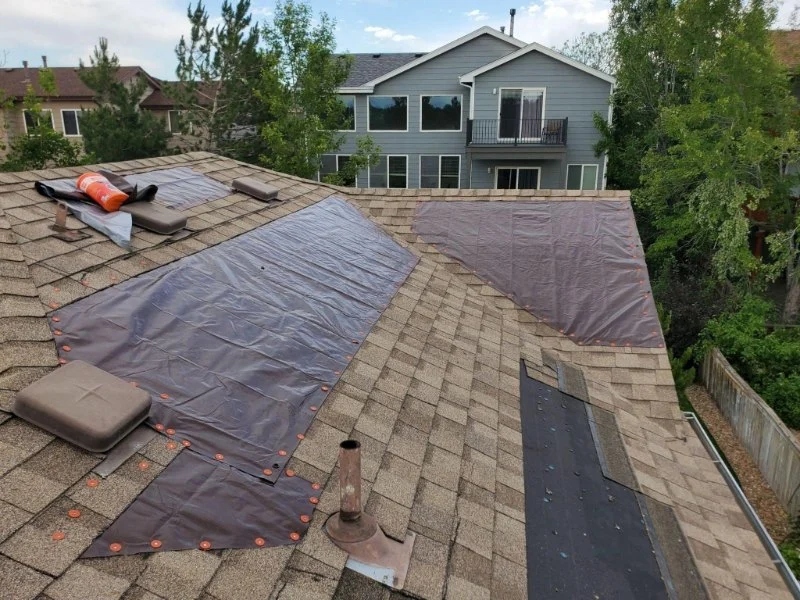
Once you’ve checked your ceiling and attic, the next step is to inspect the roof’s exterior. Roof leaks often originate from damaged shingles, flashing, or other exterior elements. Regular roof inspections can help identify potential issues before they lead to leaks. Here’s how to conduct a basic roof inspection:
a. Roof Inspection Steps
Using a ladder, carefully climb onto the roof to check for any visible damage. Look for missing, cracked, or curled shingles, which can create entry points for water. Also, inspect the flashing around chimneys, vents, and skylights for signs of damage or deterioration. Flashing is crucial in preventing water from infiltrating these areas, so any damage here should be addressed promptly.
b. Hidden Issues to Look For
Even if you don’t see any obvious signs of damage on the roof’s surface, water may still be seeping through small gaps or cracks. It’s also important to check the roof’s valleys and the areas where two roof slopes meet. These areas are particularly vulnerable to water pooling, which can eventually lead to leaks inside the home.
4. Common Roof Leak Causes and Solutions
Roof leaks can be caused by a variety of issues, ranging from weather-related damage to aging materials. Some of the most common causes include:
a. Damaged Shingles
Shingles can become cracked, curled, or missing over time, especially after a storm or extreme weather conditions. Replacing damaged shingles is often a simple and effective way to stop a roof leak. Regular maintenance and inspection can help prevent these issues from escalating.
b. Worn Flashing
Flashing around chimneys, vents, and skylights is essential for keeping water out. Over time, flashing can deteriorate or become dislodged, allowing water to seep into the roof structure. Replacing or resealing worn flashing can help prevent leaks in these vulnerable areas.
c. Clogged Gutters
Clogged gutters can cause water to overflow, leading to water damage along the roof’s edge. Cleaning your gutters regularly ensures proper water flow and prevents water from backing up onto the roof. This simple maintenance task can save you from costly repairs in the future.
5. When to Call Professionals for Roof Repair
While minor roof leaks can sometimes be fixed with DIY methods, it’s often best to call in a professional roofer, especially if you’re dealing with extensive damage. If you notice significant water damage, mold growth, or if you’re unable to pinpoint the source of the leak, it’s time to bring in an expert. A professional roofer can accurately diagnose the problem, provide a detailed repair plan, and ensure that your roof is restored to its optimal condition.
If you're unsure about the state of your roof, consider reaching out to Total Roofing Hub for expert advice, roof inspections, and reliable repair services tailored to your home’s needs.


 Defrancesco's Quality Roofing4.0 (109 reviews)
 Mainely LLC3.0 (58 reviews)
 Home Roofing Solutions4.0 (323 reviews)
 Lansing Building Products - White River Junction, VT4.0 (26 reviews)
 Gelber's J Painting4.0 (57 reviews)
 Advanced Building & Siding Co inc0.0 (0 reviews)
 How to Choose Roofing for Flat vs Pitched Garages & Sheds
 Siding Cleaning Tools: Power Washers, Soft Wash & Safe Techniques
 How to Spot Hail Damage on Your Roof: A Step-by-Step Guide
 The Best Roofs for Low-Maintenance Homes
 Top 10 Signs Your Roof Needs Immediate Repair
 How to Maintain Your Siding Year Round: Seasonal Tips and Care