
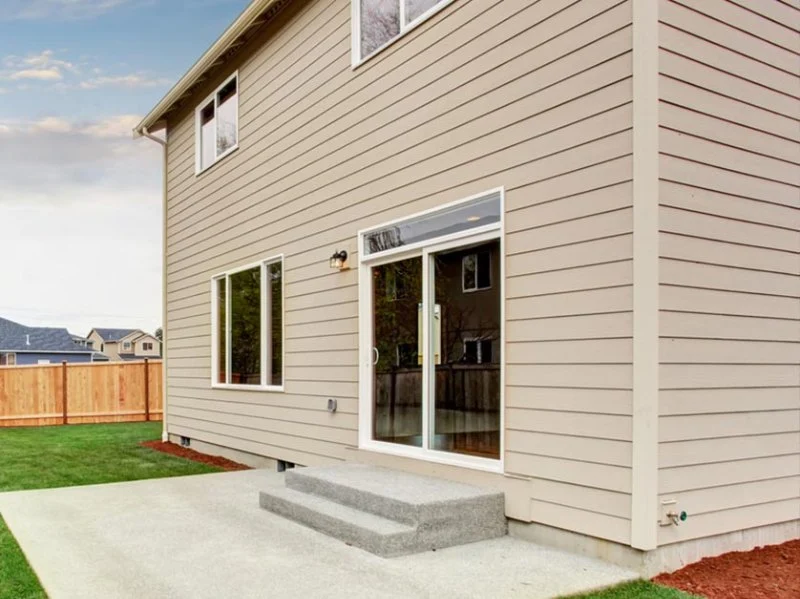
- 1. The Importance of Siding in Home Construction
- 2. How Siding Affects Indoor Air Quality
- 3. Moisture Control: Siding’s Role in Prevention
- 4. Choosing the Right Siding Material for Moisture and Air Quality
- 5. Common Siding-Related Issues and How to Address Them
1. The Importance of Siding in Home Construction
Siding is an essential component of any home’s exterior, providing both aesthetic appeal and functional benefits. It serves as the first line of defense against weather elements like rain, wind, and UV rays, ensuring your home remains structurally sound and protected. But siding does more than just improve curb appeal—it also plays a significant role in controlling indoor air quality and moisture levels within your home.
While homeowners often think of siding as primarily a protective barrier, it also impacts the energy efficiency and comfort of a home. Properly installed and high-quality siding can help reduce drafts, minimize heat loss in the winter, and prevent moisture buildup, all of which contribute to a healthier indoor environment. In this article, we will explore how siding affects both indoor air quality and moisture control and offer tips on selecting the best siding materials for these purposes.

2. How Siding Affects Indoor Air Quality
The materials and installation of your home’s siding can have a direct impact on indoor air quality. Poorly installed siding or damaged materials can allow moisture to seep into the walls, leading to mold and mildew growth, which can compromise air quality and trigger respiratory issues. Mold spores, dust mites, and other allergens thrive in damp conditions, and without proper moisture control, these contaminants can circulate indoors.
On the other hand, siding that is properly installed and maintains its integrity can prevent moisture infiltration, helping keep the home dry and air quality high. Materials like fiber cement, vinyl, or insulated siding are known to resist moisture, which reduces the likelihood of mold and mildew buildup. Ensuring your siding is sealed properly and checking for any gaps or damage regularly will help maintain a healthier indoor environment.
Liberty Roofing & Construction
East ProvidenceProvidence CountyRhode Island
154 Warren Ave, East Providence, RI 02914, USA
3. Moisture Control: Siding’s Role in Prevention
Moisture is one of the most common causes of damage to both the interior and exterior of a home. When siding is not installed correctly or deteriorates over time, it can allow water to penetrate the walls, leading to wood rot, insulation issues, and structural damage. This moisture can also promote the growth of mold and mildew, further degrading indoor air quality.
High-quality siding acts as a barrier, preventing water from seeping into the structure of the home. Properly ventilated and moisture-resistant siding materials, such as fiber cement or vinyl, are particularly effective in moisture control. These materials resist water absorption and are less likely to warp, crack, or peel over time, which helps to keep the home dry and free of moisture-related issues.
Moreover, the installation of a weather-resistant barrier beneath the siding can enhance moisture control by adding an extra layer of protection. Ensuring that the siding is not only durable but also properly sealed and maintained is key to protecting your home from moisture infiltration and the related issues that can impact both air quality and overall comfort.
4. Choosing the Right Siding Material for Moisture and Air Quality
When selecting siding for your home, it is crucial to choose materials that are both moisture-resistant and contribute positively to indoor air quality. Here are some common siding materials and their benefits when it comes to moisture control and air quality:
- Vinyl Siding: Vinyl is one of the most popular siding materials because of its affordability and low maintenance. It is highly resistant to moisture and does not absorb water, making it an excellent choice for areas prone to heavy rainfall or humidity. It also helps in preventing mold growth.
- Fiber Cement Siding: Fiber cement is a durable, moisture-resistant material that also provides superior protection against mold, mildew, and other moisture-related issues. It is a great choice for climates with high humidity or frequent rainfall.
- Wood Siding: While wood siding can add natural beauty to a home, it is more susceptible to moisture damage than vinyl or fiber cement. If you choose wood siding, ensure it is properly sealed and maintained to avoid moisture infiltration and deterioration.
- Metal Siding: Metal siding, such as aluminum or steel, is another moisture-resistant option. It provides excellent protection against the elements, is durable, and requires minimal maintenance.
When choosing siding, make sure to select a material that suits your climate and meets the moisture control needs of your home. Additionally, always ensure that the siding is installed correctly and maintained to prevent gaps or damage that could lead to moisture infiltration and air quality issues.
5. Common Siding-Related Issues and How to Address Them
While siding plays a crucial role in moisture control and indoor air quality, it can also encounter several issues over time that compromise its effectiveness. Some common siding-related problems include:
- Cracks and Gaps: Cracks or gaps in siding can allow water to penetrate, leading to mold and mildew growth. Regularly inspect your siding for damage and repair any cracks or gaps immediately to prevent water infiltration.
- Peeling Paint: For homes with wood or painted siding, peeling paint can expose the material to moisture, which increases the risk of rot and mold. Repainting and sealing your siding every few years will help maintain its protective barrier.
- Improper Installation: Poor installation of siding can lead to gaps, misalignment, or failure to seal, all of which allow moisture to enter the home. Always hire a professional installer to ensure that the siding is properly fitted and sealed.
By addressing these issues proactively, you can ensure that your siding continues to provide the necessary protection against moisture and contribute to good indoor air quality. Routine maintenance, including sealing and cleaning, will help extend the lifespan of your siding and maintain the health and comfort of your home.
If you're looking for expert advice or quality products to enhance your home’s siding and moisture control, visit Total Roofing Hub for a range of services and materials that can help improve your home's energy efficiency and air quality.

 Dovi Windows and Doors, Inc.4.0 (185 reviews)
 Rey-Crest Roofing & Waterproofing3.0 (9 reviews)
 Precision Roofing Canton0.0 (0 reviews)
 Cal Stone Construction5.0 (19 reviews)
 Nemetz Roofing2.0 (7 reviews)
 Cosme Contractor LLC4.0 (14 reviews)
 Siding Material Longevity: What to Expect After Installation
 The Ultimate Guide to Roof Replacement for Homeowners: Essential Tips and Steps
 What to Know About Roof Replacement During Real Estate Sale: Key Insights
 Should I Repair or Replace My Roof? – Expert Advice and Tips
 The Environmental Benefits of a Cool Roof: Why You Should Consider Installing One
 How to Repair Roof Flashing Around Skylights & Vents: A Complete Guide