
- 1- Understanding Roof Replacement
- 2- Signs You Need a New Roof
- 3- The Roof Replacement Process
- 4- Choosing the Right Materials for Your Roof
- 5- How Much Does Roof Replacement Cost?
- 6- Finding the Right Roofing Contractor
What is Roof Replacement?
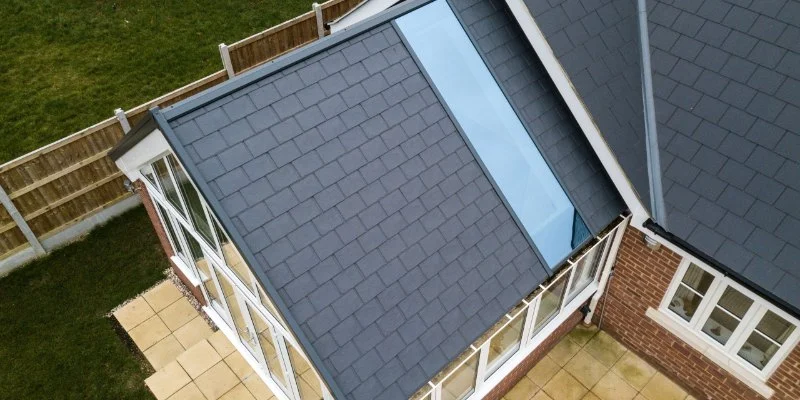
Roof replacement is a necessary process when your roof has outlived its effectiveness and can no longer protect your home from the elements. Over time, roofs deteriorate due to wear and tear, weather conditions, and aging materials. Roof replacement involves removing the old roof and installing a new one to restore the structural integrity of your home.
This ultimate guide will help homeowners understand the roof replacement process, recognize the signs that a new roof is needed, and provide valuable tips on choosing the best materials and contractors. Whether you’re a first-time homeowner or looking to replace an aging roof, this guide will provide you with the knowledge you need to make informed decisions.

1. Signs You Need a New Roof
Knowing when to replace your roof can save you from costly repairs down the road. Here are some common signs that indicate it may be time to replace your roof:
1.1. Age of the Roof: Most roofs last between 20-30 years, depending on the materials used. If your roof is nearing the end of its expected lifespan, it may be time for a replacement.
1.2. Leaks and Water Damage: If you notice water stains on the ceiling or walls, it could be a sign that your roof is leaking. Leaks are often caused by damaged shingles or gaps in the roof, and they can lead to further damage if not addressed promptly.
1.3. Missing or Damaged Shingles: Shingles that are cracked, curled, or missing entirely compromise the roof’s ability to protect your home. This is a clear indication that a replacement may be necessary.
1.4. Sagging Roof Deck: A sagging roof is a serious issue and indicates structural damage. If the roof structure is compromised, it may no longer be safe, and immediate replacement is recommended.
2. The Roof Replacement Process
The process of roof replacement involves several key steps. Here’s what you can expect when replacing your roof:
2.1. Preparation and Inspection: The first step in roof replacement is an inspection by a professional contractor. They will assess the condition of your roof and determine if a full replacement is necessary. This is also the time to discuss the materials and style of roof you want.
2.2. Removal of the Old Roof: After preparation, the old roof is removed. This includes stripping away old shingles, underlayment, and any other materials that are no longer effective. The contractor will also inspect the roof deck for any damage that needs to be repaired before installing the new roof.
2.3. Installing the New Roof: Once the old materials are removed, the new roofing materials are installed. This typically starts with a waterproof underlayment, followed by new shingles, tiles, or metal roofing materials. Depending on your choice of material, this process can vary slightly, but the goal is always to ensure a secure, waterproof layer that protects your home.
2.4. Clean-Up and Final Inspection: After the new roof is installed, the contractor will clean up the site, removing any debris, nails, and leftover materials. A final inspection will be conducted to ensure the roof has been installed correctly and meets local building codes.
3. Choosing the Right Materials for Your Roof
The materials you choose for your new roof can greatly affect its longevity, appearance, and energy efficiency. Here are the most common roofing materials:
3.1. Asphalt Shingles: Asphalt shingles are the most common and affordable roofing material. They come in a variety of colors and styles, making them a popular choice for many homeowners.
3.2. Metal Roofing: Metal roofs are durable, energy-efficient, and low-maintenance. They are more expensive than asphalt shingles but can last much longer, making them a great investment for long-term savings.
3.3. Slate and Tile Roofing: Slate and clay tiles are known for their aesthetic appeal and longevity. These materials are more expensive but offer excellent protection against weather and can increase the value of your home.
3.4. Wood Shingles and Shakes: Wood roofing materials offer a natural, rustic look. However, they require more maintenance than asphalt or metal roofs and may not be suitable for all climates.
4. How Much Does Roof Replacement Cost?
The cost of roof replacement can vary widely depending on the size of your roof, the materials used, and your location. On average, homeowners can expect to pay between $5,000 and $10,000 for a full roof replacement, with metal and tile roofs being on the higher end of the spectrum.
To get an accurate estimate, it’s important to request quotes from multiple roofing contractors. Be sure to ask for a detailed breakdown of the costs, including labor, materials, and any additional fees. While it may be tempting to choose the lowest bid, remember that quality materials and experienced contractors can save you money in the long run by preventing future repairs.
5. Finding the Right Roofing Contractor
Choosing the right roofing contractor is essential to ensuring that your roof replacement is done correctly. Here are some tips for finding a reliable contractor:
5.1. Research and Recommendations: Start by asking friends, family, or neighbors for recommendations. Research contractors online and check reviews to gauge their reputation.
5.2. Verify Credentials: Ensure that the contractor is licensed, insured, and bonded. This will protect you in case of accidents or damage during the job.
5.3. Get Multiple Quotes: Request quotes from several contractors to compare pricing and services. Be sure to ask for a written contract that outlines the scope of work, timeline, and payment schedule.
 Skyline Designs Roofing5.0 (99 reviews)
 Perfect Roofing Installations4.0 (60 reviews)
 Dog Tags Construction LLC4.0 (16 reviews)
 Gutter Shutter of Central Maryland5.0 (9 reviews)
 Sam Cline Handyman Services4.0 (37 reviews)
 Paramount Builders Inc.4.0 (302 reviews)
 Should I Repair or Replace My Roof?
 Top 10 Signs Your Roof Needs Immediate Repair Before It’s Too Late
 The Pros and Cons of Vinyl Siding: Is It the Right Choice for Your Home?
 How to Choose a Reliable Roofing Contractor Near You – Expert Tips
 Top 10 Signs Your Roof Needs Immediate Repair You Shouldn’t Ignore
 How to Spot Hail Damage on Your Roof | Quick Guide for Homeowners