
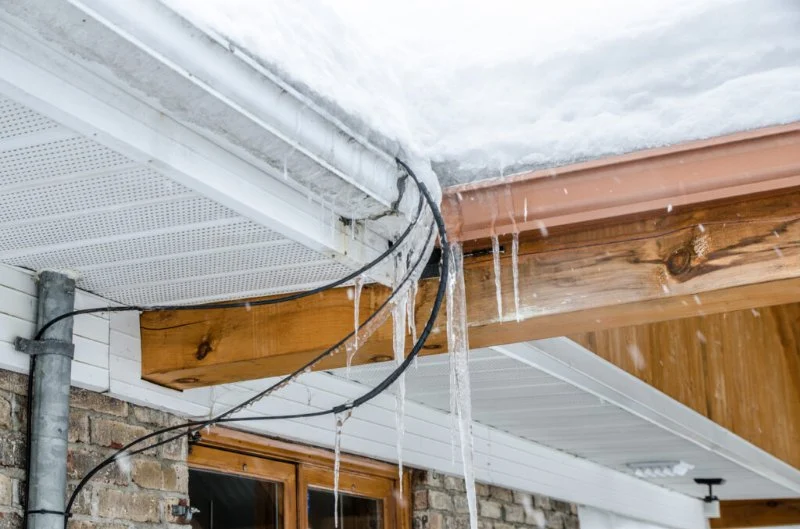
- What is Roof Underlayment?
- Role of Roof Underlayment in Preventing Ice Dams
- How Roof Underlayment Helps Prevent Leaks
- Types of Roof Underlayment
- Choosing the Right Roof Underlayment for Your Home
What is Roof Underlayment?
Roof underlayment is a protective layer of material installed beneath the roofing shingles or tiles. Its primary function is to provide an extra barrier against the elements, including water, snow, and ice. Roof underlayment serves as a crucial defense against leaks, ice dams, and moisture damage, ensuring that your home remains dry and safe from the elements.

Role of Roof Underlayment in Preventing Ice Dams
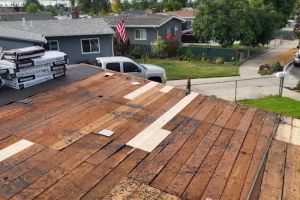
Ice dams are a common problem in colder climates, where snow accumulates on the roof and melts from the heat escaping from the attic. As the melted water reaches the colder eaves of the roof, it refreezes, creating a barrier of ice. Over time, this ice buildup can force water under the shingles, leading to leaks and water damage inside the home.
1.1 How Underlayment Prevents Ice Dams
Roof underlayment acts as an added layer of protection against the formation of ice dams. It helps create a waterproof barrier that prevents water from seeping under the shingles, even if ice dams do form. The most effective underlayments for preventing ice dams are those designed with enhanced waterproofing properties, such as self-adhesive membranes. These membranes bond tightly to the roof deck, ensuring a strong barrier against water infiltration.
1.2 Importance of Ice and Water Shield
Ice and water shields, a type of self-adhesive underlayment, are particularly effective in preventing ice dams. These products form a seamless, watertight seal that prevents water from flowing beneath the shingles, offering extra protection along the roof’s edges where ice dams are most likely to form.
How Roof Underlayment Helps Prevent Leaks
Leaks can occur due to various factors such as heavy rain, wind-driven rain, or damaged shingles. Roof underlayment helps prevent leaks by adding an additional layer of defense. Here’s how:
2.1 Creating a Waterproof Barrier
In case of a damaged or missing shingle, roof underlayment ensures that water doesn’t infiltrate the roof deck. The underlayment forms a protective shield that prevents water from entering your attic or the interior of your home, even if a shingle is compromised.
2.2 Preventing Moisture Penetration
Underlayment also prevents moisture from seeping into the roof deck, which can lead to mold growth and wood rot. By creating a waterproof barrier, underlayment safeguards the structural integrity of your home, extending the life of your roof and preventing costly repairs.
2.3 Protecting Against Wind-Driven Rain
During storms with strong winds, rain can be driven beneath the shingles, leading to potential leaks. A high-quality underlayment provides an extra layer of defense against this type of water penetration, helping to ensure that your home stays dry even in the most challenging weather conditions.
Types of Roof Underlayment
Not all roof underlayments are the same. There are several types, each designed to address specific needs and conditions. Here’s an overview of the most common types:
3.1 Asphalt-Saturated Felt
Asphalt-saturated felt is a traditional underlayment that’s been used for decades. It’s durable, affordable, and provides a good level of water resistance. However, it’s not as effective in extreme weather conditions as some newer materials.
3.2 Synthetic Underlayment
Synthetic underlayment is a modern alternative to felt. It’s lightweight, durable, and resistant to tears and rips. Synthetic options also provide superior water resistance, making them ideal for areas prone to ice dams and leaks.
3.3 Self-Adhesive Membranes
Self-adhesive membranes, such as ice and water shields, are the most advanced type of underlayment. These products offer excellent waterproofing properties, bonding directly to the roof deck for maximum protection against water infiltration. They are especially effective in areas where ice dams are a concern.
Choosing the Right Roof Underlayment for Your Home
When selecting the right roof underlayment, it’s important to consider your local climate, roof type, and budget. Here are some factors to help guide your decision:
4.1 Local Climate Considerations
If you live in a region that experiences heavy snowfall or frequent storms, it’s essential to choose an underlayment with superior waterproofing properties, such as a self-adhesive membrane. For milder climates, asphalt-saturated felt may suffice.
4.2 Roof Type and Structure
The type of roof you have will also influence your choice of underlayment. Steep-pitched roofs may benefit from a synthetic underlayment, while flat roofs may require a more robust, adhesive-backed membrane to prevent water pooling.
4.3 Budget and Durability
While higher-end underlayments such as self-adhesive membranes can be more expensive, they offer the best protection in terms of durability and water resistance. Weighing the upfront cost against long-term protection is essential when making your decision.
For the best selection of roofing materials and professional advice on roof underlayment, visit Total Roofing Hub to find the right products for your home.




 Scottsdale Roofing and Gutters5.0 (109 reviews)
 Sentri Roofing4.0 (417 reviews)
 Quality Roofing of Byron5.0 (7 reviews)
 Texas Roofing & Leak Repair4.0 (205 reviews)
 Remove & Replace, LLC4.0 (88 reviews)
 Xtreme Roofing & Construction4.0 (72 reviews)
 Role of Roof Sheathing Moisture Barrier: Why It’s Essential for Your Roof
 How Siding Affects Indoor Air Quality & Moisture Control
 How to Replace Roof Felt or Underlayment Yourself (with Caution)
 Siding Material Maintenance in Maple Wood, Cedar or Composite: Tips for Long-Lasting Protection
 Siding for Today’s Homeowners: Trends in Color & Material
 Everything You Need to Know About Roof Warranties