- 1- Roofing Materials and Their Performance
- 2- Climate Influence on Roof Performance
- 3- Best Roofing Materials for Hot Climates
- 4- Best Roofing Materials for Cold Climates
- 5- Roofing Materials for Humid Climates
- 6- Case Study: Roof Performance in Different Climates
- 7- Choosing the Right Roof for Your Climate
1. Roofing Materials and Their Performance
When choosing a roofing material, it's essential to understand how different materials perform under various environmental conditions. Each roofing material has unique properties that make it suitable for specific climates. The performance of a roof can be affected by temperature fluctuations, humidity, rain, wind, and exposure to UV rays. Here, we'll look at how common roofing materials, such as asphalt shingles, metal, tile, and slate, perform in different climates and their long-term durability.
2. Climate Influence on Roof Performance
Climate is one of the most significant factors in determining the lifespan and effectiveness of your roof. Different climates can cause materials to expand, contract, or degrade in various ways. Understanding how your local climate influences roof performance can help you choose the best material for your needs.
For example, in hot climates, UV rays can cause materials to deteriorate faster, while cold climates can cause freezing and thawing cycles that lead to cracks and leaks. Humid climates, on the other hand, promote the growth of mold and algae, which can affect the roof's appearance and function.

Cambria Construction Group, LLC
630 Olympic Dr Building C, Athens, GA 30605, USA
3. Best Roofing Materials for Hot Climates
In hot climates, roofs need to handle extreme heat, intense sunlight, and temperature fluctuations. Some materials are better equipped to reflect sunlight and reduce heat buildup in the attic, which can improve energy efficiency and extend the life of your roof.
- Metal Roofing: Metal roofs are a great option for hot climates due to their ability to reflect sunlight and resist heat absorption. They are durable, lightweight, and offer excellent protection against UV rays.
- Clay or Concrete Tiles: Tile roofs are popular in hot climates because of their ability to withstand high temperatures. The spaces between the tiles allow for ventilation, which helps keep the roof cool.
- Shingles with Reflective Coating: Asphalt shingles can be enhanced with reflective coatings that help reduce heat absorption. These shingles are affordable, easy to install, and can be a good option for those looking for energy efficiency in hot climates.
4. Best Roofing Materials for Cold Climates
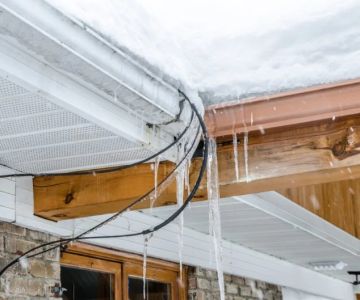
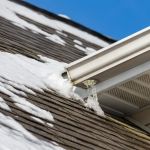
In cold climates, roofs must endure heavy snow, ice, and freezing temperatures. A roof that can withstand the weight of snow and prevent ice dams from forming is crucial. Here are some materials that perform well in cold climates:
- Asphalt Shingles: Asphalt shingles are an affordable and durable choice for cold climates. Their ability to shed snow and prevent ice dams makes them ideal for regions with heavy snowfalls.
- Metal Roofing: Metal roofs are also a great option for cold climates because they allow snow to slide off easily, preventing snow accumulation and ice dam formation. They also provide excellent protection against freezing temperatures.
- Slate Roofing: Slate is a natural material that is highly durable and resistant to cold temperatures. It can withstand snow, ice, and freezing conditions while offering a long lifespan.
5. Roofing Materials for Humid Climates
In humid climates, the primary concern for roof performance is moisture, which can lead to mold, algae growth, and corrosion. It's important to choose materials that can resist moisture buildup and handle high humidity levels effectively.
- Metal Roofing: Metal roofs are resistant to moisture and won't rot or warp in humid conditions. They also prevent the growth of algae and mold, making them a popular choice for humid regions.
- Clay Tiles: Clay tiles are highly durable and resistant to moisture. They are a great choice for humid climates because they allow air to flow freely between the tiles, reducing moisture buildup.
- Asphalt Shingles with Algae-Resistant Coating: In humid climates, asphalt shingles with algae-resistant coatings can help prevent mold and algae growth, keeping your roof looking clean and functioning well.
6. Case Study: Roof Performance in Different Climates
In 2018, a roofing contractor in Florida worked with a homeowner whose asphalt shingles had started to deteriorate after just a few years. The roof was exposed to constant sun and high humidity, which accelerated wear. The contractor recommended replacing the shingles with a reflective metal roof, which would not only provide better durability but also improve the energy efficiency of the home by reflecting the sun’s rays. This case illustrates how climate plays a significant role in roof performance and how choosing the right material can extend the life of the roof and reduce maintenance costs.
7. Choosing the Right Roof for Your Climate
Choosing the right roof for your climate is essential to ensure your home is protected and your roof lasts for many years. Consider factors like temperature extremes, precipitation, humidity, and UV exposure when selecting a roofing material. Here are some general tips to help guide your decision:
- Assess Your Local Climate: Understand your local climate conditions, including seasonal temperature changes, humidity levels, and the frequency of storms or snowfalls.
- Evaluate Roof Durability: Look for materials that offer durability and long-term performance, particularly if you live in an area with extreme weather conditions.
- Consider Energy Efficiency: Opt for materials that can help improve your home’s energy efficiency, especially if you live in a hot climate where cooling costs can be high.
For expert advice on roofing materials tailored to your climate, visit Total Roofing Hub to find the best products and services for your needs.
 iTouch Roofing4.0 (17 reviews)
 Home Front Builders Group5.0 (4 reviews)
 GG Quality Construction0.0 (0 reviews)
 Tuscano-Maher Roofing4.0 (9 reviews)
 RIO Creations LLC4.0 (44 reviews)
 NuEra Contracting5.0 (25 reviews)
 Best Roofing Materials for Cold Climates | Roofing Tips and Maintenance
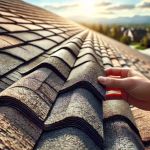 How Long Do Asphalt Shingles Last? Learn About Their Lifespan
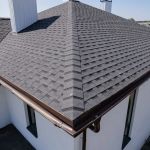 How Much Does a New Roof Cost in 2025?
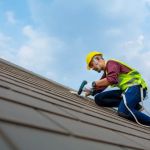 Should I Repair or Replace My Roof? – Key Factors to Consider
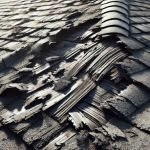 Average Lifespan of Asphalt Shingle Roofs | Tips for Homeowners
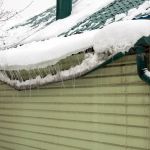 How to Prevent Ice Dams – Roof Overhangs, Shingles & Ventilation