How Roof Age Contributes to Failure
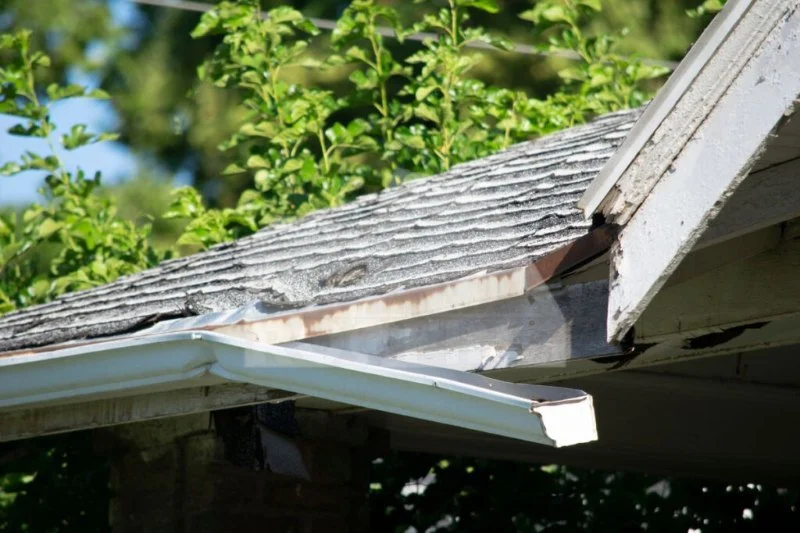
As a roof ages, its materials naturally deteriorate. Over time, the roofing materials may become brittle, cracked, or lose their protective qualities. Roofs typically have a lifespan of 20-30 years, depending on the materials used, but once they surpass their prime, the chances of failure increase dramatically.
Older roofs are more vulnerable to damage from weather events, and their inability to shed water effectively can lead to pooling, leaks, and mold growth. For example, asphalt shingles tend to wear down faster than other materials like metal or slate, resulting in potential leaks and water infiltration. Roof maintenance becomes crucial as your roof ages, and it is often more cost-effective to replace a deteriorating roof rather than continually patching it.
The Role of Weather in Roof Failure
Extreme weather conditions are among the most common causes of roof failure. Weather-related damage can occur due to high winds, heavy rain, snow, and even the heat from the sun. High winds, for instance, can lift shingles or cause debris to hit the roof, damaging the surface. This often leads to leaks and, eventually, structural damage if left untreated.
In colder climates, snow and ice can accumulate on the roof, causing a phenomenon known as "ice damming." This happens when ice builds up at the roof's edge and prevents melting snow from draining off. As the water backs up under the shingles, it can leak into the home, causing water damage inside. Similarly, in areas prone to frequent storms, hail can cause dents, cracks, or tears in roofing materials, making the roof more susceptible to further damage.
How Poor Installation Leads to Roof Damage
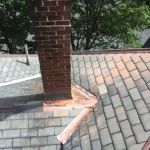
Poor installation is another major contributor to roof failure. If a roof is not installed properly, it may not provide the protection it was designed for. Common installation mistakes include improper flashing around chimneys and vents, incorrect nailing of shingles, and using inferior materials.
For instance, improperly installed flashing can lead to water leakage around roof penetrations, such as vents and chimneys. Similarly, incorrect shingle installation can cause them to become loose, leading to water infiltration and further damage. Choosing the right roofing contractor is essential in ensuring that the roof is installed to code and performs well over time.
Real-World Examples of Roof Failures
Real-world cases highlight the impact of poor installation, aging roofs, and weather events. Take, for example, a homeowner in New York who experienced significant roof leaks after an intense winter storm. The roof, which was more than 20 years old, was poorly maintained, and the heavy snow led to ice damming. The resulting leaks caused water damage in the attic, creating a costly repair situation.
In another case, a family in Florida had to replace their roof prematurely due to installation errors. The roofing contractor failed to secure the shingles properly, and over time, the wind from tropical storms caused the shingles to lift, leading to water infiltration. By the time the homeowners discovered the problem, the damage had spread throughout the roof, leading to a complete replacement instead of simple repairs.
Effective Solutions to Prevent Roof Failures
Preventing roof failure begins with proper installation and regular maintenance. Here are some tips to protect your roof and avoid costly repairs:
- Choose a Reputable Roofing Contractor: Ensure the contractor follows all industry standards for roof installation, and always check their credentials and reviews.
- Regular Inspections: Have your roof inspected at least once a year, and more frequently if your roof is over 10 years old or after a major storm.
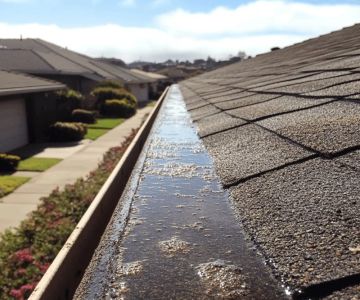
- Maintain Roofs and Gutters: Clean gutters regularly to ensure proper drainage and prevent water buildup on the roof. This can also prevent ice dams in colder climates.
- Address Damage Promptly: Repair minor issues like missing shingles or leaks before they turn into larger problems that require a full roof replacement.
If you're looking for top-notch roofing products or services, Total Roofing Hub offers the best solutions for homeowners. From durable roofing materials to expert roof repair services, we provide everything you need to ensure your roof stays strong and protected.

 Advanced Property Services5.0 (1 reviews)
 Romeros Quality Construction Llc5.0 (22 reviews)
 Reliable Roofing5.0 (5 reviews)
 Hawkins Roofing4.0 (1 reviews)
 RCUSA - Roofing & Construction4.0 (45 reviews)
 Morris County Roofing and Siding, LLC5.0 (49 reviews)
 How Much Does a New Roof Cost in 2025?
 Siding Patterns & Layout Trends That Resonate with Buyers
 Siding Consumer Trends: What Homeowners Are Searching in 2025
 What to Expect During a Roof Inspection: A Homeowner's Guide
 Siding Repair After Fire or Smoke Damage
 The Complete Guide to Metal Roofing Systems for Long-lasting Protection