
- 1. Introduction: The Importance of Siding in Fire Protection
- 2. Materials That Offer Superior Fire Protection for Siding
- 3. Fire Safety Codes and Regulations for Siding
- 4. Best Practices for Installing Fire-Resistant Siding
- 5. Real-World Examples of Fire-Resistant Siding in Action
1. Introduction: The Importance of Siding in Fire Protection
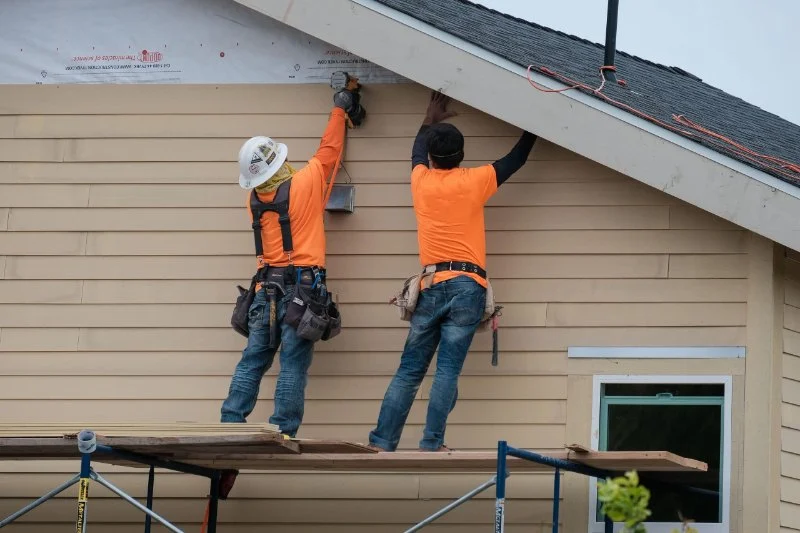
When it comes to protecting your home from the devastating effects of fire, siding plays a crucial role. Fire-resistant siding materials can help slow the spread of flames and protect your home from fire damage. Whether you live in a wildfire-prone area or simply want to enhance the safety of your home, choosing the right siding material is essential. In this article, we will explore the best fire-resistant siding materials, relevant fire safety codes, and best installation practices.
Mohawk Valley Roofing
Little FallsHerkimer CountyNew York
475 Saltsman Rd, Little Falls, NY 13365, USA
2. Materials That Offer Superior Fire Protection for Siding
Selecting the right materials for your home's exterior is one of the most important decisions when it comes to fire protection. Below are some of the best materials for siding that offer superior fire resistance:
- Cement Board Siding: Made from a combination of cement, sand, and cellulose fibers, cement board siding is highly fire-resistant and durable. It is an excellent option for homes in fire-prone areas.
- Metal Siding: Metal, such as aluminum and steel, is non-combustible and offers a high level of fire resistance. It’s a popular choice for homeowners looking for long-lasting protection.
- Brick and Stone Veneer: Both brick and stone are naturally fire-resistant materials. They not only provide excellent fire protection but also add an elegant, classic look to your home.
- Fiber Cement Siding: Fiber cement is made from a mixture of cement, sand, and cellulose fibers. It’s highly resistant to fire and provides durability against various weather conditions.
- Stucco: This traditional siding material is highly fire-resistant and is often used in areas where fire safety is a concern. It provides a solid, protective barrier against flames.
3. Fire Safety Codes and Regulations for Siding
Understanding and adhering to local fire safety codes is essential when installing fire-resistant siding. These codes are put in place to help ensure that homes are as safe as possible in the event of a fire. Some key regulations to consider include:
- Class A Fire Rating: The best fire-resistant materials are those with a Class A fire rating, which indicates the highest level of fire resistance. Materials with a Class A rating can withstand severe fires and are recommended for homes in high-risk areas.
- Local Building Codes: Many regions have specific building codes that require the use of fire-resistant materials in certain zones. Be sure to check with your local building department to ensure compliance with regulations.
- Fire-Resistant Exterior Walls: Some jurisdictions may require fire-resistant exterior walls for homes that are located near areas prone to wildfires. These regulations are designed to prevent fire spread from external sources like wildfires.
4. Best Practices for Installing Fire-Resistant Siding
While choosing fire-resistant materials is essential, proper installation is equally important to ensure optimal protection. Below are some best practices for installing fire-resistant siding:
- Proper Ventilation: Ensure that the siding is installed with proper ventilation to prevent heat buildup, which could lead to increased fire risk.
- Sealing Gaps and Joints: Gaps between siding pieces can allow flames to penetrate. Sealing joints and gaps with fire-resistant caulking will help keep flames from entering your home.
- Maintain Clearances: Keep any combustible materials, such as mulch, leaves, or debris, away from the siding to prevent fire hazards.
- Regular Maintenance: Check your siding regularly for damage, cracks, or gaps. Repairing any damage immediately will help maintain the fire-resistant integrity of your home.
5. Real-World Examples of Fire-Resistant Siding in Action
There are several real-world examples of fire-resistant siding protecting homes during wildfires and other fire-related disasters. For instance, homes in California, where wildfires are a frequent threat, often use metal and cement board siding to withstand the extreme heat and flying embers. These homes have shown to be significantly more resilient compared to those with traditional wood siding.
Another example comes from the Australian wildfires, where homes built with fire-resistant materials, including brick and stucco, fared much better in containing fire damage compared to other properties. These case studies highlight the importance of investing in fire-resistant siding materials for long-term safety.
To ensure your home is adequately protected, visit Beautiful Landscapes for recommendations on fire-resistant siding materials and professional installation services.

 A&T Ventures Inc.5.0 (4 reviews)
 Erie Home4.0 (18 reviews)
 New Look Exteriors4.0 (122 reviews)
 Teak Ridge5.0 (15 reviews)
 Fix It Atlanta4.0 (21 reviews)
 Thompson Remodeling and Home Repair, Inc.3.0 (13 reviews)
 How to Maintain Your Siding Year Round
 Top 10 Signs Your Roof Needs Immediate Repair | Roofing Guide for U.S. Homeowners
 DIY Roof Maintenance Tips That Actually Work
 Siding Upgrade Ideas That Don’t Break the Bank
 The Environmental Benefits of a Cool Roof: Reduce Heat and Energy Costs
 Roof Damage Hidden Behind Drywall or Interior Ceilings: What You Need to Know