
How to Maintain Your Siding Year Round
- 1- Understanding Different Types of Siding
- 2- Seasonal Maintenance Tips for Siding
- 3- How to Properly Clean Your Siding
- 4- How to Inspect Your Siding for Damage
- 5- Repairing Common Siding Issues
1- Understanding Different Types of Siding
When it comes to maintaining your siding year-round, it’s important to know what type of siding you have, as each material requires specific care. Common types of siding include vinyl, wood, aluminum, fiber cement, and stucco. Each material has its pros and cons, and understanding them will help guide your maintenance routine:
1.1- Vinyl Siding
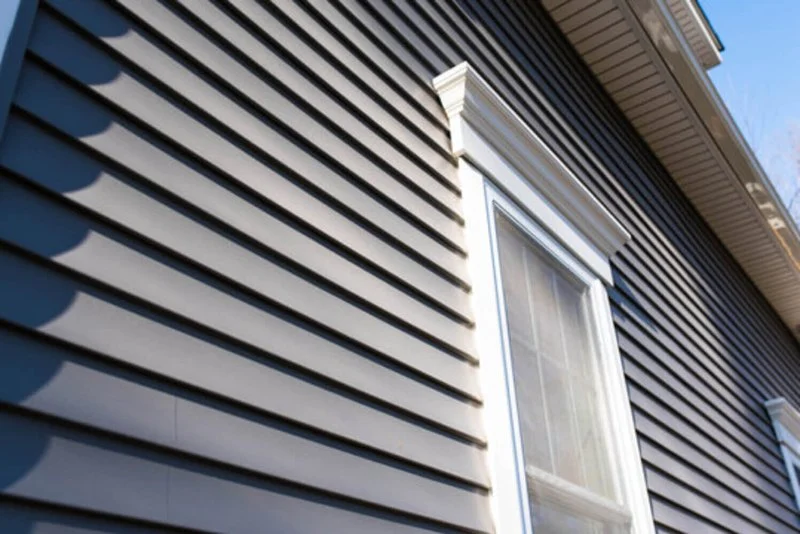
Vinyl siding is one of the most popular options due to its durability, low maintenance, and variety of colors. It is resistant to moisture, which makes it a great choice for humid or rainy regions. However, vinyl can fade over time, especially when exposed to intense sunlight.

1.2- Wood Siding
Wood siding offers a classic look and natural appeal. However, it requires more maintenance than vinyl because it is susceptible to weathering, rot, and insect damage. Regular sealing and staining are essential to protect the wood from moisture and UV rays.
1.3- Fiber Cement Siding
Fiber cement siding is known for its strength and fire resistance. It offers the appearance of wood or stone but requires less maintenance. While it’s durable, it’s heavier than vinyl or wood, so proper installation is key to preventing issues like cracking or chipping.
1.4- Stucco Siding
Stucco provides a unique texture and is common in warmer climates. It’s durable but can crack over time, especially in areas with freeze-thaw cycles. Regularly checking for cracks and repairing them promptly will extend its lifespan.
2- Seasonal Maintenance Tips for Siding
Proper maintenance of your siding should be adjusted based on the changing seasons. Each season brings different challenges for siding care:
2.1- Winter Maintenance
In winter, freezing temperatures and snow can cause moisture to get trapped in the siding, which can lead to cracks and other damage. Ensure that your siding is free of debris and that all gaps or cracks are sealed to prevent water from getting in. Also, consider trimming back any tree branches that could cause damage to the siding during a snowstorm.
2.2- Spring Maintenance
Spring is a great time to perform a full inspection of your siding after winter’s toll. Check for any signs of water damage, mold, or dirt buildup that may have occurred over the colder months. This is also a good time to clean the siding and make any necessary repairs, especially if harsh winter weather caused cracks or dents.
2.3- Summer Maintenance
Summer’s heat and sun can cause your siding to fade or warp, particularly if it's vinyl. Regular washing is important to remove any dirt or grime that may have accumulated. If you notice fading, you may want to consider applying a protective coat or using UV-resistant products to maintain the color and integrity of your siding.
2.4- Fall Maintenance
As fall approaches, leaves and debris can accumulate around the base of your siding. This can cause moisture to build up, which can lead to rot or mold. Ensure that gutters are cleaned regularly and that no debris is allowed to remain against the siding. Fall is also a good time to inspect for any loose panels or issues before winter arrives.
3- How to Properly Clean Your Siding
Cleaning your siding is an essential part of maintaining its appearance and durability. Here’s how you can clean each type of siding effectively:
3.1- Cleaning Vinyl Siding
Vinyl siding can be easily cleaned with a mixture of water and mild detergent. Use a soft brush or a pressure washer on a low setting to remove dirt, mold, or mildew. Avoid using harsh chemicals that could damage the finish.
3.2- Cleaning Wood Siding
Wood siding requires a gentler approach. Avoid power washing, as it can damage the wood. Instead, use a soft brush and a mixture of water and wood cleaner. You may also need to reseal the wood every few years to maintain its look and protect it from the elements.
3.3- Cleaning Fiber Cement Siding
Fiber cement siding can be cleaned with a pressure washer or a scrub brush. If using a pressure washer, keep the nozzle at least a foot away from the surface to prevent damage. Clean regularly to avoid the buildup of dirt, algae, or mold.
3.4- Cleaning Stucco Siding
Stucco can be tricky to clean because of its porous texture. A soft brush and a mild detergent solution will help remove dirt. Avoid power washing, as it can damage the surface. Check for cracks while cleaning, and repair them immediately to prevent further damage.
4- How to Inspect Your Siding for Damage
Regular inspections are key to catching siding issues early. Here’s how you can inspect your siding for damage:
4.1- Visual Inspection
Walk around your home and visually inspect the siding for any cracks, holes, or loose panels. Pay special attention to areas where water could infiltrate, such as around windows, doors, and corners.
4.2- Check for Moisture
Look for signs of moisture or mold growth. If your siding feels damp to the touch or if you notice mold, it's time to address the issue before it causes more extensive damage.
4.3- Look for Pest Damage
Check for signs of insect damage, particularly if you have wood siding. Small holes, sawdust, or visible bugs could be a sign that pests are damaging your siding.
5- Repairing Common Siding Issues
When issues arise with your siding, it's important to address them promptly to prevent further damage. Here are some common siding repairs:
5.1- Repairing Cracks and Holes
For minor cracks or holes, you can use a patching compound or caulk, depending on the material. For larger issues, you may need to replace damaged panels or planks. Ensure the new material matches the existing siding for a uniform appearance.
5.2- Replacing Loose Panels
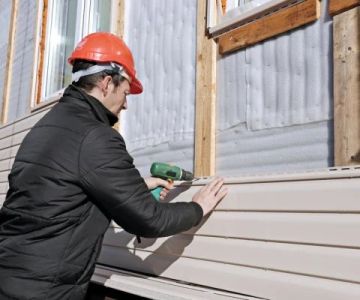
If a panel becomes loose due to wind or damage, it should be secured or replaced. Depending on the type of siding, this can be a relatively simple DIY fix, but ensure the new panel fits securely and aligns with the rest of the siding.
5.3- Fixing Water Damage
Water damage is a serious issue, especially for wood or fiber cement siding. If you notice water stains or warped panels, you may need to replace damaged sections and check for underlying issues like poor drainage or leaking pipes.
By performing regular maintenance and inspections, you can extend the life of your siding and maintain the aesthetic appeal of your home. For expert help or products to assist with siding care, visit Total Roofing Hub for recommendations on quality siding products and services!
 Skyline Designs Roofing5.0 (99 reviews)
 Perfect Roofing Installations4.0 (60 reviews)
 Dog Tags Construction LLC4.0 (16 reviews)
 Gutter Shutter of Central Maryland5.0 (9 reviews)
 Sam Cline Handyman Services4.0 (37 reviews)
 Paramount Builders Inc.4.0 (302 reviews)
 Should I Repair or Replace My Roof?
 Top 10 Signs Your Roof Needs Immediate Repair Before It’s Too Late
 The Pros and Cons of Vinyl Siding: Is It the Right Choice for Your Home?
 How to Choose a Reliable Roofing Contractor Near You – Expert Tips
 Top 10 Signs Your Roof Needs Immediate Repair You Shouldn’t Ignore
 How to Spot Hail Damage on Your Roof | Quick Guide for Homeowners