- 1. Introduction: What is Vinyl Siding?
- 2. Benefits of Vinyl Siding
- 3. Drawbacks of Vinyl Siding
- 4. Is Vinyl Siding the Right Choice for Your Home?
- 5. Conclusion: Making an Informed Decision
1. Introduction: What is Vinyl Siding?
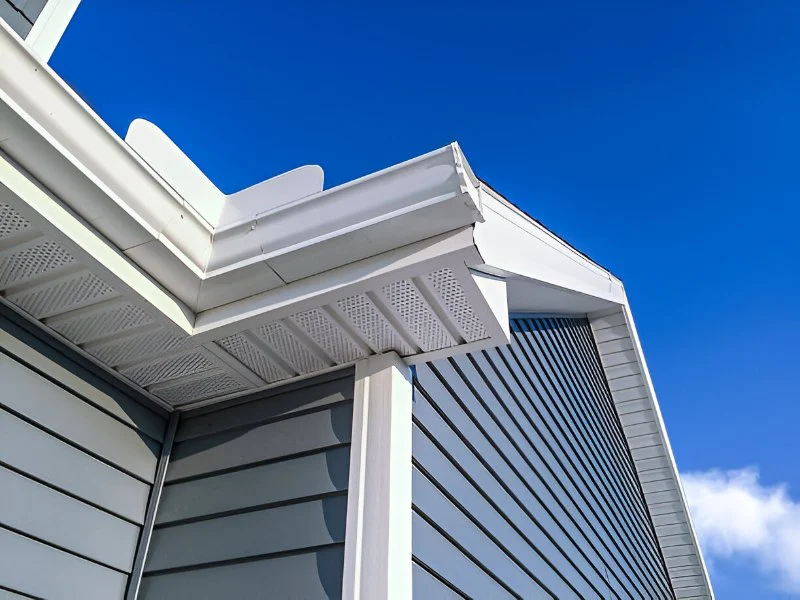
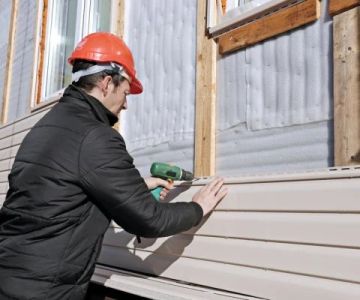
Vinyl siding is one of the most popular options for home exteriors due to its affordability, durability, and low maintenance. Made from polyvinyl chloride (PVC), vinyl siding is designed to mimic the look of wood, offering a wide range of colors and styles to complement various home designs. However, like any material, vinyl siding has both advantages and disadvantages, which should be considered before making a decision. In this article, we’ll dive into the pros and cons of vinyl siding to help you determine if it’s the right choice for your home.
All Experienced LLC
Little Falls TownshipPassaic CountyNew Jersey
42 Cedar Grove Rd, Little Falls Township, NJ 07424, USA
2. Benefits of Vinyl Siding
When considering siding options for your home, vinyl siding comes with several benefits that make it an attractive choice:
1. Cost-Effective: Vinyl siding is one of the most affordable siding materials available, especially when compared to alternatives like wood or brick. This makes it an ideal option for homeowners on a budget.
2. Low Maintenance: Unlike wood siding that requires regular painting or staining, vinyl siding requires minimal upkeep. It’s resistant to rot, pests, and doesn’t need to be repainted, making it a hassle-free option for homeowners.
3. Durability: Vinyl siding is designed to withstand harsh weather conditions, including rain, snow, and high winds. It’s resistant to cracking, warping, and fading, ensuring that your home’s exterior stays looking great for years.
4. Variety of Styles and Colors: Vinyl siding comes in a wide range of styles, from traditional horizontal panels to modern vertical options. Additionally, it’s available in numerous colors, allowing homeowners to find a look that suits their home’s aesthetic.
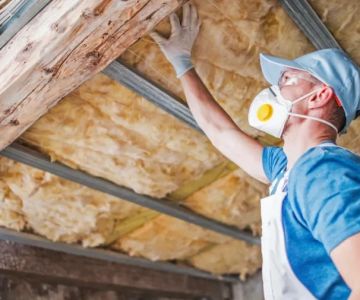
5. Energy Efficiency: Some vinyl siding options come with insulation backing, which can help improve your home’s energy efficiency by reducing heat transfer. This can lead to lower energy bills, especially in colder climates.

3. Drawbacks of Vinyl Siding
While vinyl siding offers many benefits, it’s not without its drawbacks. Here are some potential downsides to consider:
1. Limited Repair Options: If vinyl siding becomes damaged, such as by cracking or puncturing, it can be difficult to repair. In many cases, the damaged panel may need to be replaced entirely, which could be costly.
2. Environmental Impact: Vinyl siding is made from PVC, a material that is not biodegradable and can contribute to environmental pollution. Additionally, the manufacturing process for vinyl siding produces harmful emissions, raising concerns about its environmental footprint.
3. Fading Over Time: While vinyl siding is resistant to fading, it can lose its color over time, especially when exposed to prolonged sunlight. Some colors may fade more quickly than others, requiring a replacement or touch-up.
4. Vulnerability to Extreme Weather: While vinyl siding is durable, it can become brittle and crack in extremely cold temperatures. Additionally, it may warp or become damaged during severe storms, such as hail or high winds.
4. Is Vinyl Siding the Right Choice for Your Home?
When deciding if vinyl siding is the right choice for your home, it’s essential to weigh the pros and cons based on your specific needs and circumstances. Consider factors such as your budget, climate, and the amount of maintenance you're willing to perform. If you’re looking for a cost-effective, low-maintenance option that provides good durability and aesthetic appeal, vinyl siding may be an excellent choice.
However, if you live in an area prone to extreme weather conditions or if environmental impact is a concern for you, it might be worth exploring alternative siding materials. For example, fiber cement siding offers similar durability but with a more eco-friendly profile.
5. Conclusion: Making an Informed Decision
Ultimately, the decision to choose vinyl siding for your home depends on your individual preferences and priorities. While it’s a cost-effective and low-maintenance option with many benefits, it’s important to consider the potential drawbacks as well. If you decide that vinyl siding is the right choice for your home, be sure to work with a trusted contractor who can help you select the best type and ensure proper installation.
If you’re still unsure, don’t hesitate to explore other siding materials or consult with a professional to guide you through the decision-making process. And for all your roofing and siding needs, visit Total Roofing Hub for expert advice, recommendations, and quality services.

 Marc Joseph remodeling5.0 (1 reviews)
 PRS Roofing Inc5.0 (9 reviews)
 KAPS CONSTRUCTION4.0 (5 reviews)
 Marshall Exteriors, LLC4.0 (213 reviews)
 S.W.A.T. Roofing & Consulting4.0 (46 reviews)
 MATFI RENOVATIONS LLC5.0 (23 reviews)
 Siding Material Fire Ratings: What’s Required & What to Choose
 Roof Talk: Common Terminology Every Homeowner Should Know
 How Often Should You Replace Your Home's Siding? Expert Tips on Siding Longevity
 The Average Lifespan of Asphalt Shingle Roofs: How Long Do They Last?
 How to Choose a Reliable Roofing Contractor Near You | Top Tips and Questions
 Should I Repair or Replace My Roof? – Expert Guide for U.S. Homeowners