- 1- What is Metal Roofing?
- 2- Types of Metal Roofing
- 3- Benefits of Metal Roofing
- 4- Metal Roof Installation Process
- 5- Metal Roof Maintenance
- 6- Choosing the Right Metal Roof for Your Home
1. What is Metal Roofing?
Metal roofing is a popular roofing system made from a variety of metals, including steel, aluminum, copper, and zinc. Known for its durability and long lifespan, metal roofing has become an increasingly popular choice for both residential and commercial buildings. It’s designed to withstand harsh weather conditions, resist corrosion, and provide superior protection against the elements.
Over the years, metal roofs have evolved to offer various styles, colors, and materials, making them a versatile option for homeowners looking for both functionality and aesthetic appeal. In this guide, we will cover everything you need to know about metal roofing, from its benefits to the types available and how it’s installed.
JAG Roofing and Restoration LLC.
5870 Hwy 6 N Suite 205, Houston, TX 77084, USA
2. Types of Metal Roofing
Metal roofing systems come in a range of styles and materials, each offering its own set of advantages. Here are the most common types of metal roofs:
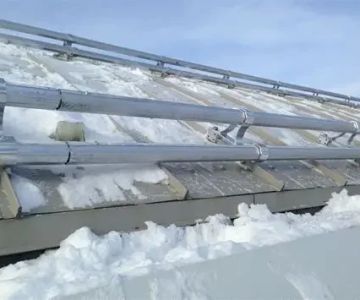
2.1. Standing Seam Metal Roofing: This is one of the most popular types of metal roofing. It features vertical panels with raised seams that interlock to create a watertight seal. Standing seam metal roofs are highly durable, require minimal maintenance, and are ideal for areas with heavy rainfall or snow.
2.2. Metal Shingles: Metal shingles are designed to resemble traditional shingles, but they offer the benefits of metal roofing, including durability and energy efficiency. They are available in various styles and colors and are an excellent choice for homeowners who want the aesthetic appeal of traditional roofing materials with the added benefits of metal.
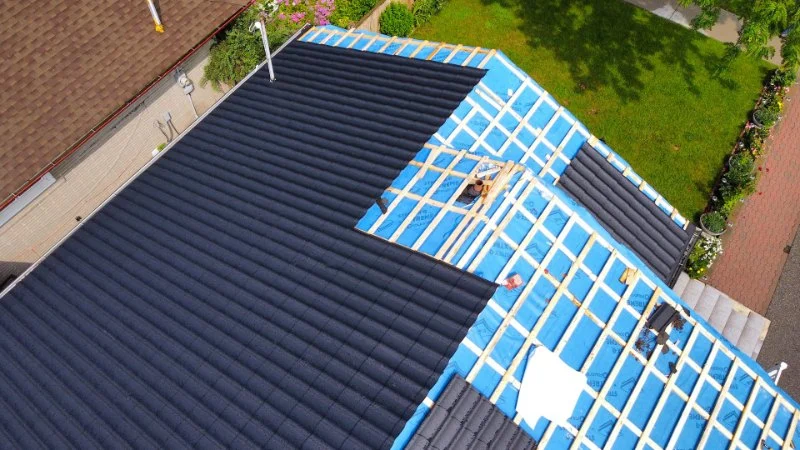
2.3. Metal Tiles: Similar to metal shingles, metal tiles offer a distinct look, resembling clay or slate tiles. These are popular in areas with Mediterranean or Spanish-style architecture. Metal tiles are lightweight and resistant to wind and fire, making them a great option for a variety of climates.
2.4. Corrugated Metal Roofing: Corrugated metal roofs are typically made from galvanized steel or aluminum and feature a wavy pattern. They are commonly used in industrial or agricultural settings, but they are also becoming more popular for residential use due to their affordability and durability.
3. Benefits of Metal Roofing
Metal roofing offers a wide range of benefits that make it a smart investment for homeowners. Here are some key advantages:
3.1. Durability and Longevity: Metal roofs can last 50 years or more, depending on the material used. They are resistant to extreme weather conditions, including high winds, heavy rain, snow, and hail. This longevity makes metal roofs a cost-effective option in the long run.
3.2. Energy Efficiency: Metal roofing reflects solar heat, which can help reduce cooling costs during the hot summer months. Many metal roofing systems are Energy Star-rated, meaning they meet high energy efficiency standards. This can significantly lower your energy bills and reduce your home’s carbon footprint.
3.3. Low Maintenance: Unlike traditional roofing materials, metal roofs require little maintenance. They are resistant to issues like cracking, warping, or rotting, and they don’t require frequent repairs. Regular inspections are usually sufficient to maintain their performance.
3.4. Fire Resistance: Metal roofs are non-combustible, which means they provide superior protection in areas prone to wildfires. They are rated to withstand sparks and flames, offering peace of mind during fire seasons.
3.5. Environmental Friendliness: Metal roofing is often made from recycled materials, and it is 100% recyclable at the end of its life. This makes metal roofing an eco-friendly choice that helps reduce waste in landfills.
4. Metal Roof Installation Process
Installing a metal roof requires professional expertise, as it involves precise measurements, fitting, and specialized tools. Here's an overview of the typical installation process:
4.1. Preparation: The roof deck is inspected for any structural damage, and any necessary repairs are made. The surface must be clean and smooth to ensure the new metal roof can be installed correctly.
4.2. Underlayment: A protective underlayment is installed to provide an additional layer of protection against moisture. This helps prevent leaks and provides extra insulation.
4.3. Installation of Metal Panels: The metal panels or shingles are installed starting from the bottom of the roof, with each panel overlapping the one below it to ensure a watertight seal.
4.4. Flashing and Finishing: Flashing is installed around the roof edges, vents, and chimneys to prevent water infiltration. The roof is then finished with ridge caps, ensuring that all seams are sealed properly.
5. Metal Roof Maintenance
While metal roofs require less maintenance than traditional roofing systems, regular care is still essential to ensure their longevity and performance. Here are some basic maintenance tips:
5.1. Clean the Roof: Regularly remove debris such as leaves, branches, and dirt from your roof to prevent water from pooling and causing corrosion.
5.2. Inspect for Damage: Check for any loose or damaged panels, seams, or flashing. Address any issues promptly to prevent leaks or further damage.
5.3. Check the Gutters: Keep gutters clean and free of debris to ensure proper drainage. Clogged gutters can cause water to back up under the roof, leading to potential damage.
6. Choosing the Right Metal Roof for Your Home
When selecting a metal roof, consider factors such as climate, aesthetics, and your budget. For example, in areas with extreme weather conditions, you may want to opt for a heavier material like steel or aluminum, which offers superior protection. In addition, consider the style of your home and choose a metal roofing style that complements your architectural design.
It’s also important to factor in the long-term costs. While metal roofs can have a higher initial installation cost, they offer substantial savings over time due to their durability and low maintenance needs. If you’re unsure which metal roof is best for your home, consulting a roofing professional can help you make the right choice.
 Skyline Designs Roofing5.0 (99 reviews)
 Perfect Roofing Installations4.0 (60 reviews)
 Dog Tags Construction LLC4.0 (16 reviews)
 Gutter Shutter of Central Maryland5.0 (9 reviews)
 Sam Cline Handyman Services4.0 (37 reviews)
 Paramount Builders Inc.4.0 (302 reviews)
 Should I Repair or Replace My Roof?
 Top 10 Signs Your Roof Needs Immediate Repair Before It’s Too Late
 The Pros and Cons of Vinyl Siding: Is It the Right Choice for Your Home?
 How to Choose a Reliable Roofing Contractor Near You – Expert Tips
 Top 10 Signs Your Roof Needs Immediate Repair You Shouldn’t Ignore
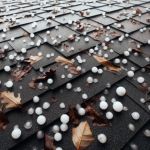 How to Spot Hail Damage on Your Roof | Quick Guide for Homeowners