
- 1 - Understanding Roof Replacement ROI
- 2 - Factors Affecting Roof Replacement ROI
- 3 - How to Estimate Roof Replacement ROI
- 4 - Maximizing Roof Replacement ROI
- 5 - When to Replace Your Roof for the Best ROI
1. Understanding Roof Replacement ROI
Roof replacement is a significant investment, and understanding its return on investment (ROI) is essential for homeowners looking to maximize the value of their property. ROI for roof replacement refers to the financial return you can expect from investing in a new roof, typically measured by how much the value of your home increases compared to the cost of replacing the roof.
While a roof replacement can be costly, it’s often necessary to maintain your home’s structural integrity, curb appeal, and overall value. In many cases, replacing an old or damaged roof can significantly enhance your home’s marketability, especially when it’s time to sell. However, calculating the ROI of roof replacement involves considering various factors, including the materials used, local housing market conditions, and the existing state of the roof.
2. Factors Affecting Roof Replacement ROI
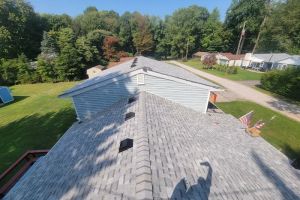
Several factors play a role in determining the ROI of roof replacement. Let’s explore some of the most important ones:
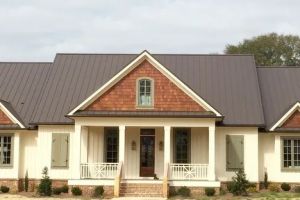
Upshaw General Contracting and Roofing
Warner RobinsHouston CountyGeorgia
631 S Houston Lake Rd, Warner Robins, GA 31088, USA
1. Type of Roofing Material
The type of roofing material you choose will have a direct impact on the cost of your roof replacement, as well as the potential ROI. Premium materials like slate or metal roofing may have a higher upfront cost but could increase your home’s value more than less expensive options like asphalt shingles. It's important to balance your budget with the long-term benefits of the material's durability and aesthetic appeal.
2. Condition of the Existing Roof
The condition of your current roof can affect how much ROI you get from a replacement. If your roof is severely damaged or nearing the end of its lifespan, replacing it can provide a significant boost to your home’s value. On the other hand, if your roof is still in relatively good condition, the ROI may be lower, as the perceived need for replacement is less urgent.
3. Local Housing Market Conditions
The local real estate market can also influence the ROI of roof replacement. In areas where homes are in high demand, a new roof can make your property more attractive to buyers and may even increase your selling price. In less competitive markets, however, the ROI might be lower, as buyers may not place as much value on a new roof.
4. Energy Efficiency and Home Comfort
Roof replacements that include energy-efficient materials, such as reflective coatings or insulation, can provide an added benefit by reducing energy costs. A more energy-efficient home is increasingly appealing to buyers, especially in regions with hot summers or harsh winters. This added feature can boost your home’s value and, in turn, its ROI.
3. How to Estimate Roof Replacement ROI
Estimating the ROI of roof replacement involves understanding both the costs and benefits. Here’s a simple way to estimate your ROI:
1. Calculate the Cost of Roof Replacement
The first step in estimating ROI is calculating the total cost of the roof replacement. This includes the cost of materials, labor, permits, and any additional services required. The total cost will vary depending on the size of your roof, the complexity of the installation, and the type of materials you choose.
2. Determine the Increase in Home Value
Once you have an estimated cost for the roof replacement, the next step is determining how much value the new roof will add to your home. According to national averages, homeowners can expect to recoup about 60-70% of the roof replacement cost when they sell their home. However, this percentage can vary based on the factors mentioned earlier, such as location, market conditions, and roof quality.
3. Calculate ROI
To calculate the ROI, simply divide the value increase by the cost of the roof replacement and multiply by 100. The formula looks like this:
ROI (%) = (Increase in Home Value / Cost of Roof Replacement) x 100
For example, if you invest $10,000 in a roof replacement and your home’s value increases by $7,000, the ROI would be 70%.
4. Maximizing Roof Replacement ROI
To maximize the ROI of your roof replacement, consider the following tips:
1. Choose Durable, High-Quality Materials
Investing in long-lasting roofing materials can help increase your home’s value in the long term. High-quality materials are more likely to improve the overall curb appeal of your home, which is crucial when selling. Additionally, these materials may require less maintenance over time, saving you money on repairs and replacements.
2. Proper Installation
Ensure the roof is installed by a licensed and experienced roofing contractor. Poor installation can lead to costly repairs down the line and may decrease your home’s value. A professional installation ensures that your roof is not only aesthetically appealing but also durable and functional.
3. Keep Up with Roof Maintenance
Regular roof maintenance can extend the lifespan of your roof and prevent costly repairs. By keeping your roof in excellent condition, you can maximize its return on investment and avoid needing to replace it prematurely.
5. When to Replace Your Roof for the Best ROI
The best time to replace your roof for optimal ROI depends on several factors, including the age of your roof, its condition, and the local housing market. Generally, it’s recommended to replace your roof when it is 20-25 years old, or earlier if it shows signs of damage, such as leaks, missing shingles, or significant wear. Replacing your roof before it becomes a major problem can prevent further damage and improve your ROI when selling your home.
At Total Roofing Hub, we provide expert advice and roofing solutions to help you achieve the best ROI on your roof replacement. Whether you’re looking for high-quality materials or professional installation, we’re here to assist you in making the best decision for your home.
 Advanced Property Services5.0 (1 reviews)
 Romeros Quality Construction Llc5.0 (22 reviews)
 Reliable Roofing5.0 (5 reviews)
 Hawkins Roofing4.0 (1 reviews)
 RCUSA - Roofing & Construction4.0 (45 reviews)
 Morris County Roofing and Siding, LLC5.0 (49 reviews)
 How Much Does a New Roof Cost in 2025?
 Siding Patterns & Layout Trends That Resonate with Buyers
 Siding Consumer Trends: What Homeowners Are Searching in 2025
 What to Expect During a Roof Inspection: A Homeowner's Guide
 Siding Repair After Fire or Smoke Damage
 The Complete Guide to Metal Roofing Systems for Long-lasting Protection